

When God Interrupts Your Plans
Solemnity of the Annunciation—The moment everything quietly changes
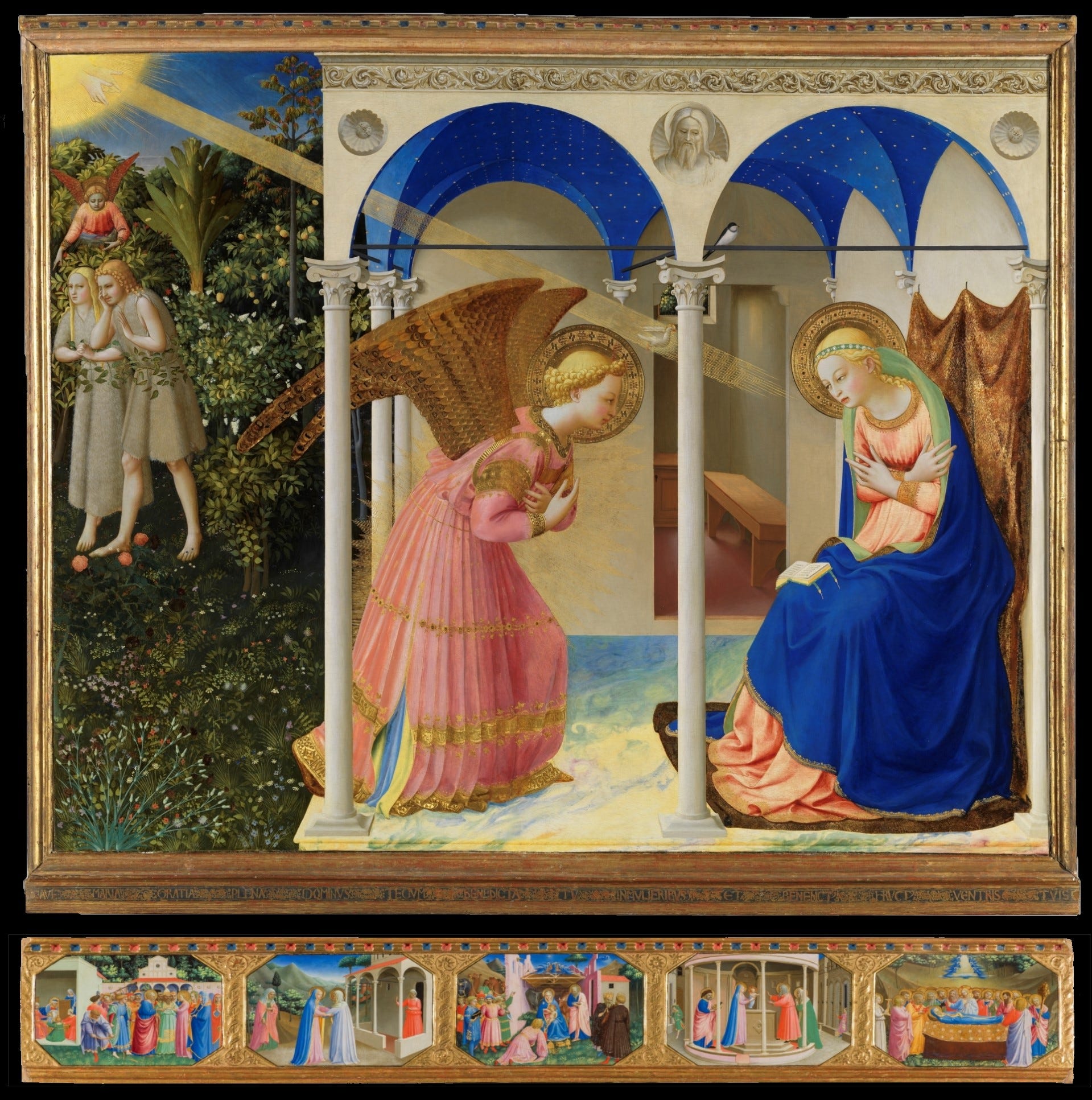
It usually happens in a small, almost forgettable moment.
A conversation after Mass. A conversation before rehearsal. A passing comment from a pastor, a parent, a volunteer.
Something is asked of you—and your first instinct is not resistance, but hesitation.
Not because it is unreasonable.
Because you can already sense what it will cost.
More time. More responsibility. More exposure. More uncertainty.
You nod politely. You say you will think about it.
And then, internally, the negotiation begins.
The Annunciation does not unfold in dramatic public space.
There is no crowd. No liturgy. No visible structure.
A young woman, the Blessed Virgin Mary, alone.
A word spoken into her life that does not consult her plans, but is her destiny by assent.
“Behold, you will conceive…”
The tradition has always lingered here, not because the moment is sentimental, but because it is structurally decisive. Salvation does not begin with spectacle. It begins with consent.
And not an abstract consent.
A concrete, costly, irreversible yes. The blessed fiat.
Mary is not told how this will unfold in detail. She is given a promise—and a disruption. The overshadowing of the Spirit does not remove uncertainty; it sanctifies it.
This is where the reading from Isaiah finds its fulfillment. The sign given to Ahaz was not merely that God would act, but that God would act within human history, through a human life that would have to receive Him.
The Fathers of the Church saw this moment with striking clarity. Where Eve grasped, Mary receives. Where one acted out of distrust, the other responds in faith.
It is not accidental that this happens through listening.
“Let it be done to me according to your word.”
The Word enters the world through a human being who listens first.
For those entrusted with the liturgy, this changes how we understand our work.
We often approach ministry as if it were primarily about execution—getting the music right, organizing the rehearsal, preparing the next season.
But the liturgy is not first something we produce. It is something we receive.
And that reception requires interior formation.
Too often, music programs operate on momentum rather than discernment. Repertoire is chosen quickly. Decisions are made reactively. The deeper question—what is God asking of this parish, here, now—is rarely given time or structure.
The Annunciation suggests a different posture.
Listening precedes action.
And listening is not passive. It is disciplined. It requires silence, memory, and a framework that can recognize the voice of God when it interrupts familiar patterns.
This is why the Church has always insisted on formation that is sustained, not occasional. Documents like Musicam Sacram assume a minister who is not merely capable, but formed—someone whose instincts have been shaped over time by the Church’s mind.
Because without that formation, interruption feels like inconvenience.
With it, interruption can be recognized as vocation.
And this has practical consequences.
It affects how you plan your music year—not as a series of isolated Sundays, but as a coherent act of listening across time.
It affects how you rehearse—not just correcting notes, but forming attention.
It affects how you lead—less as a manager of outcomes, more as one who helps others hear.
Mary’s yes did not resolve everything.
It initiated everything.
The liturgy works the same way.
There are moments when something is asked of a parish, or a minister, that feels disproportionate to what is currently possible. The instinct is to delay, to optimize, to wait until conditions improve.
But the Annunciation does not happen under optimal conditions.
It happens when a person is ready to listen—and willing to respond.
If there is a lack in our parishes, it is rarely generosity.
It is the absence of structures that help people recognize and sustain that yes over time.
Without that, even sincere beginnings fade.
With it, even small acts of consent become the place where God builds something that did not exist before.
Ars Musica Sacra is a reader-supported publication. To receive new posts and support our work, consider becoming a free or paid subscriber.
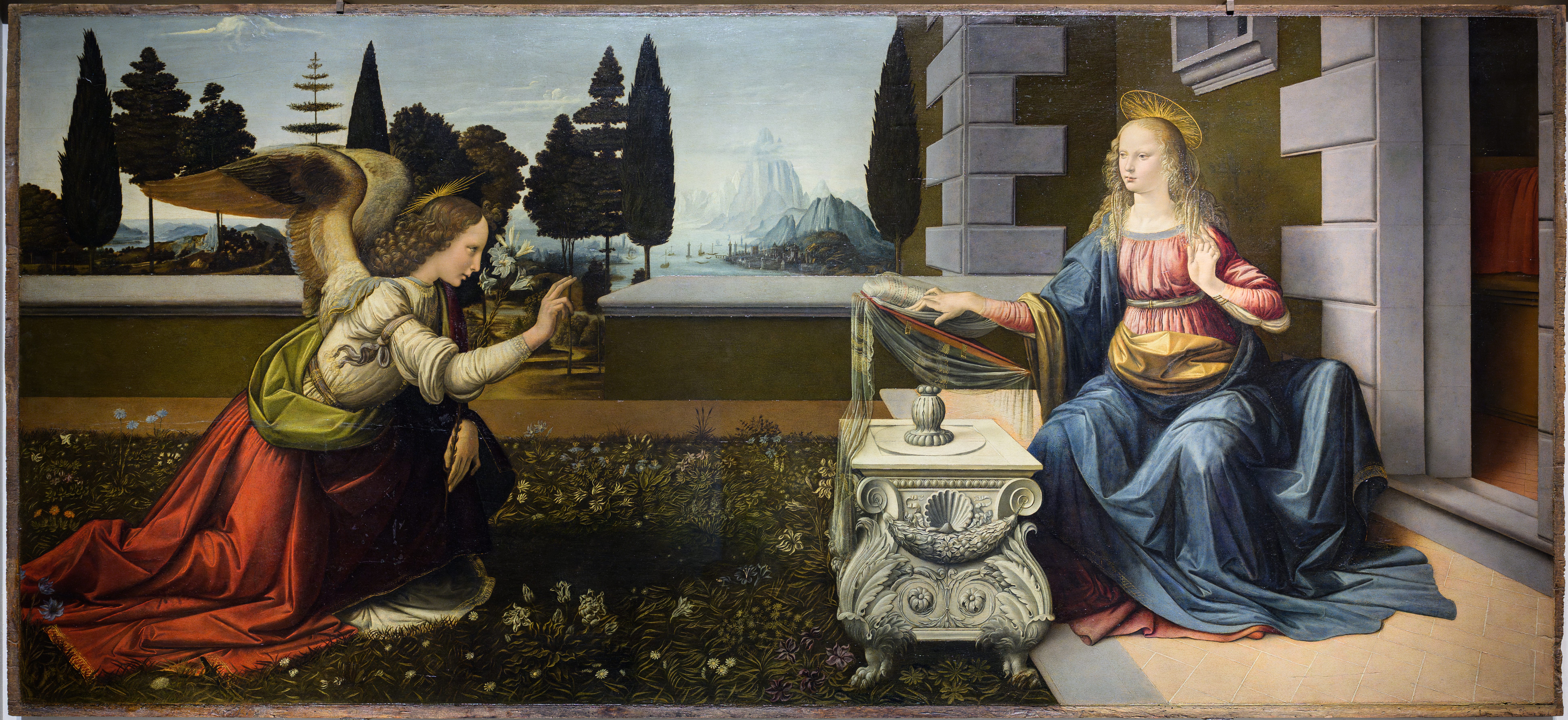
Feast Day Spotlight—Solemnity of the Annunciation—The Incarnation Begins in Hiddenness
Celebrated exactly nine months before Christmas, this solemnity marks not only a message, but a moment of conception—the Word made flesh in real time.
In the early Church, this day was often regarded as more theologically decisive than Christmas itself. The Incarnation does not begin in Bethlehem, but in Nazareth, in the silence of a single act of faith.
A profound insight comes from St. Athanasius of Alexandria, who saw in the Incarnation the restoration of all creation:
“He became man so that we might become god.”
The Annunciation is where that exchange begins—not abstractly, but concretely, in the body and consent of Mary.
Share these Ars Musica Sacra insights with others for the celebration of this liturgy!
Inspiration from across the internet.
→ I am not sure if I am the only one, but certainly, no one taught me to tie a tie in this fashion!
My music of the week.
Ars Musica Sacra is supported by readers like you. Join our community and engage with other readers by sharing your thoughts and contributing to community discussions!

Have thoughts on what we shared here? Or maybe questions on some liturgy or theology points? Leave a comment and engage with other readers.