Twenty-fifth Sunday in Ordinary Time
You cannot serve both God and mammon, but you can sing your way into fidelity.
There is something haunting about Amos’s voice cutting across the centuries,
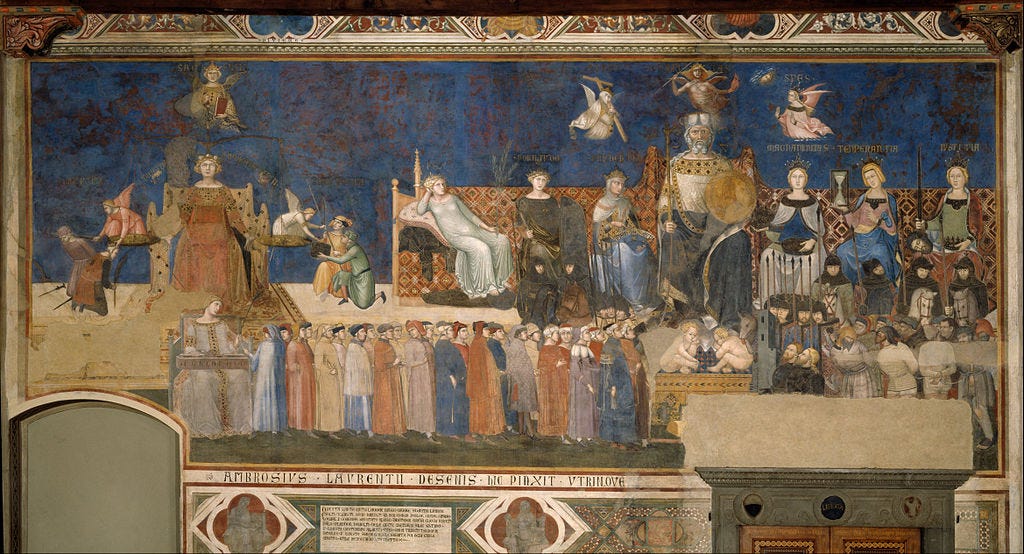
not because his words belong to a different time but because they could have been written yesterday—complaints of dishonest scales, of the poor trampled into the dust, of those who treat worship as an inconvenience, impatiently waiting for the Sabbath to end so they can return to their business of manipulation and greed. We want to distance ourselves from such indictments, but if we listen carefully, we realize that Amos is describing not simply the merchants of his age but the perennial temptation of every human heart: to measure profit before mercy, to treat prayer as an interruption rather than the axis of existence, to imagine that what matters most in life can be weighed out on scales that tilt in our favor.
The psalmist sings a different song, one that sees reality not through the lens of scarcity but of divine abundance: the Lord who raises the poor from the dust, who seats the lowly with princes, who stoops down from eternity to lift the forgotten into dignity. Here is a truth the world rarely believes—that worth is not accumulated but bestowed, not bought with silver but given by God, who became poor for our sake so that we might share in His riches. St. Paul, writing to Timothy, presses this home with urgency: that prayer is not a private refuge but a universal work, that intercession must embrace kings and rulers, enemies and strangers, because God “wills everyone to be saved and to come to knowledge of the truth.” In this way, prayer resists the world’s scales—prayer is not transactional but gratuitous, an offering of thanksgiving that refuses to calculate usefulness or profit.
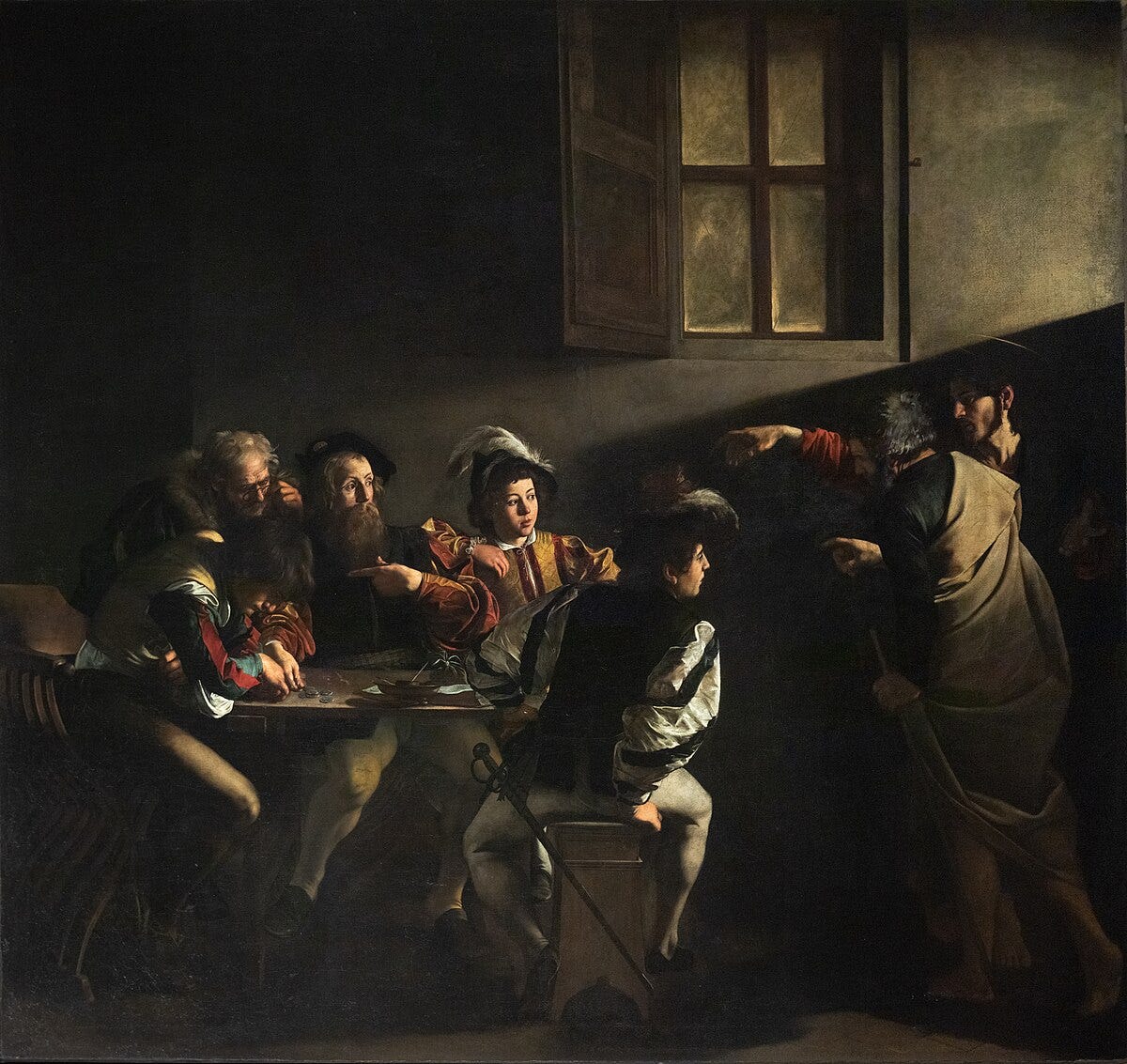
The Gospel, as it often does, unsettles us even further. Jesus tells the story of a dishonest steward, one who squanders, manipulates, cheats, and yet is strangely praised—not for his injustice but for his prudence, for at least recognizing the urgency of his situation and acting decisively. The point is not that dishonesty is commendable, but that the “children of light” often fail to act with the same clarity of purpose as those who are driven by worldly ambition. Jesus’ warning about serving two masters is not a metaphor but a dividing line: our hearts cannot hold both God and mammon, cannot be ruled by both eternity and expedience. The line slices uncomfortably through every minister, priest, and musician alike, because we know how easily even sacred work can be twisted into self-promotion, or how subtly the applause of a congregation can replace the quiet fidelity of service.
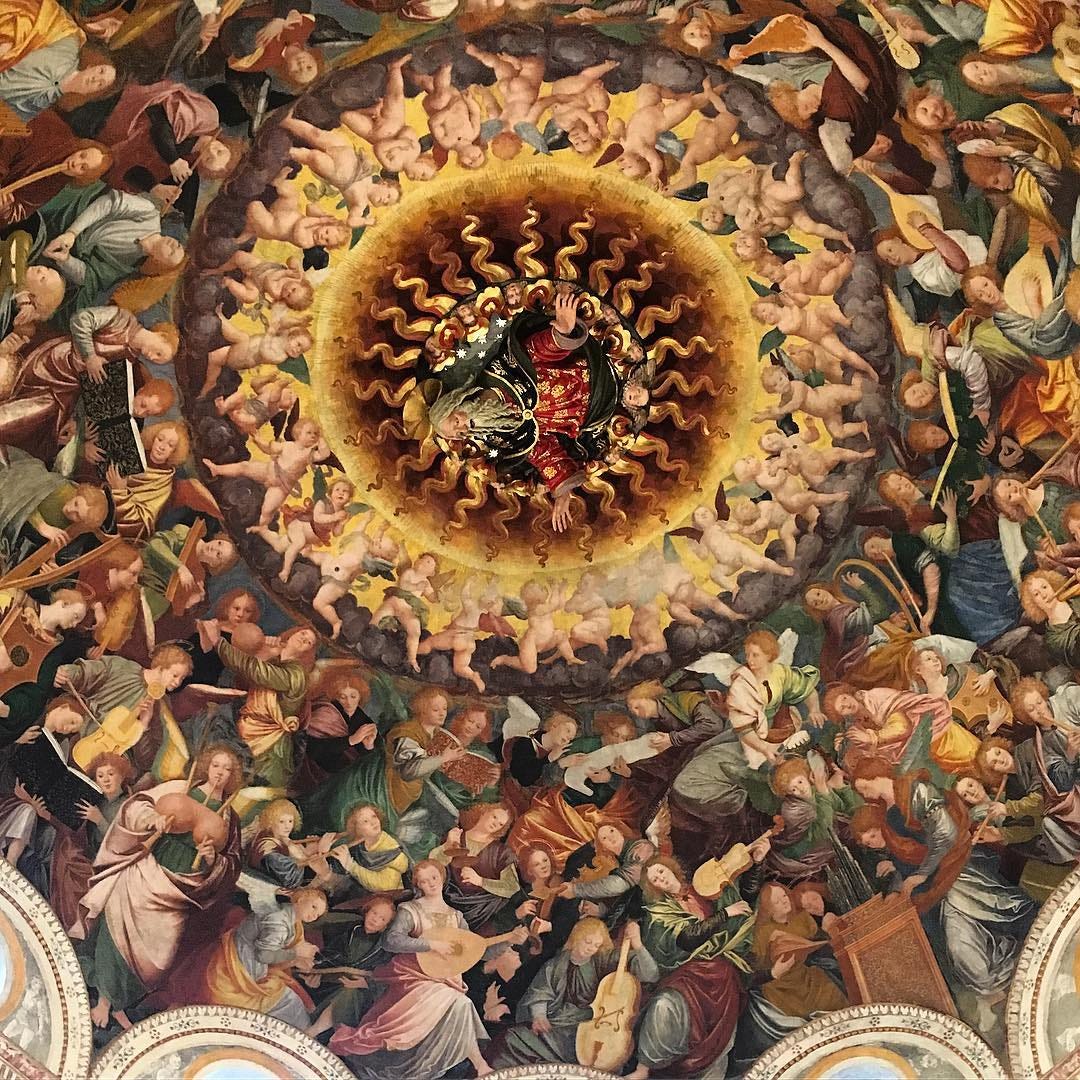
It is here that sacred music takes on a particular urgency, because it too is a test of stewardship. St. Basil the Great, reflecting on the psalms, once wrote that music is “the work of peace,” softening the soul so that it might be receptive to God. But he also warned that music can be corrupted, turned inward, made to serve vanity instead of praise. Musicam Sacram, the postconciliar instruction on sacred music, echoes the same concern: the role of music in the Liturgy is not to entertain but to elevate, not to fill silence with noise but to direct silence toward God. The musician, like the steward, is entrusted with something not his own—the Word of God clothed in melody, the praise of the Church carried on fragile human voices, the inheritance of centuries of chant and polyphony and prayer.
What would it mean, then, to be prudent stewards of sound? It might mean examining our own scales: are we tempted to measure our ministry by external recognition instead of fidelity to the Liturgy? Do we treat the hours of rehearsal, the slow work of training cantors, the unseen effort of preparation, as drudgery to be endured, or as an offering lifted up like incense before God? Do we use the language of music to “buy the lowly for silver,” bending to trends or applause, or do we allow our voices to side with the psalmist, lifting up the poor in hope?
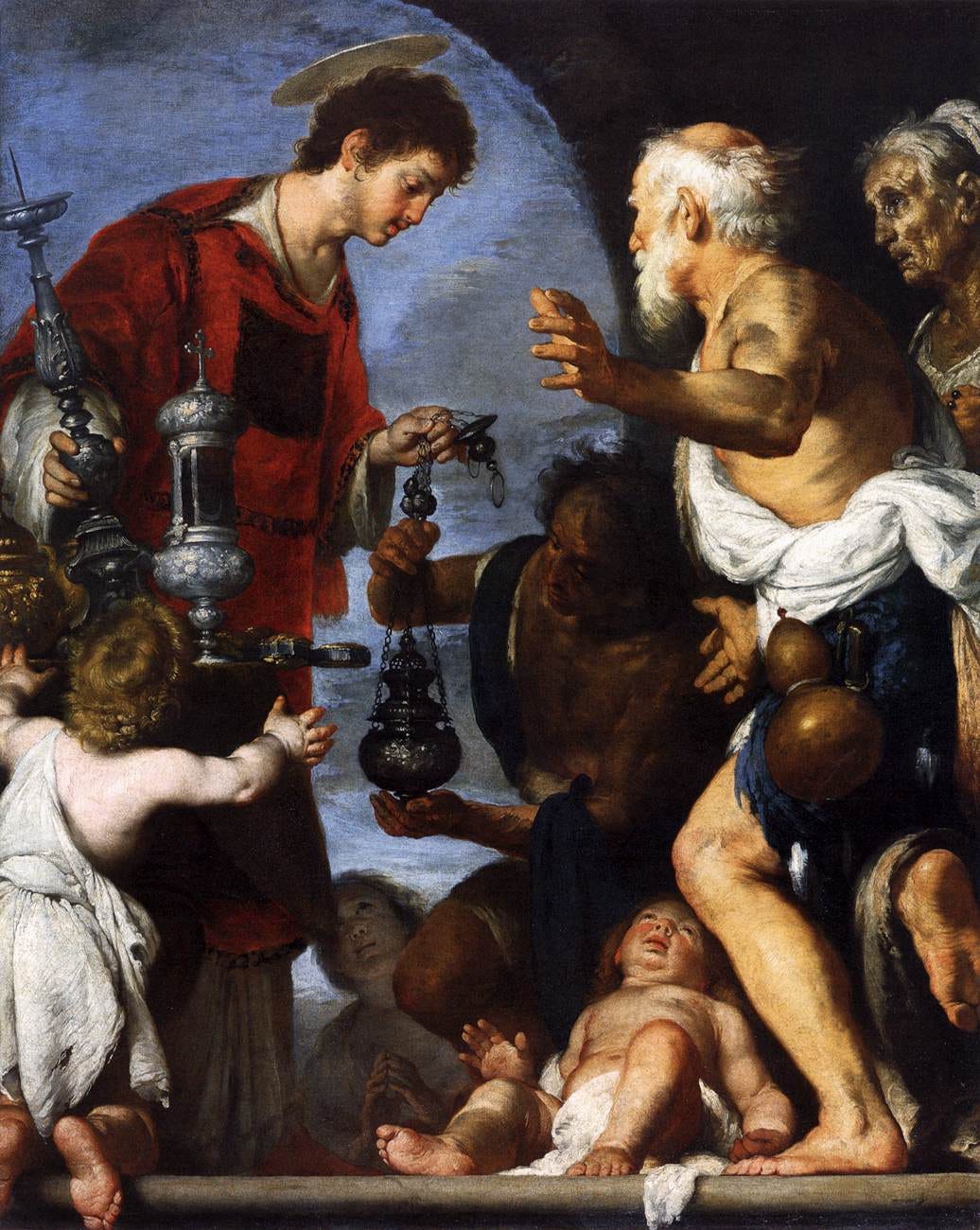
The saints remind us that stewardship of the Gospel always requires both honesty and imagination. St. Lawrence, the deacon of Rome, famously presented the poor of the city as the true treasure of the Church, defying the empire’s corruption with a gesture at once subversive and holy. In the same spirit, sacred musicians are called to hold before the Church not a performance but a participation in the heavenly Liturgy, a reminder that the true wealth of the Church is not found in its buildings or budgets but in the voices of the faithful raised in praise.
To sing in this way is to choose one master over another. It is to resist the temptation to manipulate sound for gain or self-satisfaction and instead to let music be what the Fathers called it—ars divina, a divine art, a stewarded gift that prepares us for eternity. To lead a psalm, to chant an antiphon, to lift holy hands with Paul in prayer—these are not small matters but the very things in which trustworthiness is tested. And if we are faithful in what is small, Jesus assures us, we will be entrusted with the true wealth, the melody of the new creation, the harmony of a kingdom where every false scale is shattered and every poor one is raised from the dust to sing.
Perhaps this is the invitation of this Sunday: not merely to recoil at Amos’s denunciation or to puzzle over the parable of the steward, but to ask ourselves whether our music, our prayer, our ministry, reveals which master we serve. And if the answer is God, then let us not be hesitant or half-hearted, but decisive and creative, like the steward who at least knew urgency—because in the end, only one song will remain, and it will not be mammon’s.
Inspiration from across the internet.
→ if you like cooking like me, then you will find this video interesting!
→ many people have not been hearing the news about what is going on in Nepal–amazingly, this guy got stuck in the middle of it
My music of the week.
1) a version of the Stabat Mater that many in the US are familiar with
2) and the traditional sequence of the Stabat Mater
General Information
Color of Vestments - Green
Song Recommendations
Entrance - We Gather Together (KREMSER) [sheet music] [audio]
Kyrie - Missa Spei
Gloria - Missa Spei
Responsorial Psalm - Psalm 113:1-2, 4-6, 7-8
Gospel Acclamation - Cf. 2 Corinthians 8:9
Offertory - I Want to Walk as a Child of the Light (K. Thomerson) [sheet music] [audio]
Sanctus - Missa Spei
Mysterium Fidei - Missa Spei
Amen - Missa Spei
Agnus Dei - Missa Spei
Communion - I Received the Living God (LIVING GOD) [sheet music] [audio]
Meditation - No Servant Can Serve Two Masters (Madrigal)
Recessional - The Spirit Send Us Forth (AZMON) [sheet music] [audio]
What would you like to see?
Send us a message for what you would like to see added to this newsletter! Some thoughts that we had:
weekly recorded music
liturgical fun facts
some easy downloadable sheet music