

Thirsting, and Learning to Trust the Well
Third Sunday of Lent—From Massah to the well at Sychar
There is a moment every pastor and music director knows.
You introduce a more substantial Psalm setting. You restore a period of silence after Communion. You choose a text that is scriptural but unfamiliar. And afterward someone says, kindly but firmly, “That just didn’t feel like us.”
Beneath the comment is something deeper than preference. It is a sort of thirst mixed with suspicion. A community that wants to be nourished, but is unsure whether the well will actually give water.
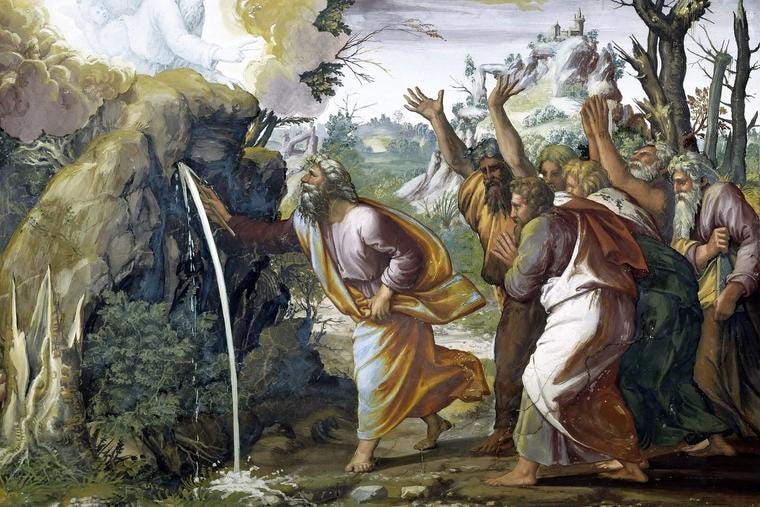
The Israelites in Exodus are more than just wicked caricatures. They are thirsty. The desert is real. Their question—“Is the LORD in our midst or not?”—is not an abstraction, but survival anxiety. They have seen the Red Sea parted, yet one stretch of dryness reopens the doubt. This is human folly.
Massah and Meribah become names for a spiritual reflex: testing God because the present moment feels empty.
Psalm 95 answers that reflex not with argument, but with posture. “Come, let us bow down in worship… Harden not your hearts.” The hardness is not intellectual; it is liturgical. A refusal to kneel. A refusal to trust that the Rock of salvation is still rock when water is not yet visible.
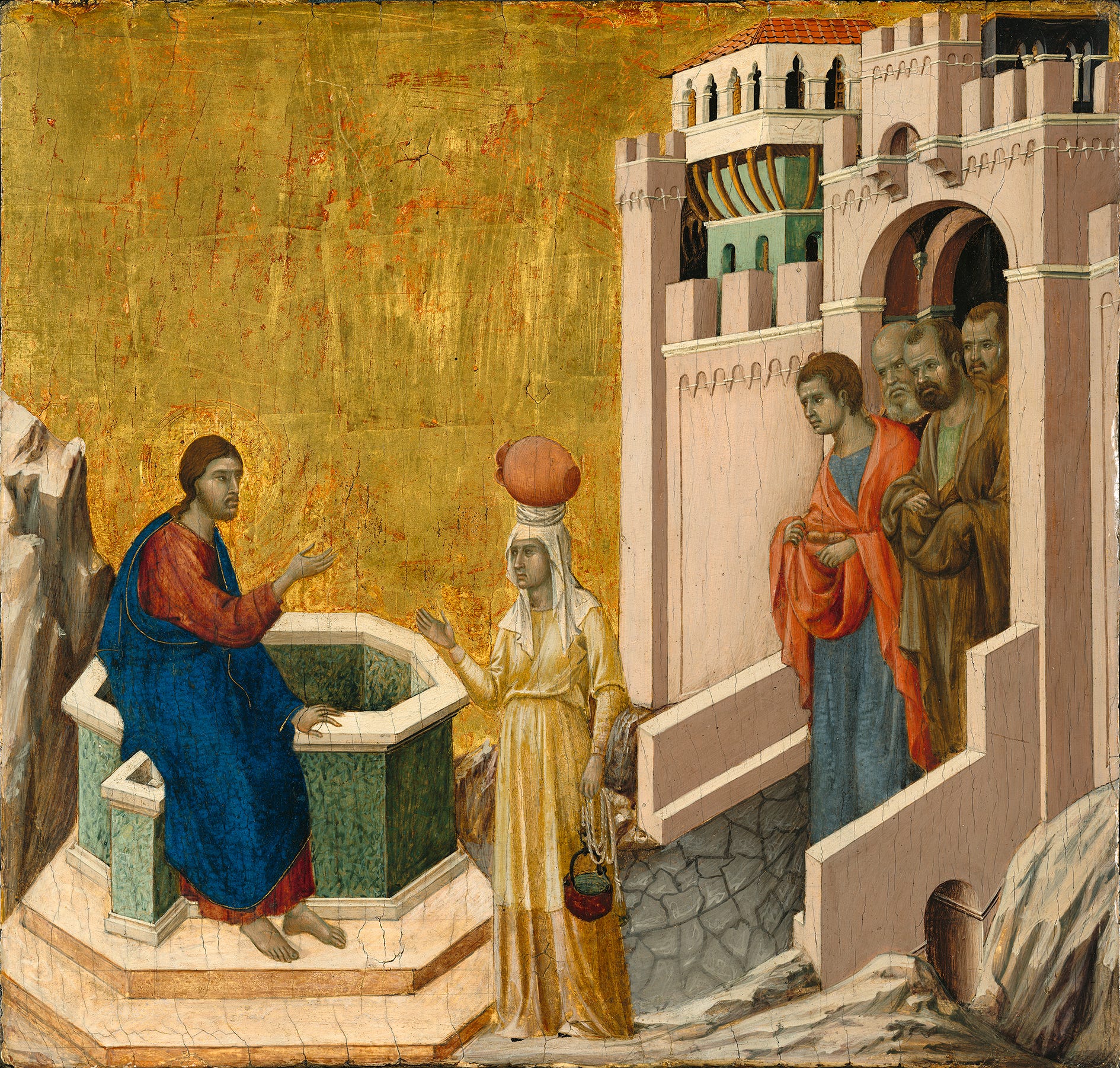
Then the Gospel takes us to another well at noon.
Jesus is tired. The woman is isolated. The conversation begins with a simple request: “Give me a drink.” But it becomes a revelation about worship itself. “The hour is coming… when true worshipers will worship the Father in Spirit and truth.”
Notice the movement. Thirst. Exposure. Truth. Worship.
The woman’s history is not bypassed; it is named. Five husbands. A present arrangement that cannot satisfy. Yet Christ does not humiliate her. He reveals her thirst more deeply than she has dared to articulate it. And when she encounters that truth, she leaves her jar behind.
St. Cyril of Jerusalem, instructing catechumens preparing for Baptism, spoke of this living water as nothing less than participation in the Spirit poured out from Christ’s pierced side. What was struck at Horeb becomes, in Christ, a heart opened. Paul says the same in Romans: “The love of God has been poured into our hearts through the Holy Spirit.” The Rock has been struck. The water flows.
Here is the uncomfortable implication for those entrusted with the Church’s liturgy:
Many of our communities are not suffering from lack of activity. They are suffering from shallow wells.
We fill space. We manage transitions. We smooth over discomfort. But the deeper thirst—the question “Is the LORD in our midst or not?”—remains largely unaddressed.
The Samaritan woman tries to redirect the conversation to worship geography: “Our ancestors worshiped on this mountain…” It is safer to argue about place and style than to confront desire. Jesus does not dismiss the question of worship; but rather, he radicalizes it. True worship is not primarily about location, but about alignment—Spirit and truth.
This has consequences for how we plan and lead.
First, music and ritual cannot be designed merely to soothe immediate thirst. If “everyone who drinks this water will be thirsty again,” then liturgy that operates only at the level of taste will require constant novelty. It becomes Egypt in another form—predictable, controllable, but ultimately insufficient.
Second, truth must be audible. Texts chosen for Mass must actually say something. They must reveal the heart, not obscure it. This means patience with the Psalms. It means forming a parish to sing words that are not instantly comfortable. Psalm 95’s warning—“Harden not your hearts”—belongs in our mouths regularly, not occasionally.
Third, worship in Spirit requires interior participation that cannot be rushed. Silence is not a gap in the program; it is space for the water to sink in. The General Instruction of the Roman Missal speaks of sacred silence as part of the celebration itself, not an optional add-on. Without it, the well is noisy but shallow.
Formation here is cumulative. Israel’s failure at Massah was not a single bad afternoon; it was a pattern of forgetfulness. The remedy was not a motivational speech but forty years of re-education in trust. Parishes, too, need more than a workshop or a new song list. They need continuity—a stable repertoire, consistent ritual gestures, preaching and music that interpret each other across seasons.
The woman leaves her jar because she has encountered Someone greater than Jacob’s well. The townspeople eventually say, “We have heard for ourselves.” That is the goal of liturgical ministry: not admiration for our execution, but direct encounter with Christ.
You cannot manufacture living water. But you can remove the obstacles that keep people from drinking.
And you can refuse to harden your own heart when the desert feels long.
Ars Musica Sacra is a reader-supported publication. To receive new posts and support our work, consider becoming a free or paid subscriber.
Feast Day Spotlight—Third Sunday of Lent
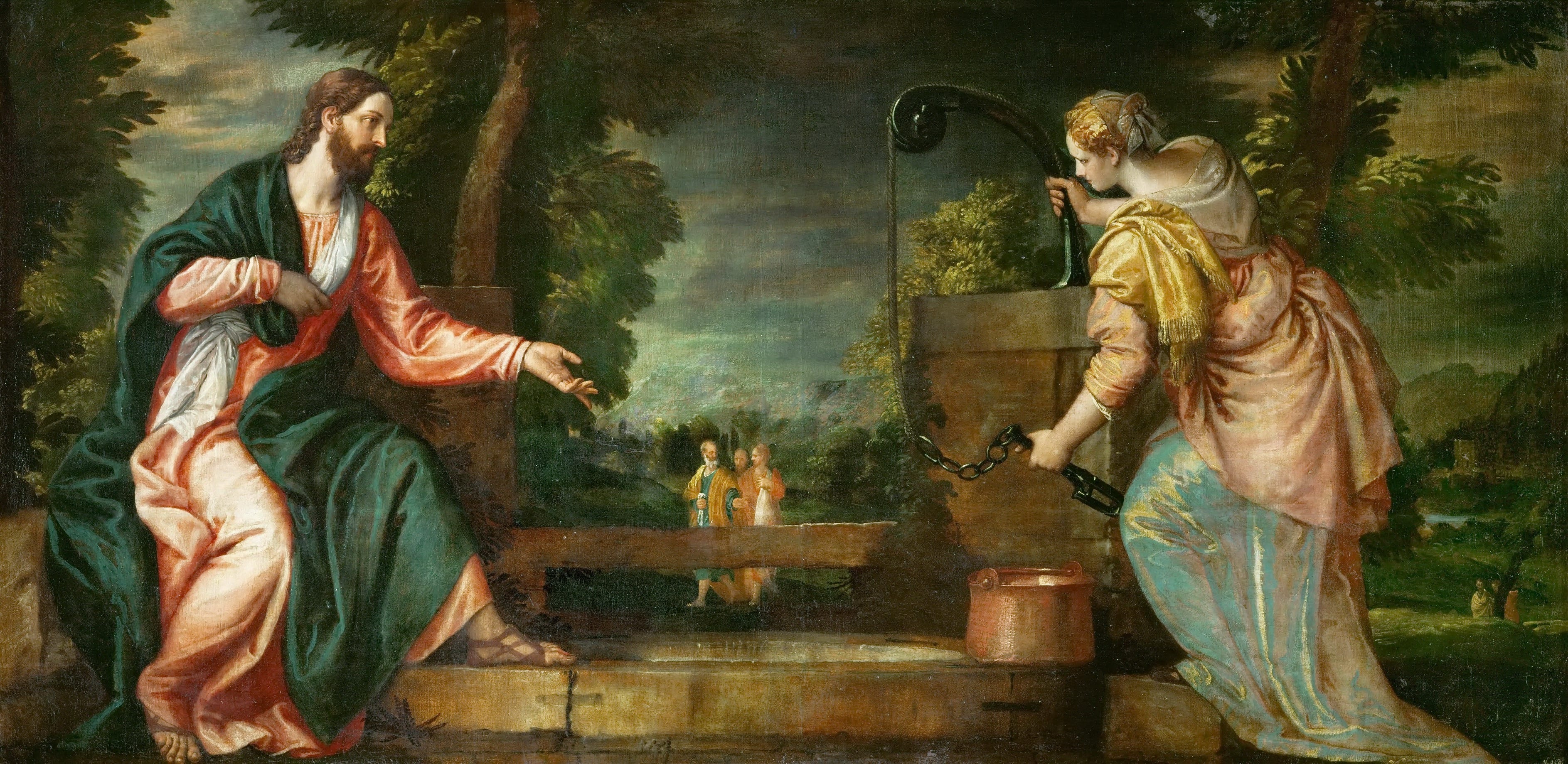
In the ancient Church, this Sunday was a pivotal moment in the scrutiny rites for catechumens. The Gospel of the Samaritan woman functioned as a revelation of Baptism’s meaning: not mere moral reform, but a spring “welling up to eternal life.”
St. Cyril of Jerusalem told those preparing for the font:
“This water is not simple water, but the gift of Christ and the grace of the Holy Spirit.”
Historically, the pairing of Exodus 17 with John 4 underscores a bold typology: the rock struck by Moses prefigures Christ struck on the Cross. What flowed in the desert sustains biological life. What flows from Christ sustains eternal life. Lent asks whether we are still testing the Lord—or finally trusting the well.
Share these Ars Musica Sacra insights with others for the celebration of this liturgy!
Inspiration from across the internet.
My music of the week.
Ars Musica Sacra is supported by readers like you. Join our community and engage with other readers by sharing your thoughts and contributing to community discussions!

Have thoughts on what we shared here? Or maybe questions on some liturgy or theology points? Leave a comment and engage with other readers.