Third Sunday in Ordinary Time
When the Kingdom Chooses the Margins—and Calls Us to Follow
There is something quietly decisive about the way Christ chooses Galilee—
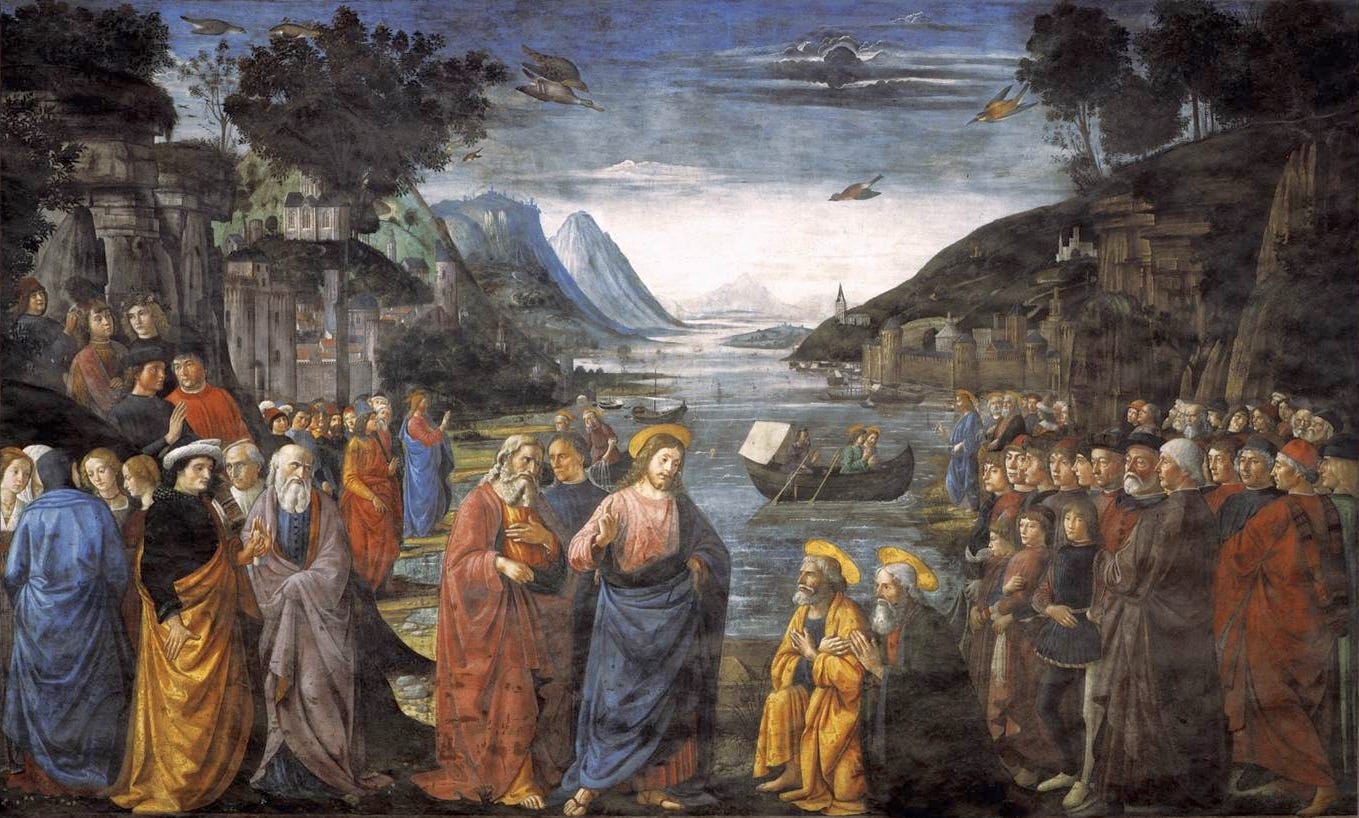
not Jerusalem, not the Temple precincts, not the centers of religious certainty, but a borderland shaped by trade routes, foreign tongues, political tension, and ordinary labor, a place Isaiah names without sentiment as “the District of the Gentiles,” a land first humiliated and only later glorified. The Gospel is careful to tell us that Jesus does not stumble into this region by accident; He goes there deliberately, because light does not wait for darkness to become worthy before it shines. It enters precisely where gloom has settled in, where people have learned to live with diminished expectations, and where faith has been reduced to endurance rather than hope.
Isaiah’s prophecy is not merely poetic consolation but theological diagnosis: darkness is not dispelled by force, but by presence. The people who walked in darkness did not climb their way toward illumination; they were found. Joy arrives not as relief from suffering alone, but as the breaking of a yoke, the shattering of an imposed weight that had shaped the body and the imagination for too long. The joy Isaiah describes is agricultural, embodied, communal—harvest joy, shared joy, the kind that spills outward because it cannot be contained privately. This matters for the Church’s prayer, because liturgy is never meant to be a private coping mechanism, but the public reorientation of a people who are learning again how to stand upright before God.
The psalm places words in our mouths that teach us how to live inside that reorientation. “The Lord is my light and my salvation” is not triumphal bravado; it is an act of trained trust spoken in the presence of real fear. The psalmist does not deny danger, but he refuses to grant it interpretive authority. Instead, he asks for one thing—not success, not resolution, not control—but to dwell in the house of the Lord and to gaze upon His beauty. This is the heart of worship: not distraction from the world’s darkness, but sustained attention to the One who gives it no final claim.
Paul’s letter to the Corinthians exposes how easily even communities baptized into light can fracture themselves by clinging to secondary identities. His rebuke is sharp precisely because the danger is subtle: eloquence without the Cross, belonging without communion, preference masquerading as principle. Christ, Paul insists, is not divided—and the Church empties the Cross of its power whenever it allows personality, platform, or style to become the organizing center of its life. For those entrusted with preaching and music alike, this is a sober warning. The Gospel is not advanced by sharper branding or better rhetoric, but by fidelity to the scandalous simplicity of Christ crucified and proclaimed.
Matthew’s Gospel then shows us what that proclamation looks like in motion. Jesus announces the Kingdom with a single word—Repent—and then immediately embodies that call by summoning ordinary men out of ordinary labor. There is no gradual negotiation, no explanatory discourse, no guarantee of stability. Nets are left behind. Boats are abandoned. Even family structures are momentarily disrupted, not because they are unimportant, but because the Kingdom reorders every loyalty around a new center. Light does not merely illuminate; it calls, and that call demands movement.
This is where sacred music quietly reveals its true nature. It is not decoration added once decisions have been made; it is a formative practice that teaches the Church how to leave its nets behind together. When music is shaped by the liturgy rather than imposed upon it, it becomes a shared act of repentance in the biblical sense—a turning, a reorientation of breath, body, and attention toward the Kingdom at hand. St. Gregory the Great understood this when he insisted that chant must serve the clarity of the Word, not obscure it, because music that draws attention to itself fractures what the Gospel seeks to unify.
The Church’s tradition has consistently affirmed this ordering. Musicam Sacram reminds us that sacred music is ordered toward the full, conscious, and active participation of the faithful—not as performers or consumers, but as a people being formed by what they sing. Participation here is not noise but alignment, not volume but consent. When the Church sings Psalm 27, she is not offering commentary on light; she is choosing to dwell within it, training herself to wait with courage rather than retreat into fear.
So perhaps the invitation of this Sunday is deceptively simple and quietly demanding: to allow Christ to choose the margins again, to let the Gospel disrupt our habits of division, and to trust that light still enters through ordinary voices raised in obedience. For priests and music ministers especially, this may mean resisting the temptation to solve darkness through cleverness, and instead committing anew to the slow, patient work of forming a people who know how to listen, how to follow, and how to leave behind what no longer serves the Kingdom.
Because when the Church sings from Galilee—rooted in Scripture, ordered by tradition, and oriented toward communion—she does not merely describe the light. She becomes a place where it can be seen.
Feast Day Spotlight
Color of Vestments
GreenLiturgical Note
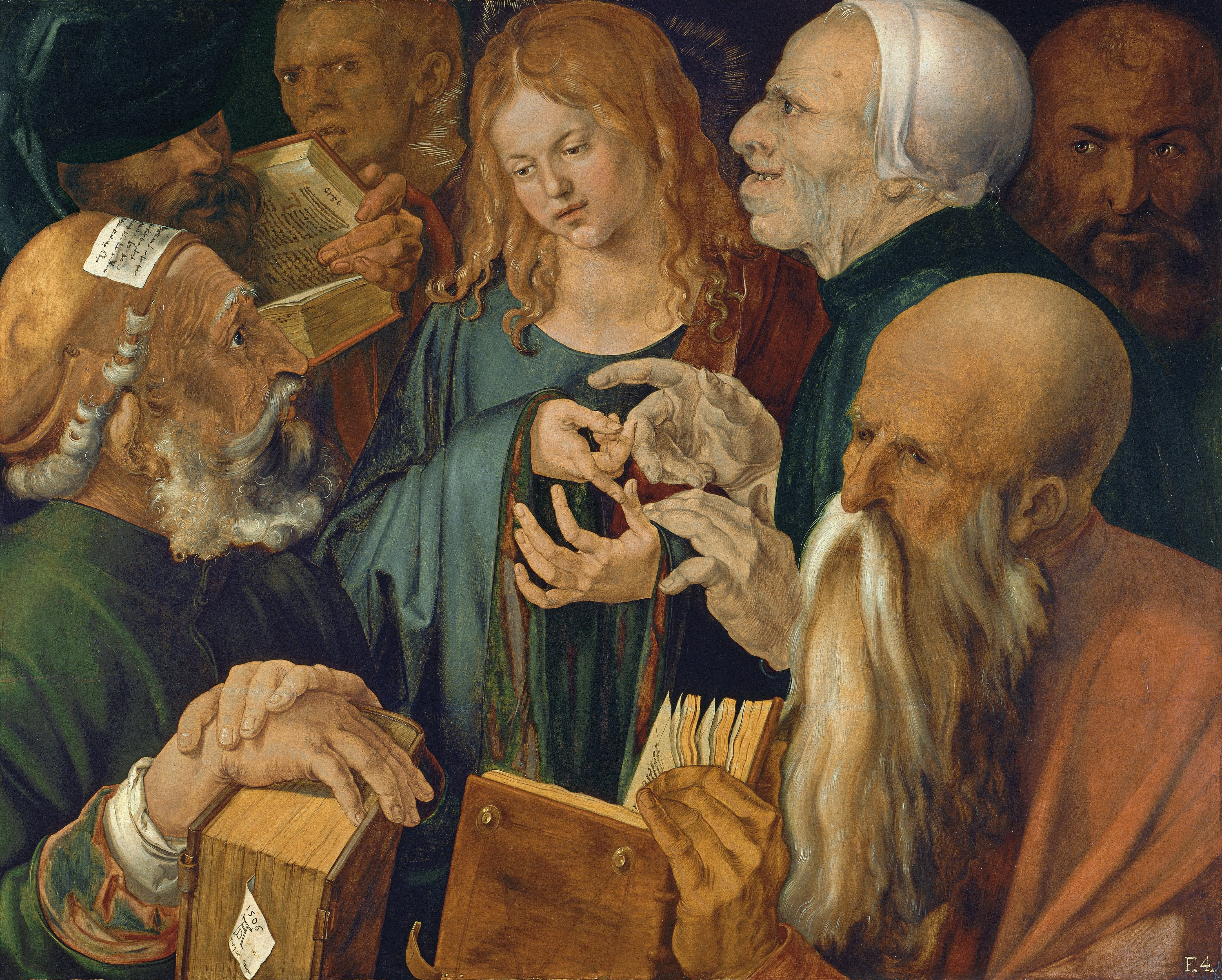
Instituted by Pope Francis in Aperuit Illis (2019), the Third Sunday in Ordinary Time is dedicated to renewed devotion to Sacred Scripture, emphasizing that the Word of God is not merely read but proclaimed, heard, and lived within the assembly.Historical / Theological Insight
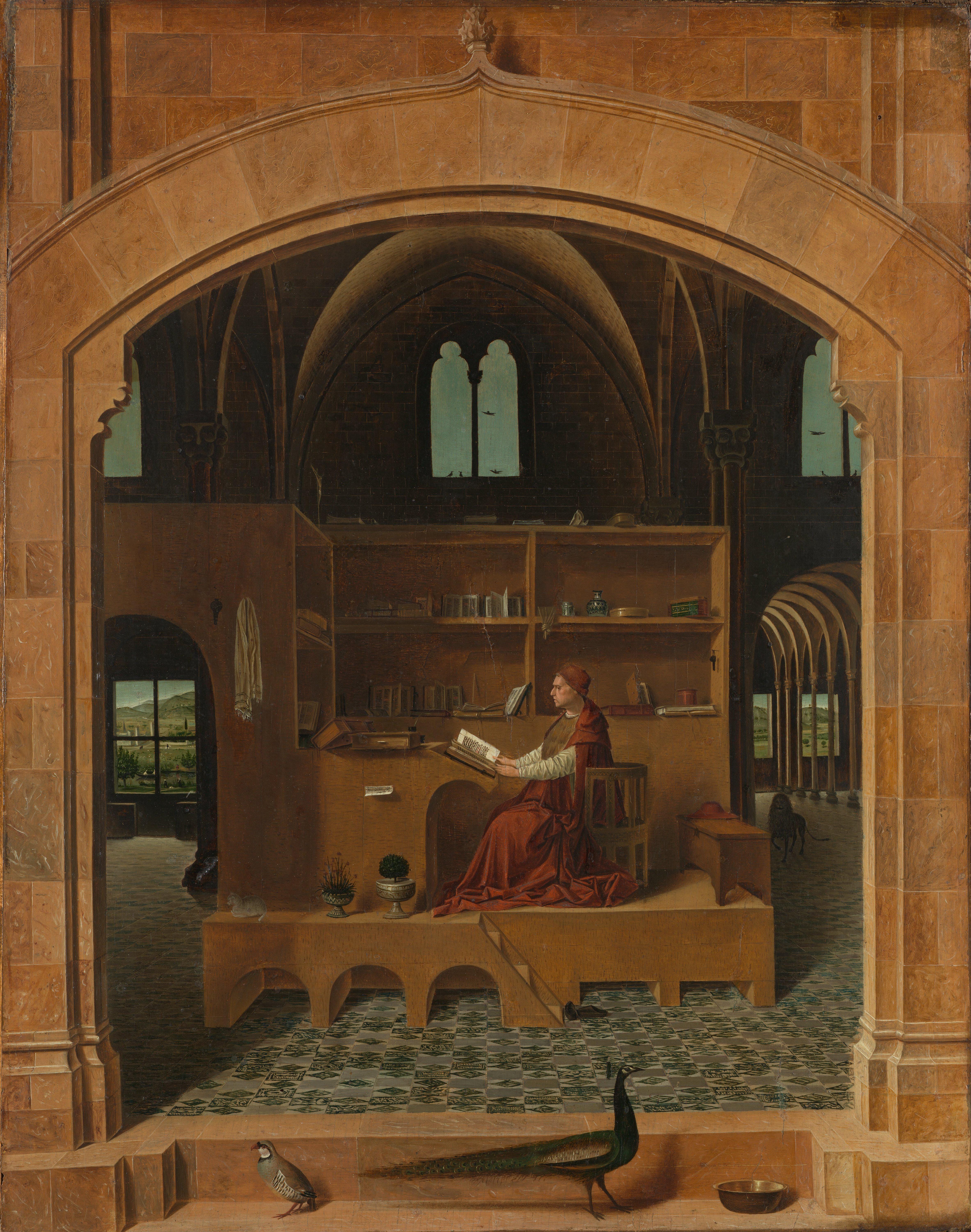
Historically, this aligns with the Church’s ancient understanding that Christ’s public ministry begins not with abstraction but with proclamation—Repent, for the Kingdom of Heaven is at hand. St. Jerome famously warned that “ignorance of Scripture is ignorance of Christ,” a truth that continues to challenge pastors and musicians alike to ensure that the Word is not eclipsed by commentary or performance.Why This Matters for Sacred Music
The General Instruction of the Roman Missal reinforces this priority by insisting that liturgical proclamation demands clarity, reverence, and intelligibility, so that Christ Himself may speak to His people. On this Sunday especially, the Church remembers that all ministry—musical, homiletic, or pastoral—exists to serve that encounter.
Inspiration from across the internet.
→ a fun little recap on this stop of the organ that apparently was quite accurate for the time!
→ a demonstration how not all things need to be nor should be sung in the same fashion
My music of the week.