

The Temptation to Redefine Obedience
First Sunday of Lent—From the Garden to the Desert
There is a familiar pastoral moment at the beginning of Lent:
planning begins with good intentions and quiet anxiety. Schedules are adjusted. Music lists are trimmed. Repertoire is simplified, but not too much. Someone asks whether the people will “feel Lent enough,” and someone else worries they will feel it too much. Beneath the practical questions sits a deeper unease—how easily discipline can slip into control, and how easily freedom can be mistaken for choice without cost.
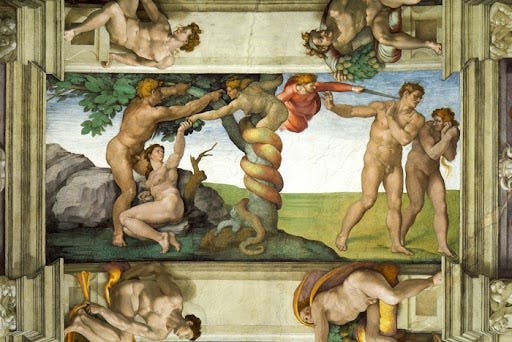
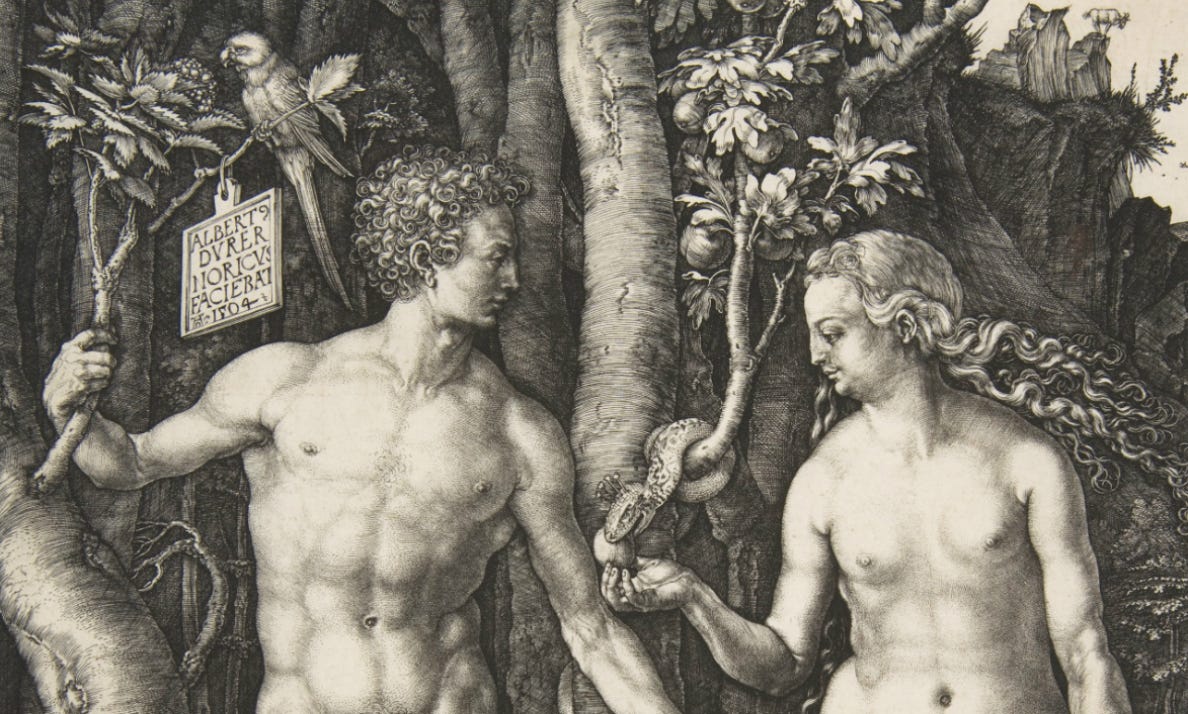
The first reading returns us to the garden, where the original temptation is not crude rebellion but reinterpretation. The serpent does not deny God outright; he reframes Him. The command is made to sound arbitrary. The limit is presented as deprivation. The tree is described as reasonable, attractive, even wise. What is lost is not information, but trust. Humanity reaches not because it is starving, but because it no longer believes obedience is life-giving.
Paul’s typology in Romans insists that this moment is not sealed in the past. Adam is not simply the first sinner; he is a pattern. One act of disobedience reshapes the horizon of human life. Yet Paul is just as insistent that Christ is not merely a correction, but a new beginning. Where Adam grasped, Christ receives. Where Adam redefined obedience on his own terms, Christ submits in freedom. Grace does not erase history; it enters it and reorders it from within.
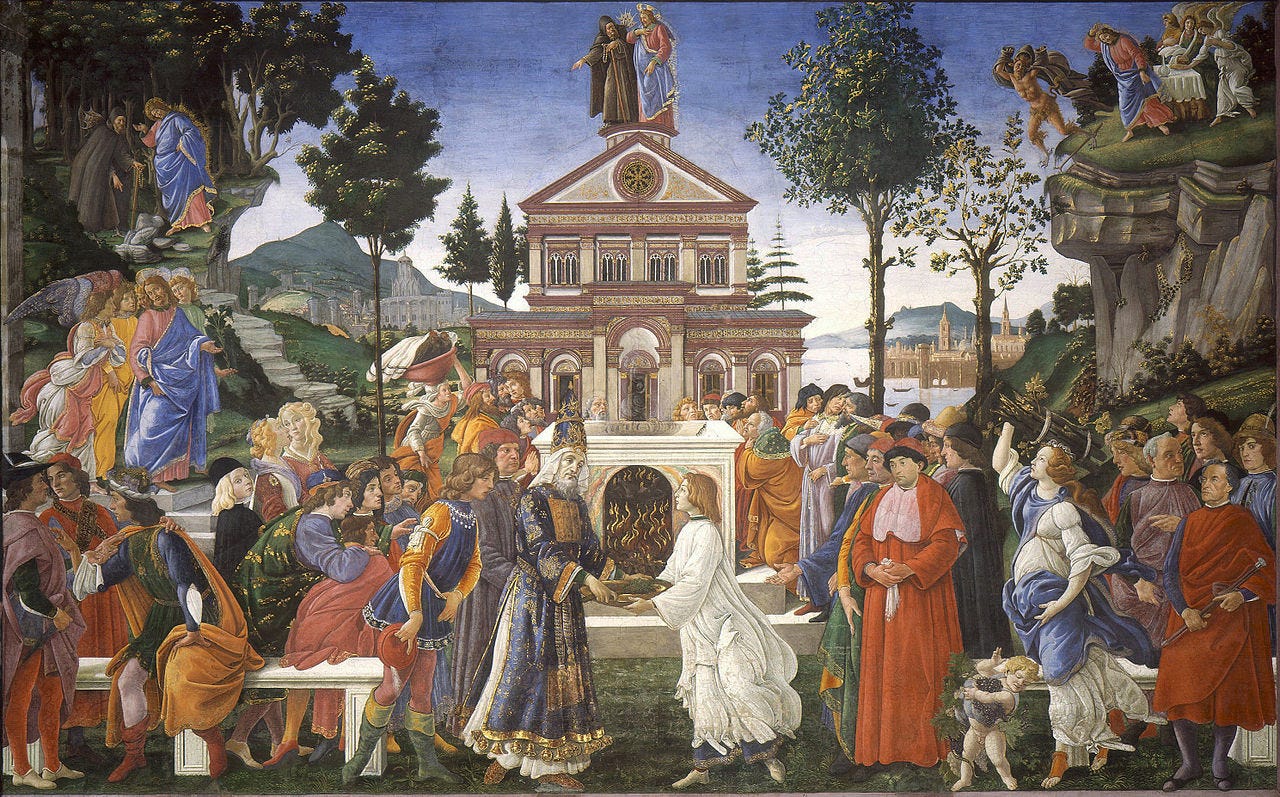
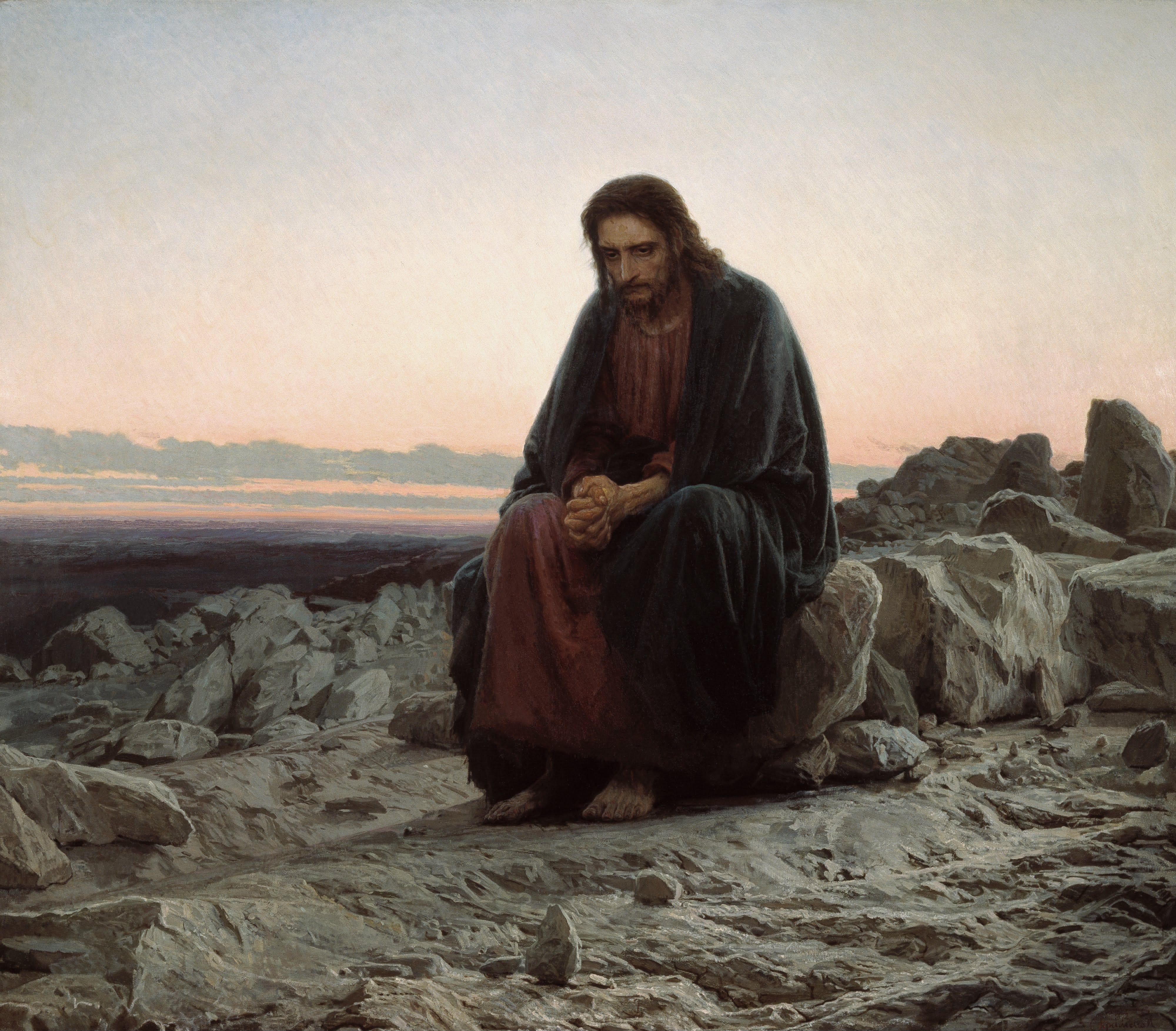
The Gospel places this reversal in the desert. Jesus is tempted not with obvious evils, but with shortcuts—ways to accomplish good ends without trust. Bread without waiting. Spectacle without surrender. Authority without worship. Each temptation invites Him to act independently of the Father while still appearing faithful. His refusal is not dramatic. It is steady. He answers not with innovation, but with memory. Scripture is not used as decoration, but as orientation.
For those entrusted with the Church’s song, this movement from garden to desert is instructive. Much of our pastoral difficulty arises not from a rejection of the liturgy, but from our desire to make it work—more effective, more compelling, more immediately satisfying. Lent exposes this instinct gently but firmly. It reminds us that not every hunger must be fed immediately, and not every silence must be filled.
Liturgically, this means resisting the urge to over-explain or over-provide. Simpler texts, restrained accompaniments, and patient pacing are not aesthetic minimalism; they are acts of trust. They train the community to live “not on bread alone,” but on the Word that orders desire itself. This kind of formation cannot be improvised annually. It requires memory—of how the Church has prayed before us—and discipline—of returning to those patterns even when novelty feels easier.
The desert does not produce results quickly. It produces fidelity slowly. Angels minister only after the temptation is endured, not bypassed. The Church learns the same lesson each Lent: obedience is not the enemy of freedom. It is its condition. When formation is sustained, obedience becomes intelligible again—not as restriction, but as participation in Christ’s own trust in the Father.
Ars Musica Sacra is a reader-supported publication. To receive new posts and support our work, consider becoming a free or paid subscriber.
Feast Day Spotlight
This Sunday inaugurates Lent as a sustained catechesis in freedom rightly ordered. From the earliest centuries, the Church paired Genesis and the Temptation narrative to teach that salvation history hinges not on power, but on obedience rooted in love.
St. Irenaeus articulated this clearly in his doctrine of recapitulation: Christ “sums up” Adam by retracing humanity’s steps and healing them through faithful obedience. The desert becomes the place where creation begins again.
As Musicam Sacram later reminds us, sacred music serves the liturgy best when it “adds greater efficacy to the celebration,” not by emotional force, but by fostering interior participation aligned with the Word proclaimed.
Share these Ars Musica Sacra insights with others for the celebration of this liturgy!
Inspiration from across the internet.
My music of the week.
No music for this week!
Ars Musica Sacra is supported by readers like you. Join our community and engage with other readers by sharing your thoughts and contributing to community discussions!

Have thoughts on what we shared here? Or maybe questions on some liturgy or theology points? Leave a comment and engage with other readers.