

The Quiet Fear of Leading Without Feeding
Fourth Sunday of Easter—The Good Shepherd and the Formation of a Listening Church
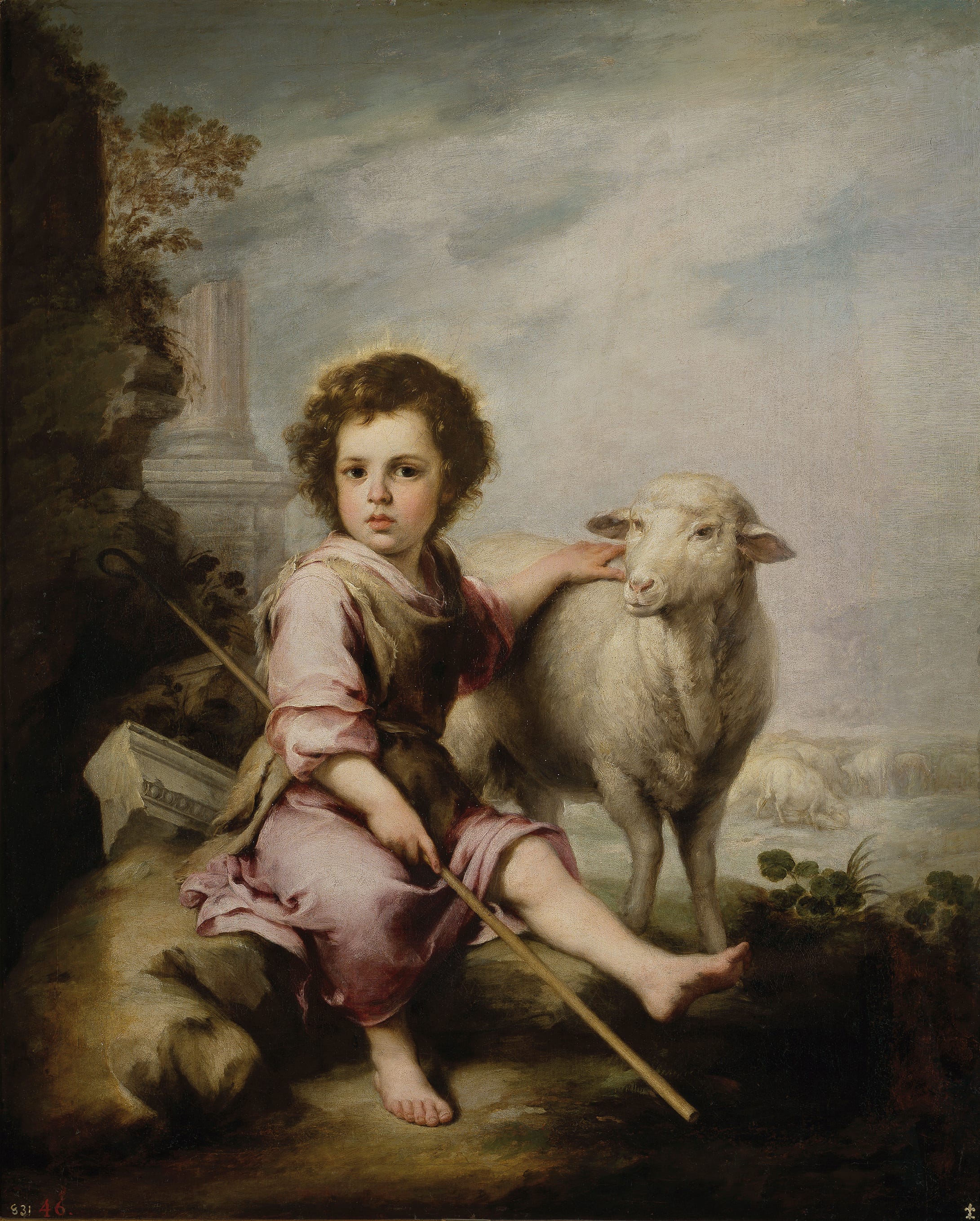
What does it mean to lead?
Many of us might think of a politician that we admire (not many of those around nowadays). Or perhaps we think of a coach that inspired us. Maybe there is a historical figure that we put on a pedestal.
In school, some of us needed to read books on leadership. Today, this category is shelf upon shelf in major retailers. Coaching. Leadership. Success.
But when we look to the greatest example of leadership, we find a servant. A carpenter that gathered people to himself to teach, to aid, to form, and to make disciples. And when we look at our modern lives, we see people gathering others to themselves. Hardly, though, in a selfless manner. So when we look at ourselves, we must ask some fundamental questions. Such as, “am I being called to leadership?” And, “how do I know if people are really following?”
The readings of this Sunday teach us much about leadership in lessons that are often understated. The first among them is that leaders will suffer. Christ, the great leader who was without sin, was put to death! This means that if we are to follow Him, we too will be persecuted (just as He said). When we recognize these truths, following Christ and being a leader in His example become easier. Easier not in nature, but in acceptance of the reality of the cost. Through Him we find that recognition of hardship is a prerequisite to leadership. And through the example of Peter, we see that this recognition will bear fruit. Not all of us will baptize thousands, but we can have courage to go forward. It is this recognition of pain that teaches us something else, people will come when they hear His voice. It takes pain to allow for recognition, and it is only then that people come and seek healing or guidance in the voice of Christ that they hear in us.
And it is here that things start to break down in many parishes. When the flock appears, we start to force. Force our own ideas and ideals on a people that already have a normal. We hardly listen first and discern later. Sometimes, this is much to the benefit of the flock! But we fail to see how we can best approach them. And this has much to do with the type of formation that we have had as shepherds. There is nothing wrong with seeing a flock and noting where there is room for their growth. However, it is the way that we approach that growth that shows us more the kind of shepherds that we are. We must recall that taking up the mantle of the shepherd means that we will suffer. The flock will resist, even when we are instituting something good. There will be pain in shepherding, and only Christ can be our comfort.
For Catholic leaders, we have a special privilege that secular leaders cannot so easily inspire. The connection between leadership and the sacraments. When we really look to how flocks can connect, and more easily be lead by a shepherd, there is a clear connection to the sacraments and catechesis. Ever since the days of the early Church, there was a vibrant connection between these two modes.
When the shepherd accepts all that is entailed in their leadership, and when the flock accepts the combination of their service to the sacramental life of the Church whilst being formed by their shepherd, there is little that cannot be done. Even amidst trial or hardship, they can carry on. This is the great coherence that all parishes and institutions should strive for. Not just because it is the ideal of our Good Shepherd, but because it is the fullness of the life of the Church.
The Good Shepherd be your guide always.
Ars Musica Sacra is a reader-supported publication. To receive new posts and support our work, consider becoming a free or paid subscriber.
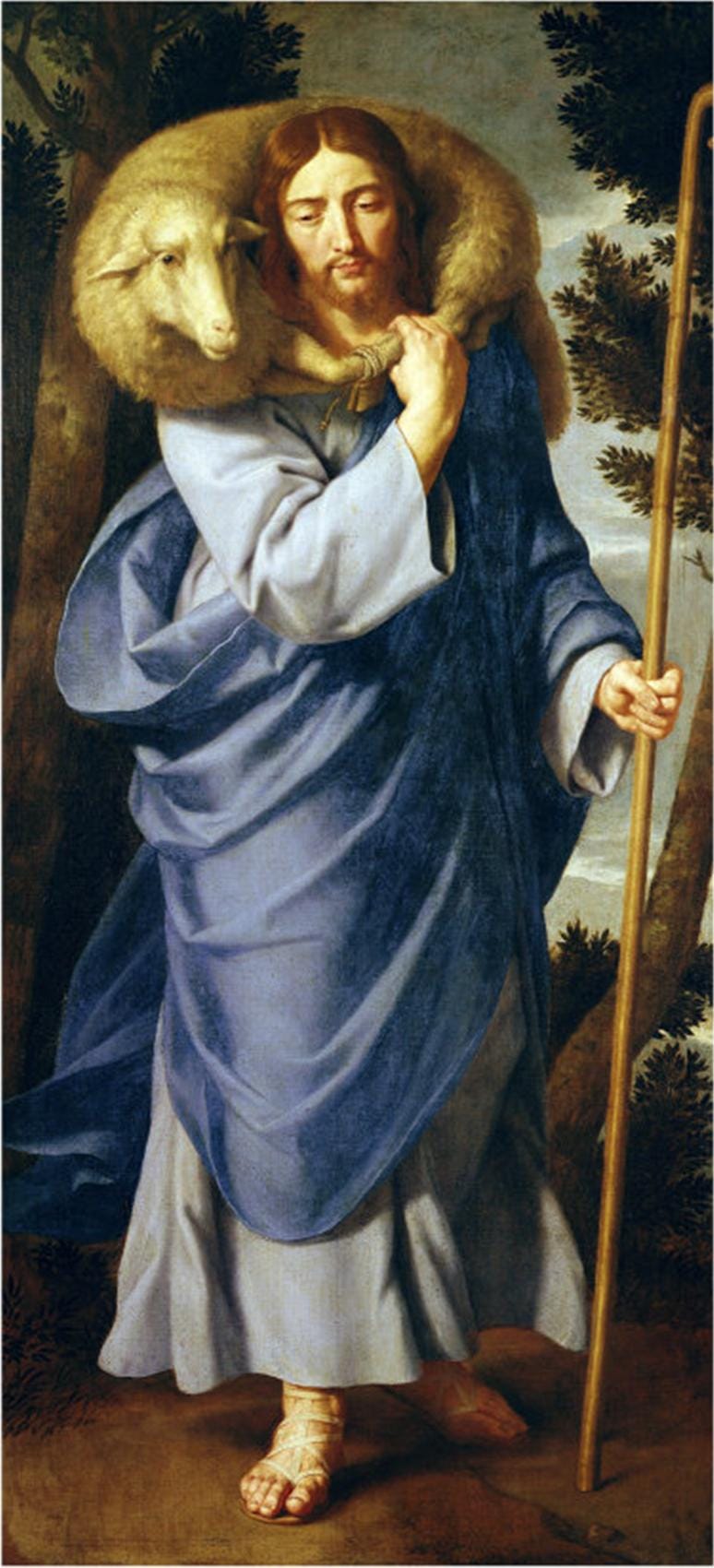
Feast Day Spotlight
Fourth Sunday of Easter (Good Shepherd Sunday)
This Sunday has long been associated with prayer for vocations, but its deeper theological focus is often overlooked: the identity of Christ not only as Shepherd, but as the Gate.
In patristic preaching, this dual image carried great weight. To enter through Christ is not merely to follow Him externally, but to be conformed to His pattern of life—self-giving, obedience, emptying, and trust in the Father.
One lesser-emphasized insight comes from the early pastoral tradition: the shepherd does not drive from behind, but leads from ahead. This reverses many modern instincts about leadership, especially in liturgy.
From the Church’s liturgical teaching:
“Sacred music… is a treasure of inestimable value, greater even than that of any other art.” (Sacrosanctum Concilium, 112)
Not because it impresses—but because it empties itself out to be the handmaiden of the liturgy.
Share these Ars Musica Sacra insights with others for the celebration of this liturgy!
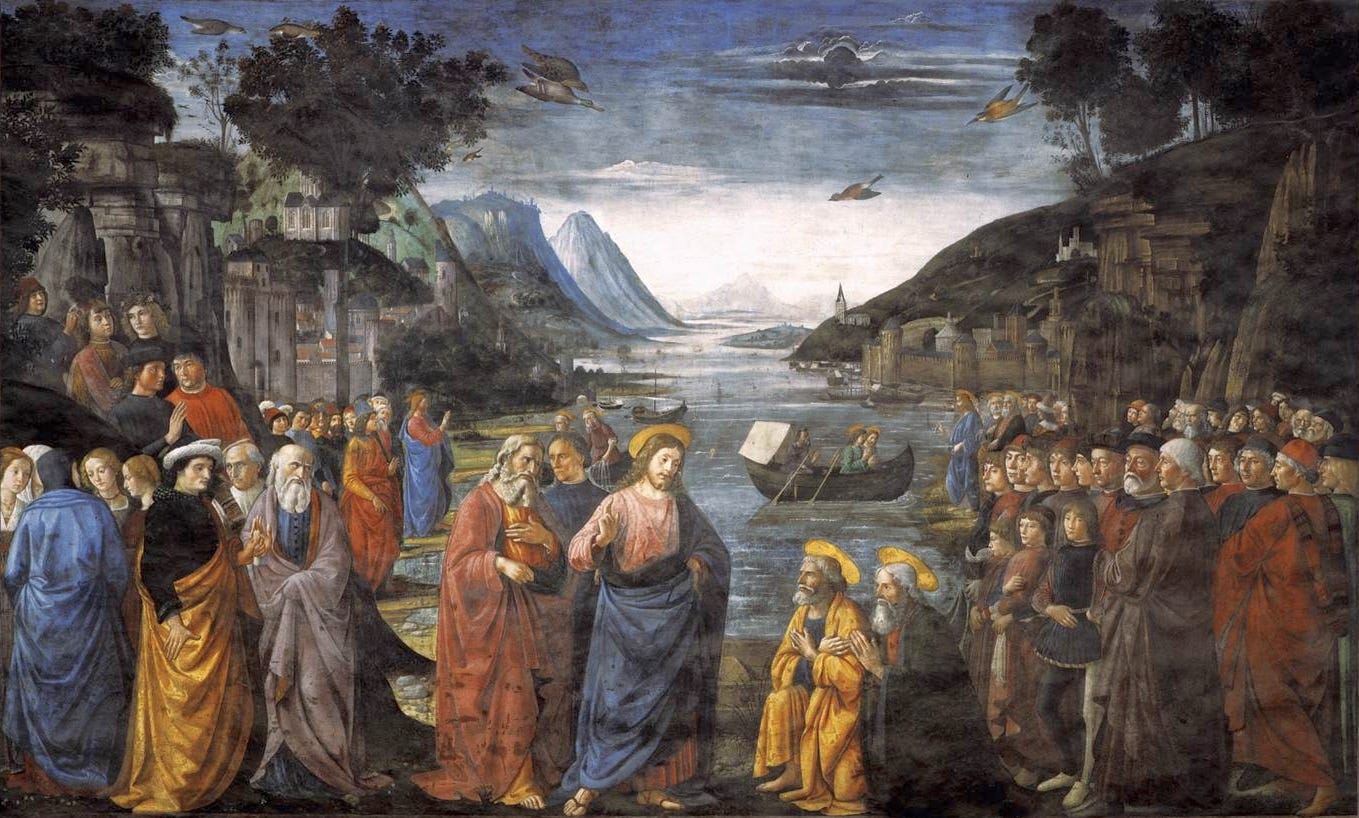
Ars Musica Sacra is supported by readers like you. Join our community and engage with other readers by sharing your thoughts and contributing to community discussions!


Have thoughts on what we shared here? Or maybe questions on some liturgy or theology points? Leave a comment and engage with other readers.