

The Most Important Work That No One Sees
Solemnity of Saint Joseph—The quiet architecture of obedience
There is a kind of labor in the Church that almost never receives attention.
It happens in empty churches on weekday evenings while a choir rehearses a psalm that will be sung once and then forgotten. It happens when a pastor patiently explains the meaning of a liturgical gesture to a handful of parishioners who may or may not remember it next week. It happens when someone spends hours preparing music, texts, and prayers that will pass by the congregation in the span of a single hour.
From the outside, it can appear inefficient. Even invisible.
And yet the Church has always been built precisely through that kind of hidden fidelity.
The Solemnity of Saint Joseph places that truth before us with remarkable simplicity.
The promise spoken to David in the book of Samuel is vast: “Your house and your kingdom shall endure forever before me.” Generations pass while that promise remains suspended in history, waiting for its fulfillment. Kings rise and fall. The kingdom fractures. Exile reshapes the people of Israel. The covenant seems increasingly fragile.
And yet the promise endures.
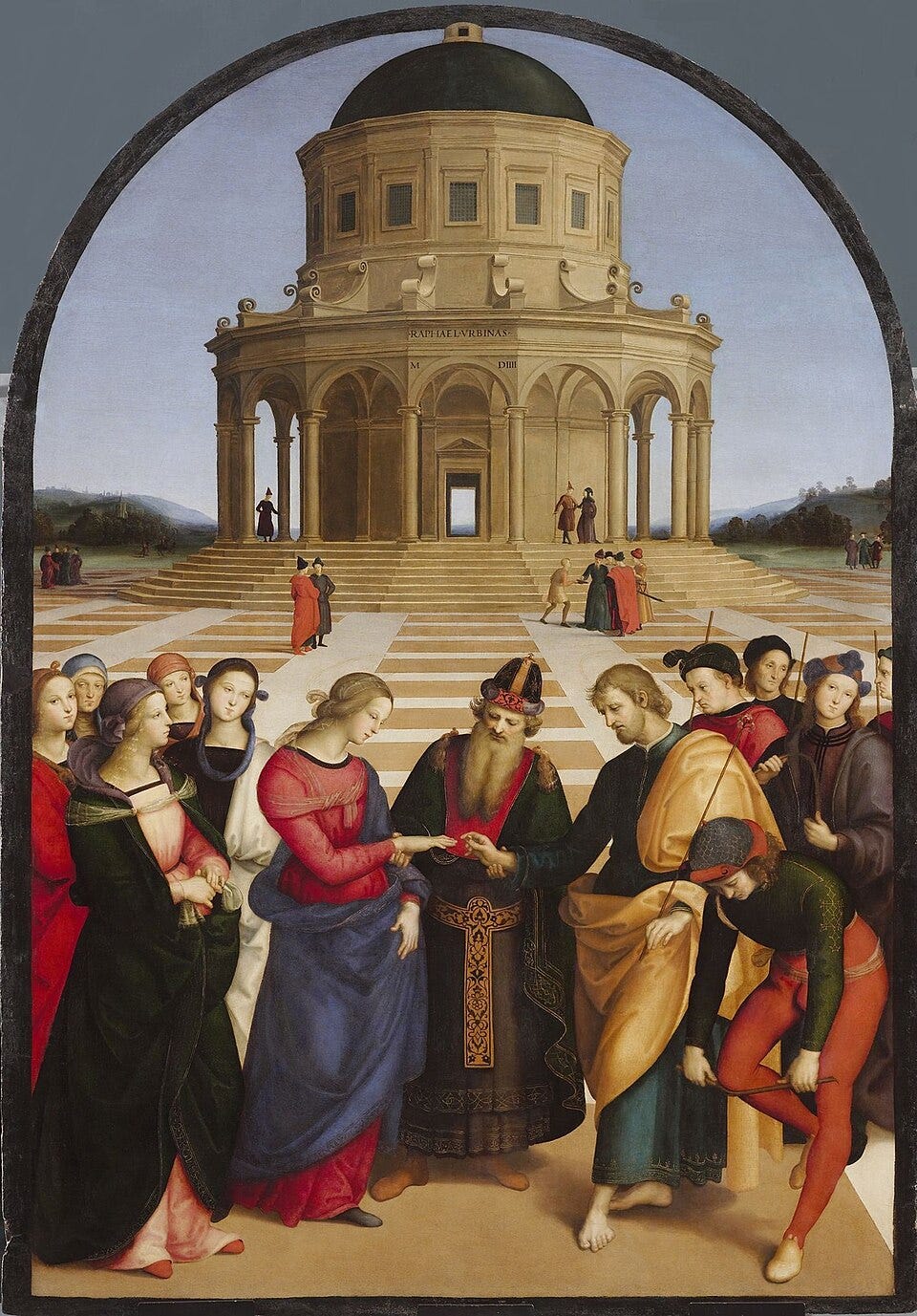
By the time the Gospel opens, the royal line of David no longer appears glorious. It survives quietly in the life of a carpenter in Nazareth. Joseph does not occupy a throne. He possesses no public authority. And still the evangelist Matthew insists on naming him precisely: “Joseph, son of David.”
The entire Davidic promise now rests inside the decisions of a man who will never speak a word in the Gospels.
The drama unfolds in silence. Joseph discovers that Mary is with child. The text tells us only that he was “a righteous man.” In the biblical sense, righteousness does not mean mere moral correctness; it means alignment with the will of God. Joseph is trying to act justly even when the situation appears impossible to understand.
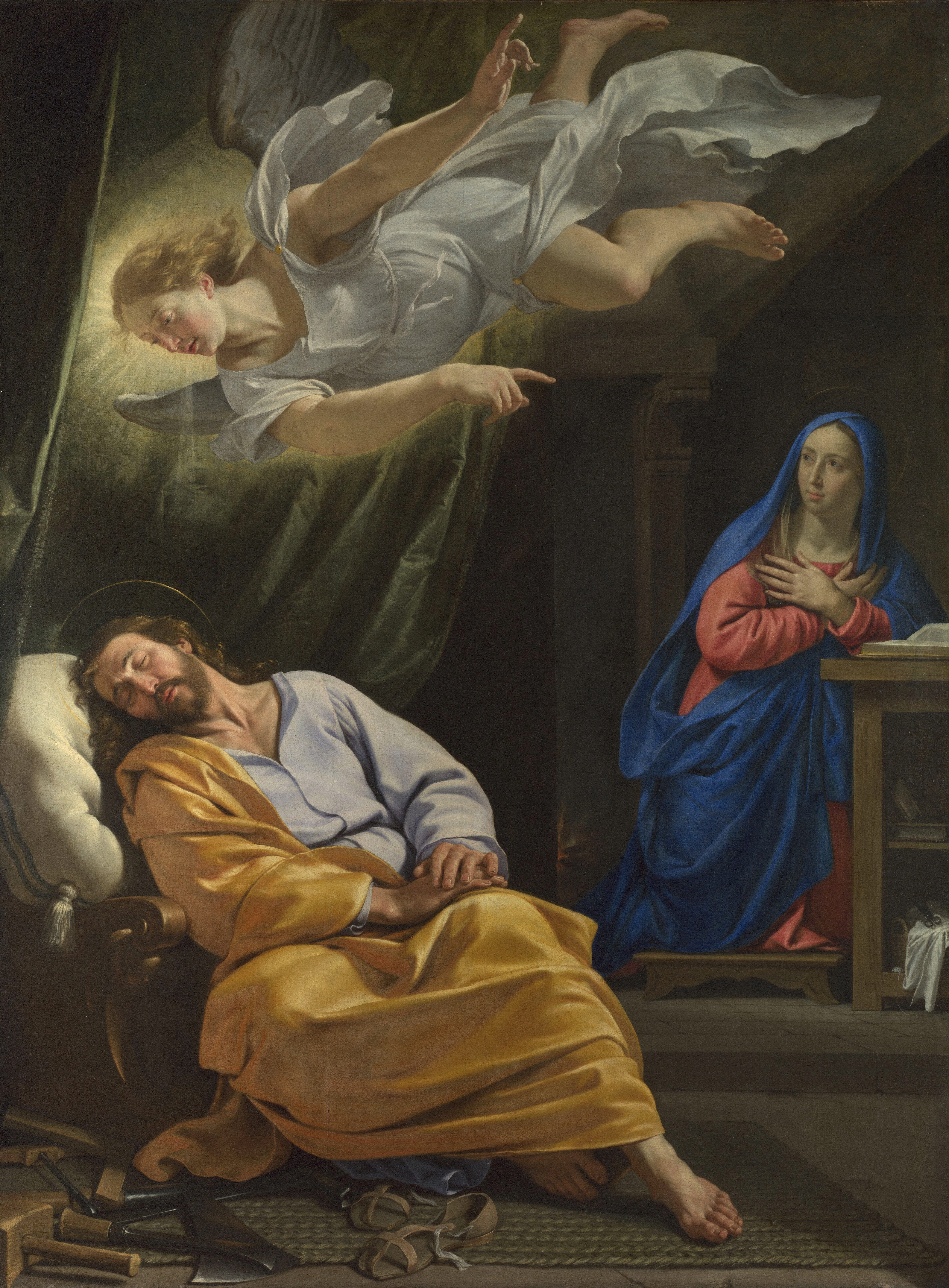
His solution is restrained and compassionate: he resolves to “divorce her quietly.” But then the angel interrupts his plan, revealing that the child has been conceived through the Holy Spirit and commanding him not to be afraid.
Joseph’s response contains no speech, no analysis, no negotiation.
“When Joseph awoke, he did as the angel of the Lord had commanded him.”
The Fathers of the Church often lingered on this detail. Saint John Chrysostom remarked that Joseph’s greatness lies precisely in the fact that he obeys immediately once the truth becomes clear, allowing the divine plan to unfold through his ordinary life.
Theologically, Joseph performs something remarkable. The promise to David required a descendant who would give legal and dynastic identity to the Messiah. By naming the child Jesus and receiving him into his household, Joseph incorporates Christ into the line of David. The kingdom promised centuries earlier passes through the quiet obedience of a craftsman.
History turns on a decision made in the interior of a sleeping man.
This pattern should feel strangely familiar to those entrusted with the Church’s liturgical life.
The work of forming a parish rarely appears dramatic. Week after week, the same tasks return: selecting texts faithful to the liturgical day, teaching a psalm refrain patiently until it becomes part of the community’s memory, guiding singers toward prayer rather than performance. Most of these efforts disappear as soon as the liturgy concludes.
And yet they are not wasted.
Joseph’s vocation reminds us that God frequently builds his most enduring structures through fidelity that is almost invisible at the moment it occurs. The carpenter’s workshop in Nazareth becomes the place where the Son of God grows “in wisdom and age and favor,” learning the rhythms of human life within a household ordered by obedience.
Psalm 89 celebrates this mysterious stability: “The promises of the Lord I will sing forever.” The covenant persists across generations not because every moment is spectacular, but because faithfulness accumulates.
Paul’s reflection on Abraham deepens the pattern. Abraham believed “hoping against hope,” trusting a promise that seemed impossible by ordinary calculation. Joseph belongs to that same lineage of faith. Both men receive a future they cannot engineer. Both respond with obedience that allows God to act.
This has consequences for how we think about formation in the Church.
Modern pastoral culture often measures success by immediate results: attendance numbers, program participation, visible enthusiasm. But the biblical imagination measures something different. It asks whether a community is being slowly configured to the promises of God.
Liturgical formation works precisely this way.
When a parish begins to sing the Psalms regularly rather than replacing them with paraphrases, something subtle begins to shift. When the texts of the Mass are allowed to speak with clarity, when silence is honored rather than filled, when the musical repertoire carries the memory of the Church rather than only the preferences of the moment, the community’s perception gradually deepens.
None of this feels dramatic.
But neither did Joseph’s obedience.
The kingdom promised to David did not appear through spectacle. It arrived through a man who listened to a dream, trusted a voice, and quietly rearranged his life around a child who was not biologically his own.
By the time Jesus begins his public ministry, Joseph has already disappeared from the narrative. His role was never to draw attention to himself. It was to safeguard the conditions in which the promise could grow.
That, in many ways, is the vocation of every pastor, teacher, and music minister in the Church.
To build a house where the promises of God can quietly take root.
And to trust that even when the work seems hidden, the covenant is still unfolding.
Ars Musica Sacra is a reader-supported publication. To receive new posts and support our work, consider becoming a free or paid subscriber.
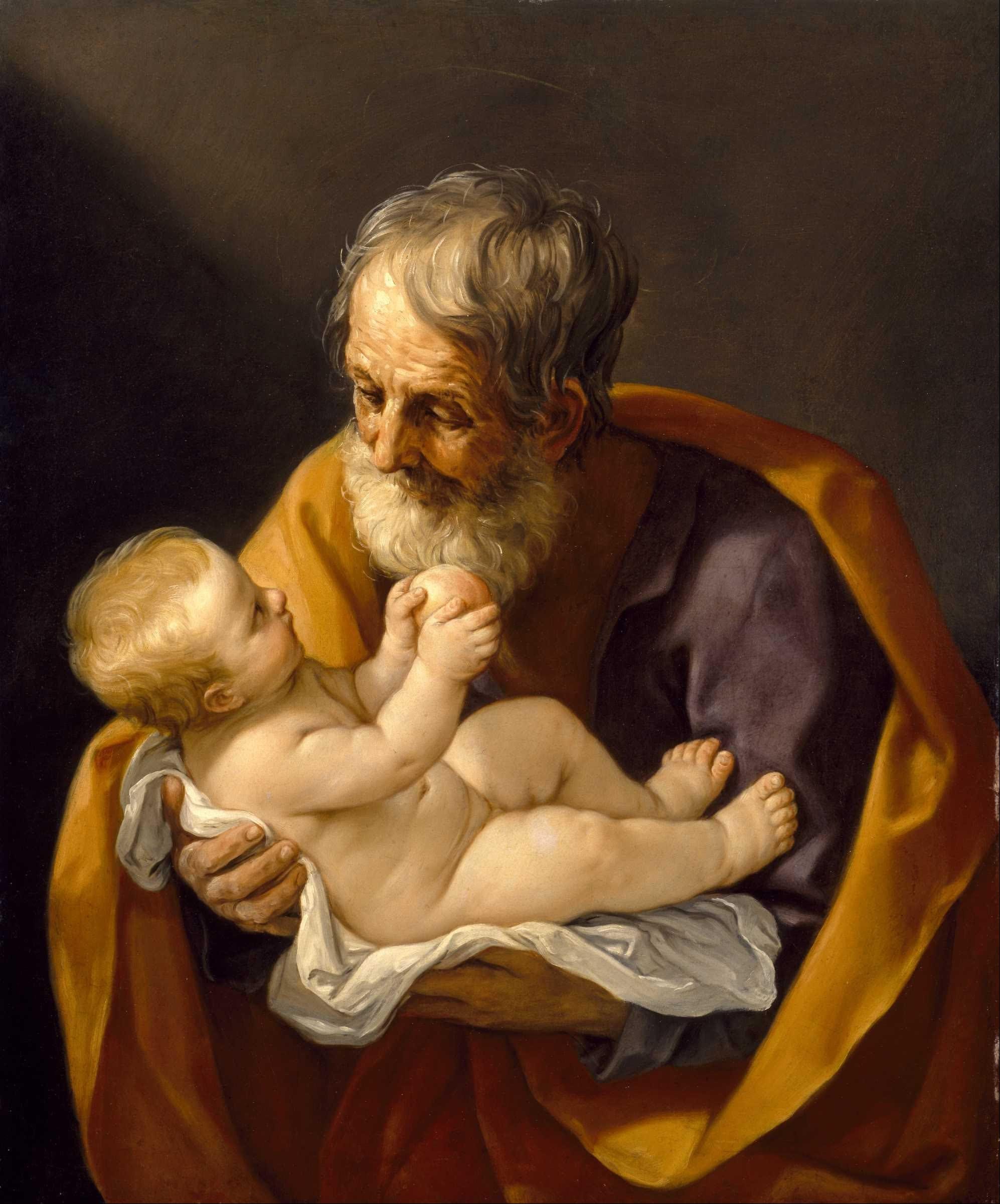
Feast Day Spotlight—Saint Joseph, Spouse of the Blessed Virgin Mary
Devotion to Saint Joseph developed gradually in the life of the Church, but by the late Middle Ages his role in salvation history had become more widely contemplated. In 1870, Pope Pius IX formally declared him Patron of the Universal Church, recognizing that the same man who protected the Holy Family continues to protect the Church’s life.
Joseph’s unique vocation is theological as well as historical. Though not the biological father of Jesus, he exercises true paternal authority by giving the child his legal identity within the house of David. Through Joseph’s obedience, the ancient promise spoken to David finds its fulfillment in Christ.
Pope Leo XIII described Joseph’s mission with remarkable clarity:
“Joseph became the lawful and natural guardian, head, and defender of the divine household.”
— Quamquam Pluries (1889)
For ministers of the Church, Joseph remains a model of quiet fidelity—one who builds, protects, and obeys without seeking recognition.
Share these Ars Musica Sacra insights with others for the celebration of this liturgy!
Inspiration from across the internet.
→ Never did I ever think that Pépin used instant potatoes….
My music of the week.
If you are familiar with Stainer, then his Crucifixion, may be a work that you know well. If not, you are in for a treat.
Ars Musica Sacra is supported by readers like you. Join our community and engage with other readers by sharing your thoughts and contributing to community discussions!

Have thoughts on what we shared here? Or maybe questions on some liturgy or theology points? Leave a comment and engage with other readers.