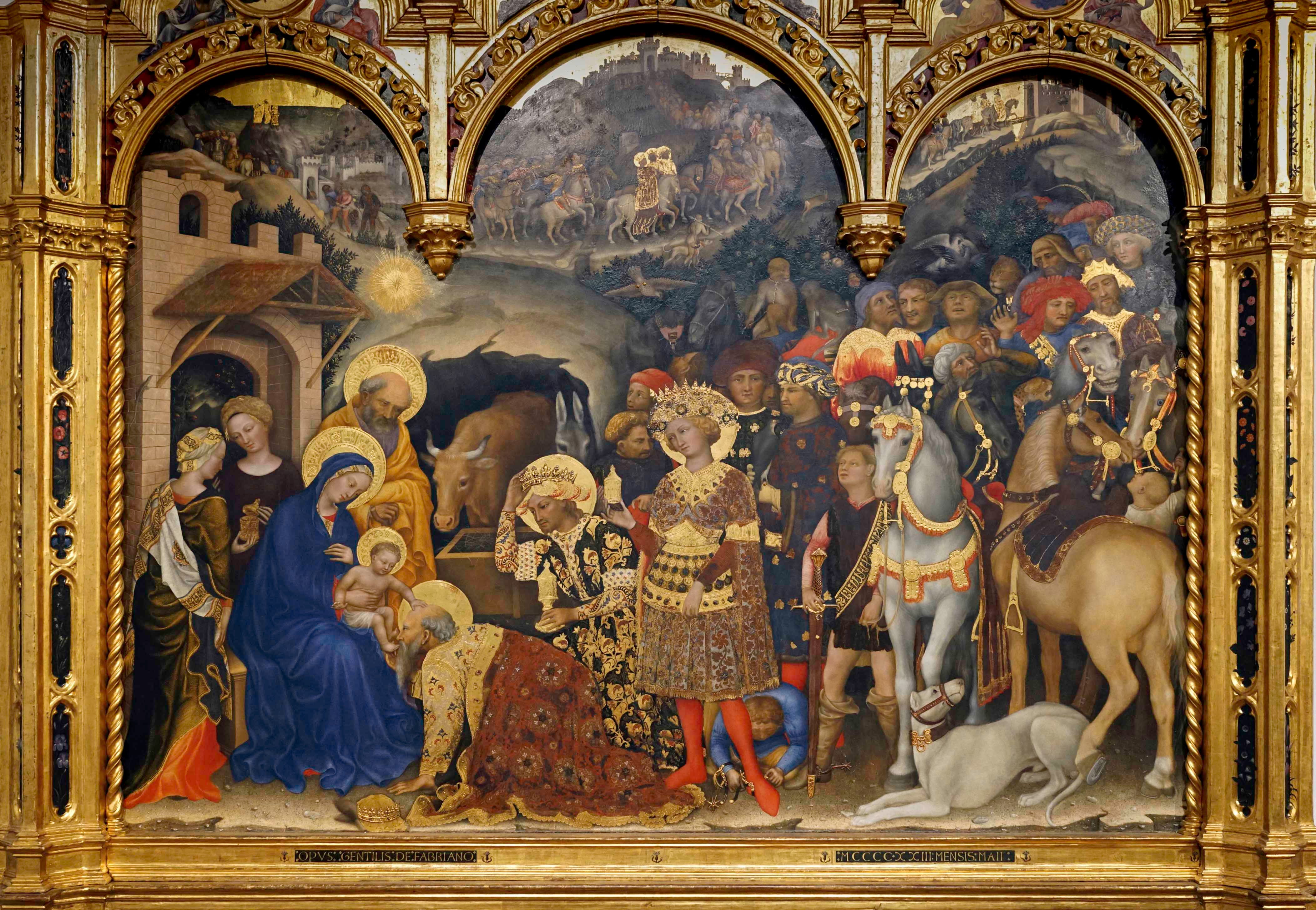
The Epiphany of the Lord
Following the Star: How Epiphany Teaches the Church to Sing for the Nations
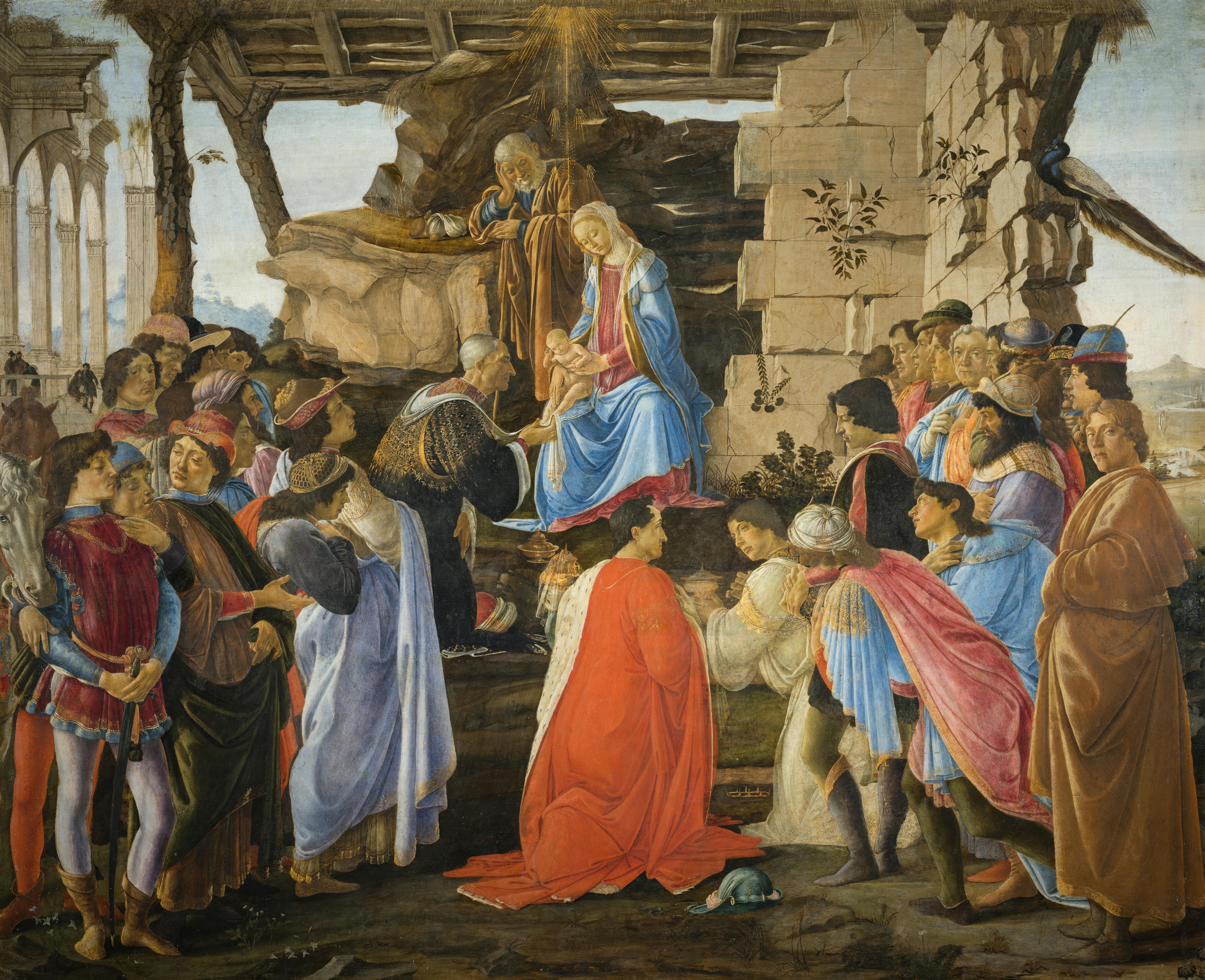
There is something unsettling about how quietly Epiphany happens.
Not with angels filling the sky or shepherds running through the night, but with scholars from a distant land who notice a star that does not belong to them and choose to follow it anyway, leaving behind the safety of what they know in order to worship a child they cannot yet name, a child whose kingship will not resemble the power structures they understand, and whose throne will be revealed first not in Jerusalem’s courts but in humble estate in Bethlehem.
Isaiah dares to say what the world cannot yet see: that light has already arrived, even while darkness still feels thick enough to touch, and that the nations will one day walk by a radiance that does not originate from their own ambition or strength but from the sheer gratuity of God choosing to dwell among His people. Jerusalem is told to rise not because she has solved her problems, purified her politics, or secured her borders, but because the Lord has already acted, because the glory of God precedes human readiness, and because the gathering of the nations is not the Church’s project but God’s promise unfolding across time.
Paul names this same mystery with a different kind of precision, insisting that what has been revealed in Christ is not a divine afterthought but the long-hidden plan of God made visible at last: that the Gentiles are not guests lingering at the edge of Israel’s story, but coheirs—members of the same Body—participants in the same promise. Epiphany is not simply about who arrives at the manger; it is about who belongs there, about the unsettling truth that the Church is catholic not because it manages diversity well but because Christ Himself cannot be contained by any single culture, language, or musical idiom, and so draws all things into unity without erasing their particularity.
Matthew’s Gospel refuses to sentimentalize this revelation. The same star that fills the Magi with joy troubles Herod, and the same question—Where is the newborn king?—exposes the fault lines between worship and control, between those who seek Christ even at a great cost and those who fear what they might lose if His kingship is real. The Magi kneel not because they fully understand what lies before them, but because they recognize truth when it presents itself without coercion, and so they offer gold, frankincense, and myrrh—symbols not only of kingship and divinity and death, but of the strange logic of the God who reveals Himself through humility and invites worship rather than demands compliance.
For those entrusted with the Church’s song, Epiphany lands close to home. Sacred music, at its best, functions like a star: not drawing attention to itself, not insisting on admiration, but pointing steadily beyond its own beauty toward the mystery it serves. The Church has always known this, which is why Musicam Sacram insists that music in the liturgy is ordered toward “the glory of God and the sanctification of the faithful,” never as performance for its own sake but as a vehicle of revelation, a way in which the nations are gently taught how to adore. When the psalm declares that every nation on earth will worship the Lord, it is not imagining uniform sound but shared orientation, many voices learning to face the same Light from different directions.
The saints understood this instinctively. Leo the Great preached that in the Magi’s journey, “all nations begin to enter the family of the patriarchs,” and that what was revealed in Bethlehem was not merely Christ’s identity but the Church’s future, gathered from the ends of the earth into a single act of praise. To sing on Epiphany, then, is to stand inside that future even now, to allow your choir loft or sanctuary or school chapel to become a place where universality is rehearsed week by week, not through abstraction but through concrete acts of listening, blending, and offering.
And perhaps this is the deeper consolation of the feast: that revelation does not depend on our perfection, only on our willingness to follow the light we have been given. The Magi do not return home the same way they came, not because the road has changed, but because they have. Epiphany always sends us back by another way—into our parishes, our classrooms, our rehearsal rooms—carrying the quiet certainty that Christ has been made known, that the nations are already on the move, and that every faithful note offered in humility becomes part of the Church’s ongoing proclamation: We have seen His star, and we have come to worship.
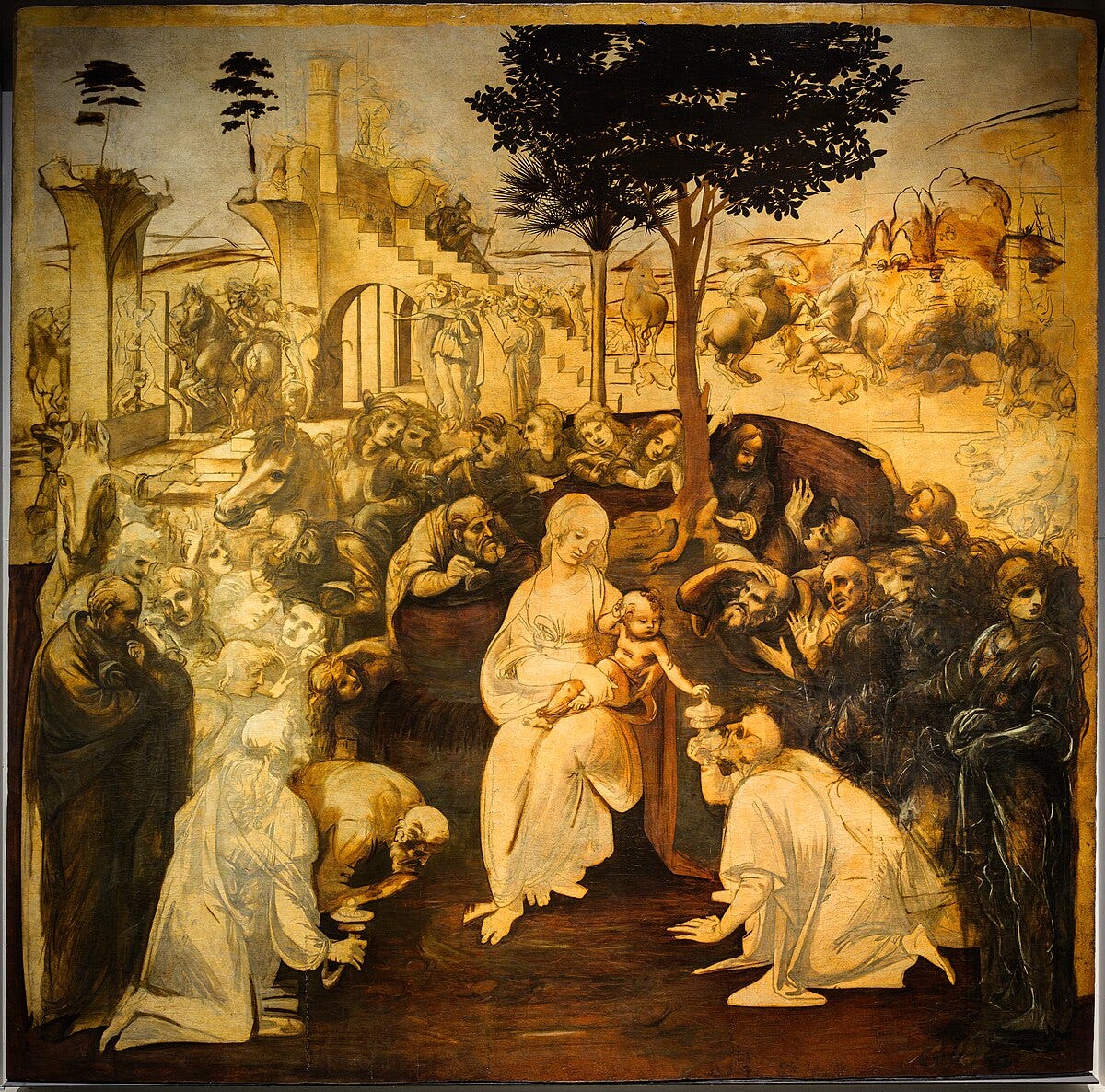
Feast Day Spotlight
Color of Vestments
WhiteLiturgical Note
Epiphany is the Church’s celebration of Christ revealed not only to Israel but to the nations, a feast that proclaims from the outset that the Incarnation is universal in scope and missionary by nature. Historically rooted in the early Church’s reflection on baptism, kingship, and divine manifestation, Epiphany holds together multiple unveilings of Christ’s identity—most vividly in the homage of the Magi, whose journey embodies the Church’s vocation to seek, adore, and proclaim.Historical / Theological Insight
St. Leo the Great preached that in the Magi, “we recognize the first fruits of the Gentiles,” reminding the Church that catholicity is not a modern strategy but an ancient reality grounded in Christ Himself. Echoing this, Sacrosanctum Concilium teaches that the liturgy “is the outstanding means whereby the faithful may express in their lives and manifest to others the mystery of Christ,” making Epiphany not merely a story remembered, but a mission enacted—especially through the sung prayer of the Church, where many nations learn to worship with one voice.Why This Matters for Sacred Music
It is in the Epiphany that sacred song gathers one of its truest natures: universality. On this great feast, if we cannot sing universally, have we learned any lesson from the Magi?
Inspiration from across the internet.
→ I have hear no news about this movie, but it looks so cute!
My music of the week.