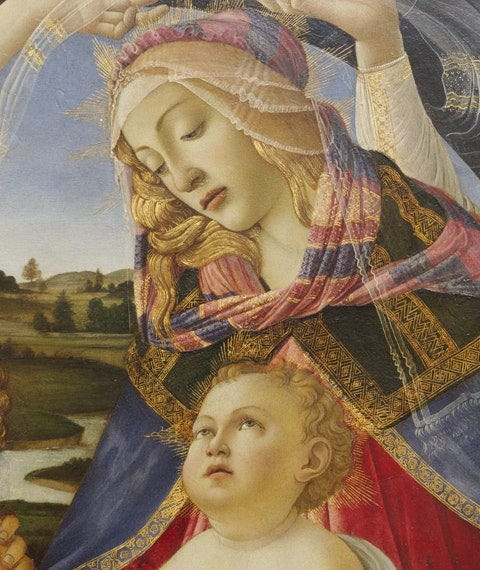
Solemnity of Mary, the Holy Mother of God
The First Sound of the New Year Is a Blessing
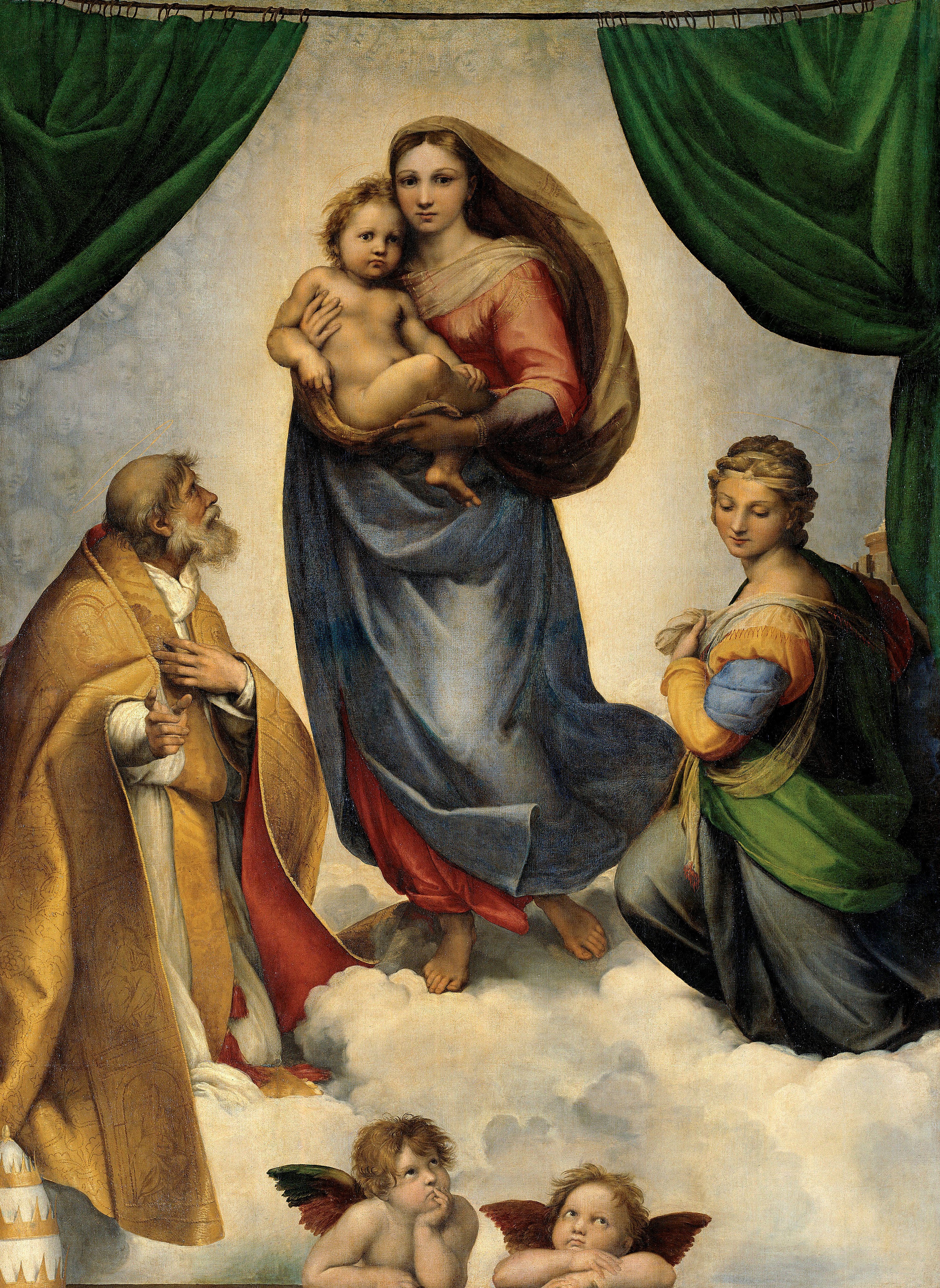
There is something profoundly quiet about the way the Church begins the civil year—
not with a trumpet blast or a declaration of new resolve, but with a blessing placed gently on the lips of a priest, and with a woman who keeps silence long enough for God’s Word to settle into her heart. The Solemnity of Mary, the Holy Mother of God does not rush us forward; it steadies us. It teaches us how to receive time itself as gift, not as pressure, and how to let the mystery of Christ mature within us before we attempt to explain it, improve it, or put it to use.
The ancient priestly blessing from Numbers is striking for its simplicity. It does not ask Israel to do anything first. It does not prescribe effort, strategy, or worthiness. It simply places the Name of the Lord upon the people and promises that God Himself will act: blessing, keeping, shining, giving peace. In the Hebrew imagination, this is not poetic excess but ontological reality—when God’s face shines, life flourishes. When His Name rests upon a people, chaos is restrained. This is the first music of the new year: a spoken blessing that orders the world not by force, but by presence.
Psalm 67 expands that blessing outward, insisting that what God gives to His people is never meant to terminate with them. Blessing becomes missionary by nature. Light given is light meant to be seen. Peace received becomes peace that draws the nations into praise. The psalm’s refrain—May God bless us in his mercy—is not passive optimism but a liturgical posture, a readiness to be shaped by mercy rather than mastery. This matters deeply for the Church’s prayer, because praise that is not rooted in blessing quickly becomes performance, and song that is not grounded in mercy becomes noise.
Paul names the reason this blessing can finally be trusted: when the fullness of time had come, God sent his Son, born of a woman. The phrase is dense with theology. God does not save us abstractly. He enters time through a body, through a person, through a mother, through the ordinary vulnerability of humanity. Our adopted nature, Paul insists, flows from this fact. We are not merely forgiven servants but sons and daughters who can cry Abba because Christ first learned to speak within a human family. The Marian dimension here is not decorative; it is structural to our lived spiritual reality. Without Mary, salvation remains an idea. With her, it becomes flesh.
Luke’s Gospel refuses to sentimentalize this mystery. The shepherds speak. The crowd marvels. But Mary does something else entirely: she keeps and ponders. She receives revelation without rushing to interpret it. She allows wonder to deepen before it becomes proclamation. In a liturgical culture often tempted to fill every silence, Mary stands as the Church’s teacher of restraint. Her posture reminds us that sacred music is not constant sound but ordered sound, arising from listening that is patient enough to let God speak first.
The Church Fathers saw this clearly. Saint Ephrem the Syrian, whose theology is inseparable from hymnody, wrote of Mary as the “harp of the Spirit,” tuned not by technique but by humility. The image is instructive: an instrument does not generate music on its own; it resonates when touched. In this light, Sacrosanctum Concilium’s insistence that sacred music is ordered toward the glory of God and the sanctification of the faithful takes on maternal contours. Music sanctifies not by impressing, but by allowing Christ to be heard again within the Church.
For music ministers and priests, this feast is both a consolation and a correction. It consoles because it affirms that the most fruitful ministry often unfolds invisibly, in hearts that are being slowly formed rather than immediately moved. And it corrects because it challenges any temptation to substitute activity for attentiveness, volume for depth, or novelty for truth. Mary does not curate an experience; she safeguards a mystery. And in doing so, she shows us that the Church’s song must always grow out of contemplation if it is to remain a blessing rather than a distraction.
As the year opens, the Church does not ask us first what we will accomplish, but whom we will allow to dwell within us. The Name placed upon Israel now rests within Mary’s arms. The blessing once spoken over a people now breathes, cries, and receives a name: Jesus. And every time the Church dares to sing His praise, she does so not as one who has mastered the mystery, but as one who has received it—and is still learning how to keep it.
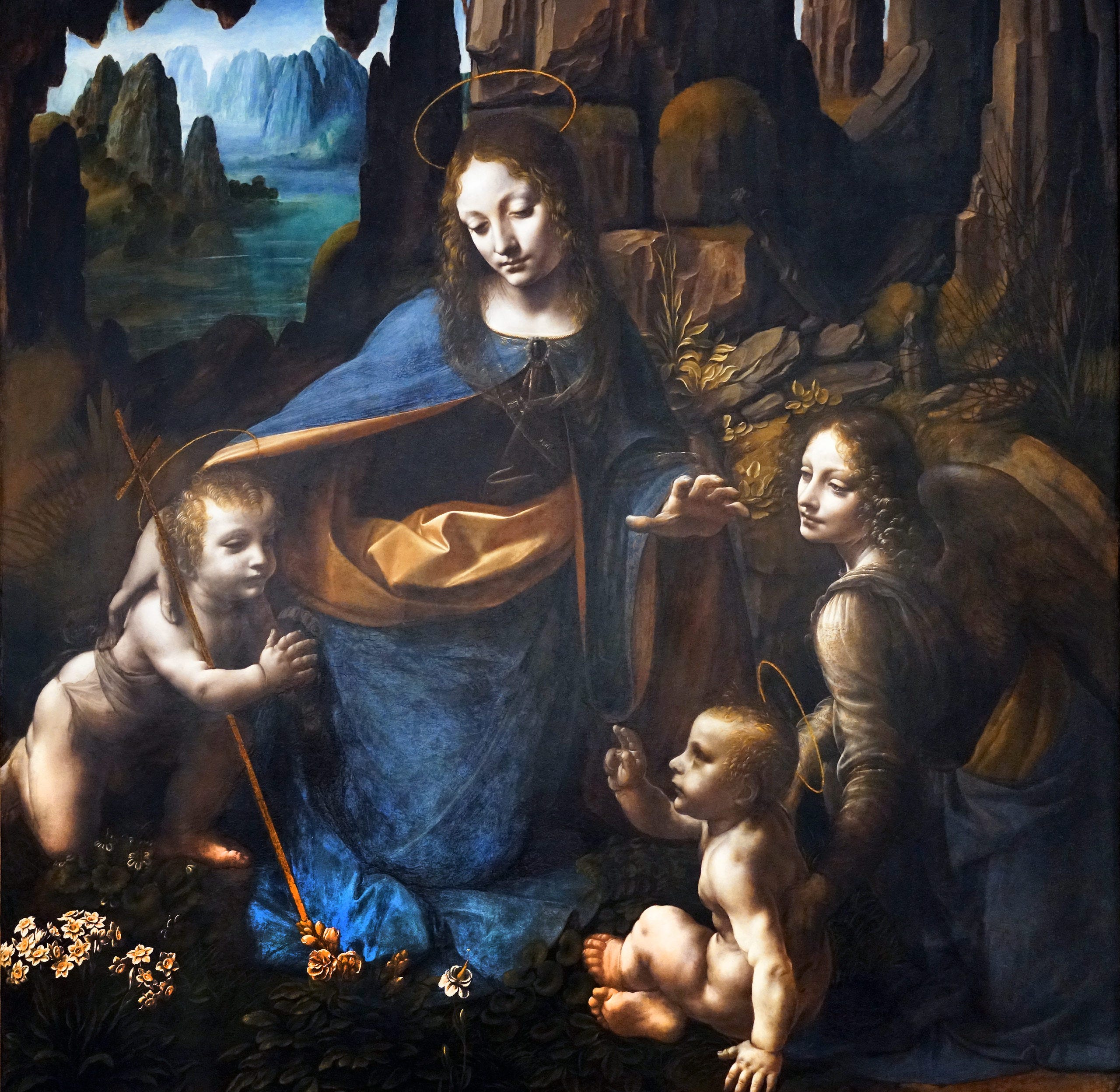
Feast Day Spotlight
Color of Vestments
WhiteLiturgical Note
Celebrated on January 1, this solemnity crowns the Octave of Christmas by affirming the Church’s oldest Marian confession: that the one born in Bethlehem is truly God, and that Mary is therefore rightly called Theotokos, God-bearer. The title, solemnly defended at the Council of Ephesus (431), was not granted to exalt Mary in isolation, but to safeguard the truth of the Incarnation itself—that Christ is fully God and fully man, united from the first moment of His conception.Historical / Theological Insight
Saint Leo the Great would later preach that “the birth of Christ is the origin of the Christian people,” emphasizing that Mary’s motherhood establishes the pattern by which Christ continues to be born in the Church. This insight finds resonance in Marialis Cultus, where Paul VI situates Marian devotion firmly within the liturgy, insisting that authentic Marian prayer always leads more deeply into the mystery of Christ rather than away from it.Why This Matters for Sacred Music
In placing this feast at the threshold of the year, the Church quietly teaches that time itself must be received maternally: not conquered, but borne; not filled with noise, but opened to blessing.
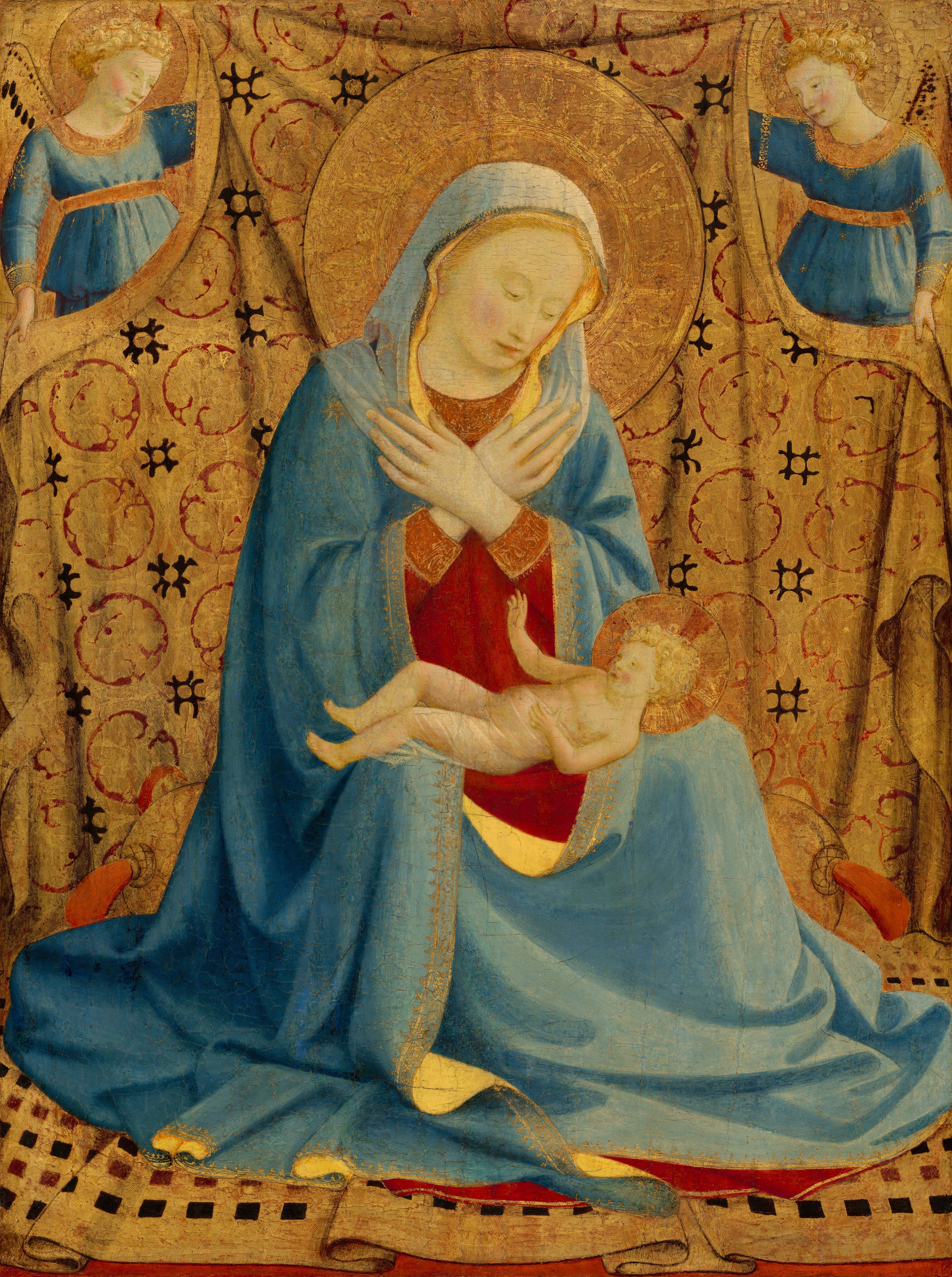
Inspiration from across the internet.
→ theologically, a terrible piece. motivationally, excellent.
My music of the week.