

Sixth Sunday of Easter
The importance of the early Church is emphasized by Christ, and the Holy Spirit confers to them the dignity of it's role.

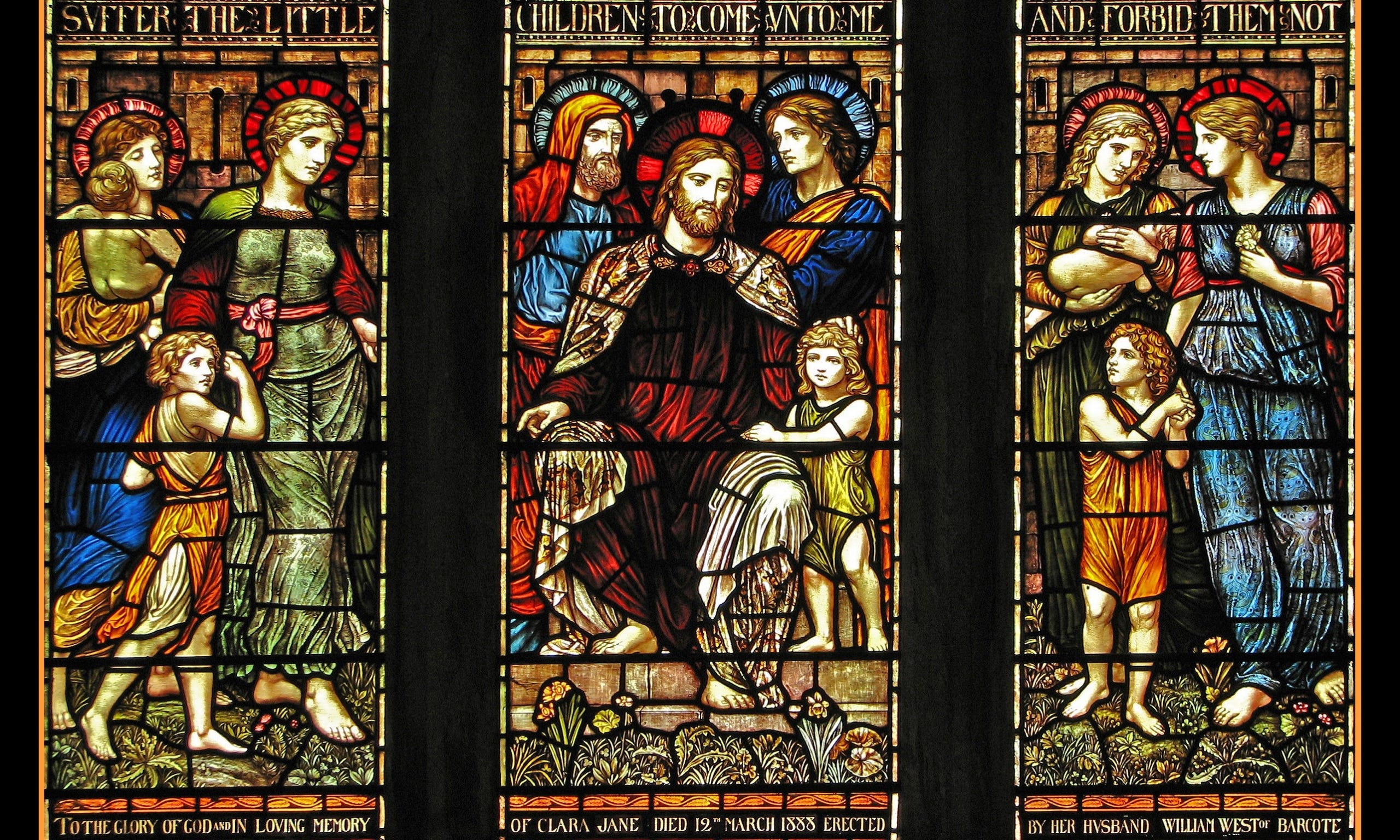
The Apostolic Foundation: Christ’s Hierarchy in the Early Church
The early Church's structure, as depicted in Acts 15:1–2, 22–29, underscores the significance of a divinely instituted hierarchy. This passage recounts the Council of Jerusalem, where the apostles and elders convened to address the contentious issue of the Gentile’s prescription to the Mosaic Law after conversion, particularly Gentile circumcision. The resolution—delivered through an official letter—emphasizes the collaborative discernment guided by the Holy Spirit:
“It is the decision of the Holy Spirit and of us not to place on you any burden beyond these necessities….”
This moment reflects the Church's commitment to unity and doctrinal clarity through its hierarchical structure.
Christ’s Intentional Establishment of Hierarchy
Jesus Christ deliberately established a hierarchical framework for His Church. He appointed the apostles, with Peter as their head, to shepherd His flock and safeguard the faith. This apostolic foundation ensured that teachings remained consistent and communities stayed united.
The Council of Jerusalem exemplifies this structure in action. Faced with doctrinal disputes, the Church didn't rely on individual interpretations but convened its leaders to seek collective guidance. Their decision, attributed to both the Holy Spirit and their authority, was then communicated to the broader Christian community.
The Role of Apostolic Succession
The early Church's reliance on its hierarchy wasn't a temporary measure but a model for enduring governance. Through apostolic succession, the authority granted by Christ to the apostles has been passed down throughout the ages to bishops across the earth. This unbroken line ensures that the Church remains anchored in its foundational truths.
In Acts 15, the apostles and elders' decision-making process demonstrates the practical application of this hierarchy. Their unified stance, inspired by the Holy Spirit, provided clear guidance to believers, reinforcing the Church's role as the custodian of divine truth.
Embracing the Hierarchical Church Today
Understanding the early Church's hierarchy invites modern believers to appreciate the structure that preserves doctrinal integrity and fosters unity. The bishops, as successors of the apostles, continue to lead the faithful, ensuring that the teachings of Christ remain vibrant and unaltered.
By recognizing and respecting this divinely instituted hierarchy, the faithful participate in a living tradition that connects them to the very foundations of Christianity. It's through this structure that the Church navigates challenges, proclaims the Gospel, and guides souls toward salvation.
Apostolic Authority and Musical Tradition
The Church’s hierarchy not only discerns doctrine but safeguards liturgy. Over the centuries, bishops and councils have guided what is appropriate for the sacred rites. The Second Vatican Council emphasized this clearly:
“The treasure of sacred music is to be preserved and fostered with great care” (Sacrosanctum Concilium, 114).
This “treasure” is not just artistic—it is theological. It springs from the apostolic faith, shaped by the Church’s liturgy, and preserved by her shepherds. When the hierarchy speaks through liturgical norms and musical guidelines, it is an extension of that same apostolic decision-making seen in Acts 15.
Sacred Music: Submission, Not Self-Expression
The faithful are invited to receive the Church’s musical heritage, not invent it. In this way, sacred music becomes a school of humility and ecclesial communion. Musicians, choirs, and composers are called to serve—not overshadow—the liturgy. This service reflects the posture of those early believers who “were delighted with the exhortation” (Acts 15:31) and obeyed the apostles’ decision.
Conclusion: Singing with the Voice of the Church
In every generation, the Church continues to sing with the voice of the apostles—united, obedient, and led by the Spirit. Sacred music is a powerful witness to this unity. It reminds us that the Church does not create truth or beauty by consensus, but receives it from Christ through the apostles and their successors.
When we chant the Psalms, sing the Mass, or proclaim the Alleluia, we are not just making music—we are participating in the hierarchical, Spirit-led praise of the Church founded by Christ.
Let us, then, tune our hearts not only to the right notes, but to the right authority—so that our sacred music may truly be a harmonious echo of the apostolic voice.
For a deeper reflection on these themes, you can listen to the Daily Mass Reading Podcast for May 25, 2025, provided by the United States Conference of Catholic Bishops.
