

Seventeenth Sunday in Ordinary Time
Knock, and ye shall find. The presence of the Lord.
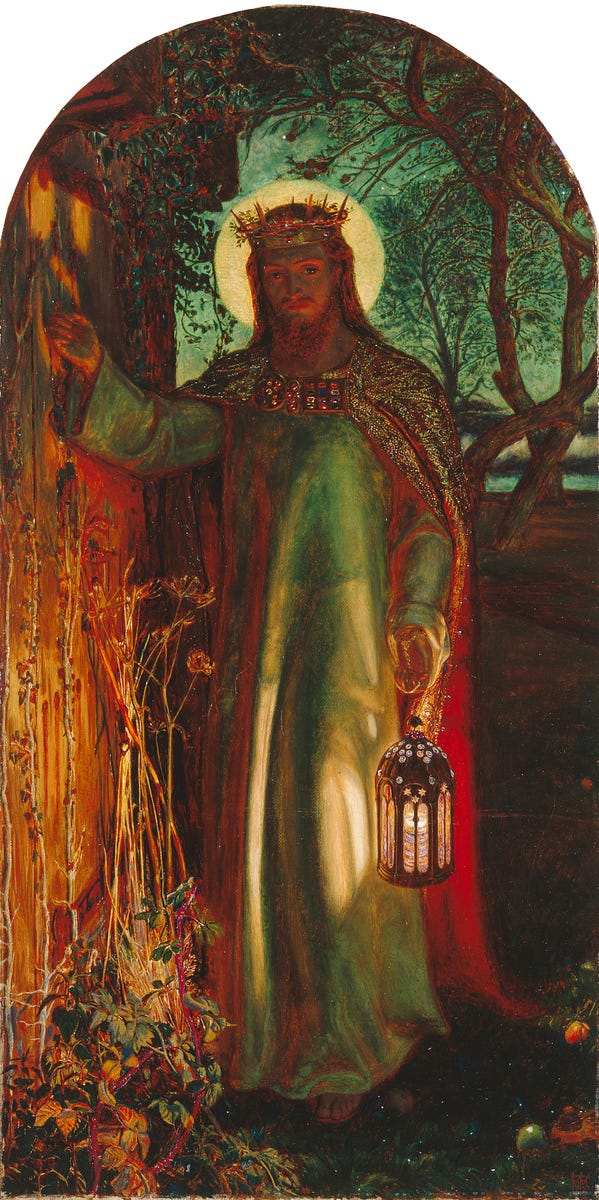
I once made a pastoral visit to colleague when I was diocesan director of sacred music. It was really a check-in to see the parish where we would hold the next years presbyteral ordinations. However, it turned into a rich vocational visit for both me and my colleague. Especially after spending some time with the Blessed Sacrament. I then left with a series of questions. Not theological queries exactly, but something perhaps deeper: What have I asked for? What am I seeking? What have I knocked on heaven’s door about? And how often have I left without waiting for an answer?
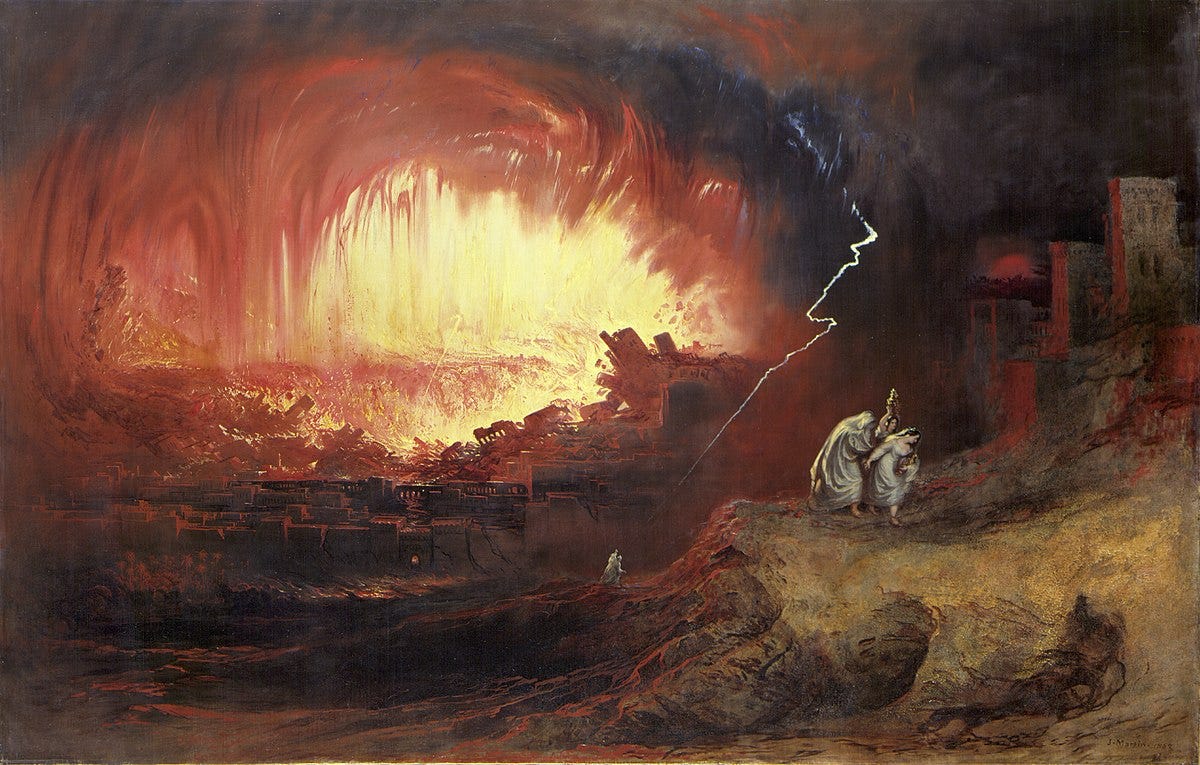
Abraham asked God bravely, even persistently, in that great negotiation over Sodom and Gomorrah. “Will you sweep away the innocent with the guilty? Suppose there are fifty… forty-five… thirty… twenty… ten…” Into each number, he pours not math, but compassion. Each question is a step closer to daring faith: a willingness to speak honestly to God even from dust and ashes.
That persistence doesn’t fade in the Church. Over centuries, saints and musicians have knocked on silence, trusting that God will hear them. St. Augustine prayed psalms not only for theological clarity, but to breathe trust into a weary heart. St. Teresa of Avila scratched psalms into the margins of her hard days in cloistered Toledo. They teach us that music, a form of sung persistence, is not an empty ritual, but an earnest cry to the Lord.
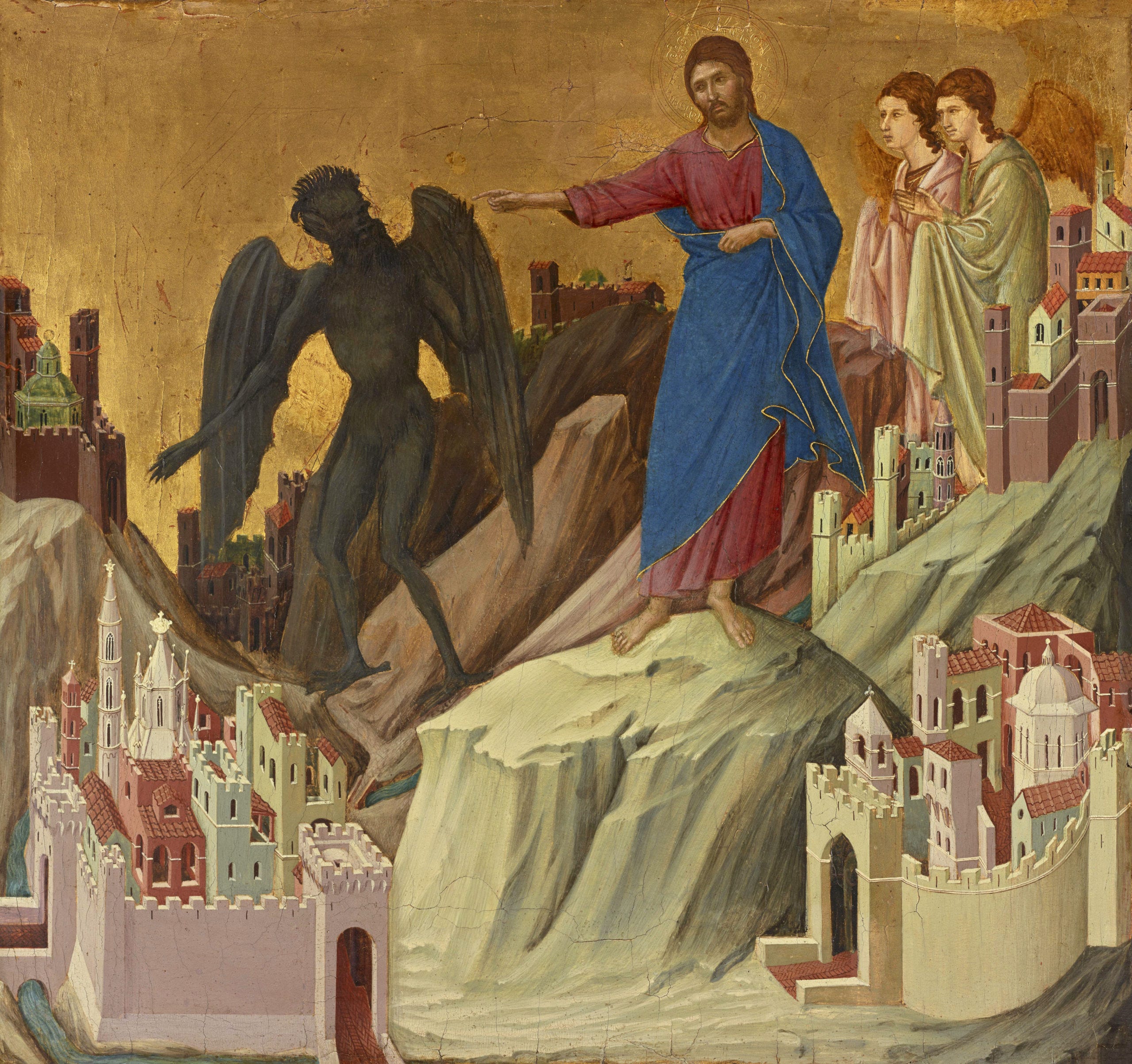
Jesus gives His disciples a prayer this Sunday: Our Father… give us each day our daily bread… forgive us… lead us not into temptation... But then He unfolds a story about a midnight visitor. The guest arrives unexpectedly. The friend comes at inconvenient hours. The only option: persistence. Knock until the door opens. Ask until the Father hears. That’s prayer: not perfunctory words, but bold supplication. It’s music too. The psalms are a litany across ages: help us, save us, forgive us—answered not by immediate spectacle, but by God gradually revealing His mercy.
Paul in Colossians reminds us how radical that mercy is. We were dead in sin; then God brings us to life, erases the debt, nailing it to the Cross. Think of the Eucharist as a song of forgiveness, of the unending love of our God. It is music born from mercy, born from our debts being forgiven, from bread broken, and life offered. As music ministers, we call this, “earthly voice to heavenly harmony.” But it’s more than a metaphor: it’s the way grace writes melodies into our weaknesses.
The Responsorial Psalm, “Those who sow in tears shall reap rejoicing,” could be our anthem. It doesn’t pretend ministry is easy. It doesn’t promise instant applause or full choirs. It acknowledges tears, sorrow, the months of sowing when no one seems to notice. But then it promises joy, harvesting beyond measure, for those who keep sowing. That’s the vineyard most of us inherit: cracked voices, empty benches, aging repertoire and volunteers. Yet we sow, we rehearse, we lift the psalm and we persist.
Abraham teaches us to persist. Jesus teaches us to pray with persistence. Paul teaches us that our frail bodies carry the treasure of Christ. David teaches us that sincere lament leads to overflowing joy. And the liturgy gives us space to bring them together, not by force or production value, but by authenticity and humility.
If you’re planning hymns this week, ask: does this music reflect persistent faith? Does it echo a cry that waits? Does it offer daily bread in melody, text, silence? And do you leave room for God to respond?
True ministry isn’t cheerleading. It’s interceding. It’s kneeling, whispering, rehearsing, repeating until perseverance becomes prayer. And sometimes, when the congregation bows their heads at communion, or joins softly in the psalm, you realize the answering knock has come. The door opens not with fanfare, but with presence.
So set your music, like Abraham, set bread under the tree. Sing your Psalms with the weight of tears. Pray the Our Father like a midnight knock. Because ministry doesn’t unfold in certainty. It unfolds in asking. Seeking. Knocking. Expecting that if we continue, the door will open—even if it takes time.
We carry that treasure in earthen vessels. But we carry it faithfully. And in that faithful asking, we become echoes of God’s mercy opening doors.
Inspiration from across the internet.
My music of the week.
1) some Mozart string quartet work
2) I like this piece for this week, it immediately came to my mind with the readings, not to mention it is by my favorite composer
General Information - Información General
Color of Vestments - Green
Color de Las Vestiduras - Verde
Song Recommendations
Entrance - Gather Your People (B. Hurd) [sheet music] [audio]
Kyrie - Missa Spei
Gloria - Missa Spei
Responsorial Psalm - Psalm 138:1-2, 2-3, 6-7, 7-8
Gospel Acclamation - Romans 8:15bc
Offertory - Seek Ye First (K. Lafferty) [sheet music] [audio]
Sanctus - Missa Spei
Mysterium Fidei - Missa Spei
Amen - Missa Spei
Agnus Dei - Missa Spei
Communion 1 - We Remember (M. Haugen) [sheet music] [audio]
Meditation - The Door (Madrigal)
Recessional - O God, beyond All Praising (THAXTED) [sheet music] [audio]
Recomendaciones de Canciones
Entrance - ¡Vengan, Cristianos (A. Córdova) [sheet music] [audio]
Kyrie - Missa Spei
Gloria - Missa Spei
Responsorial Psalm - Salmo 137, 1-2a. 2bc-3. 6-7ab. 7c-8
Gospel Acclamation - Romanos 8, 15bc
Offertory - Te Presentamos (J. A. Espinosa) [sheet music] [audio]
Sanctus - Missa Spei
Mysterium Fidei - Missa Spei
Amen - Missa Spei
Agnus Dei - Missa Spei
Communion 1 - Es Mi Cuerpo (tradicional/C. Tindley) [sheet music] [audio]
Meditation - The Door (Madrigal)
Recessional - Te Den Gracias (E. de Zayas) [sheet music] [audio]
