

Rushing the Vigil?
The Easter Vigil—Where creation, sacrifice, and baptism converge
It’s unusual to begin in the dark.
Ever since the early days of man, darkness meant danger. The light meant safety, warmth, and goodness. So it is poignant that the Church has the Vigil start outside and in the dark. Only a small flame illumines the darkness as the liturgy begins. With the people gathered round, and with the flame finally burning, the people process into the Church. Not quite triumphantly, but reverently. Then, it comes, “Lumen Christi!” And the response, “Deo gratias!” As the light of the paschal candle reaches those gathered in the Church, a remarkable sight can be seen in churches that have a balcony of some kind. The light of Christ spreads to His people, gathered in the dead of night. For it is Christ who is the light of the world and who scatters the darkness.
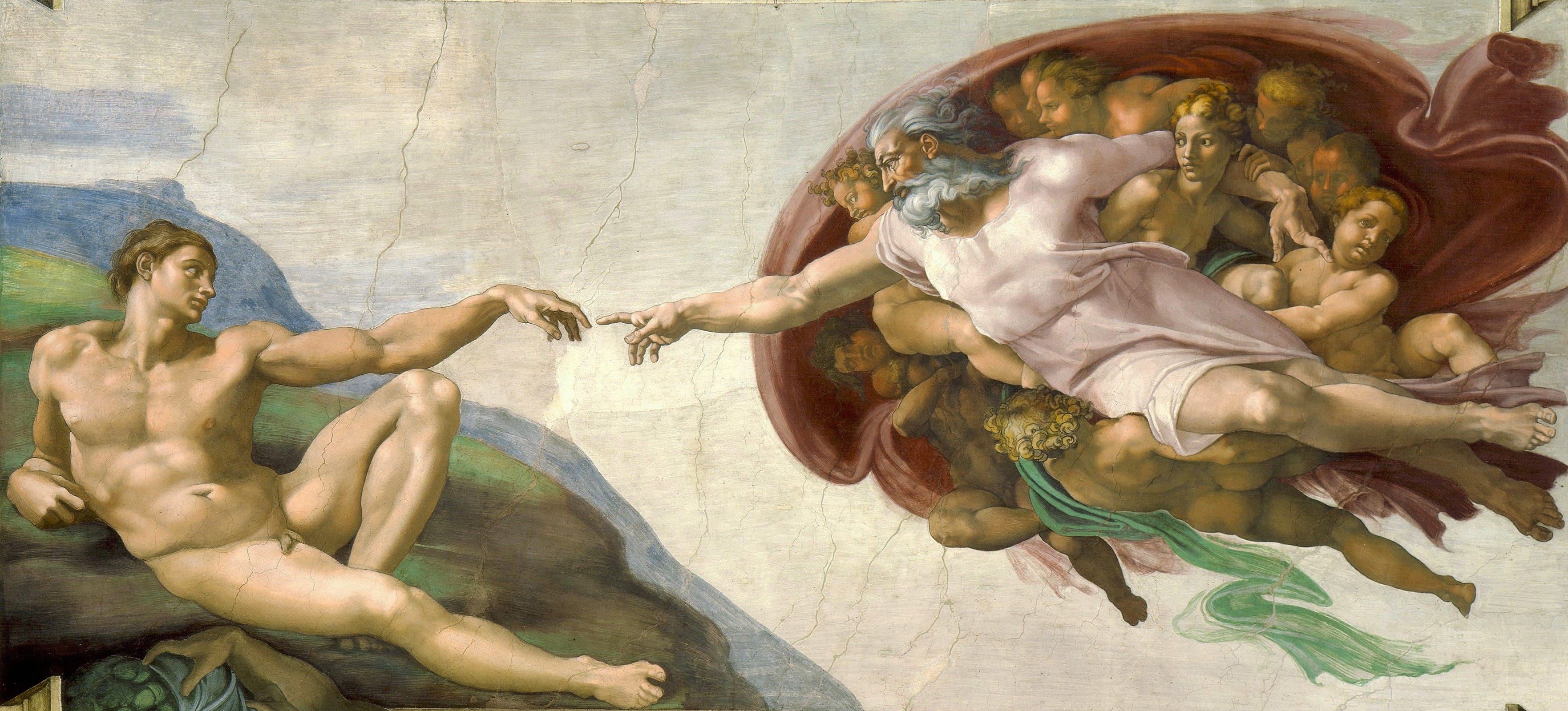
Then, we hear it, the Exsultet. A miniature sermon it itself, the deacon proclaims the reality of the assembled. The story of our salvation from the time of Adam, then continued in the readings. Here we encounter the persons of faith that shaped the way that Christ would come into this world. From creation and the fall of man, to the faith of Abraham, to the deliverance from Egypt, and the covenants and prophecies that foreshadowed a king forever. Importantly for us music ministers, we hear seven psalms that enlighten ever more each of the the selected readings.
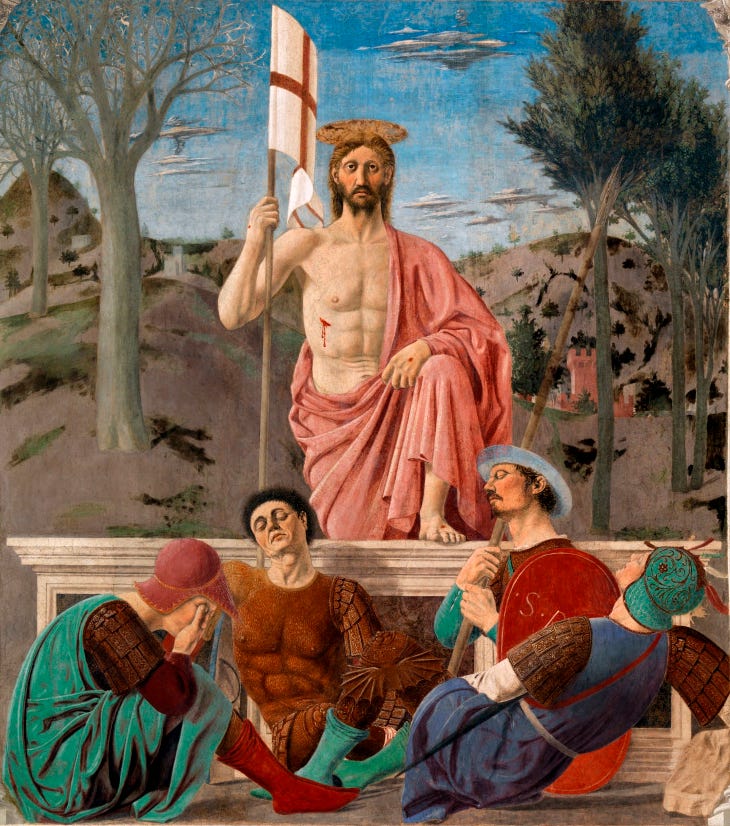
Then a great moment arrives, the return of the Gloria to the people, if done the same as the Vatican liturgies at St. Peter’s, then the momentous return of the choir and organ also. Here we find the readings shift from the history of our salvation to the realized economy of our salvation. The sacraments, our lives with Christ, and the resurrection.
Still, it is in these moments that we find the greatest perils of the Vigil liturgy for many parishes. For music ministers in particular, we must be wary to never let the music become merely functional. Other ministers must be wary to not let transitions in the liturgical action become merely logistical. Silence, especially, in these moments of the liturgy are never there to be awkward, but to be moments of formation for the people.
When we come to the end of the Vigil, with the sacraments received, new members of the faith initiated, and the Easter people renewed—we need to start asking questions. First among them, “what stirred our uncomfortability at the Vigil?” For most, it would be our default to compress. The Vigil, more than any other liturgy, shows us where we are formed in our obedience to listen to the Church. We want shorter readings, simpler music, and faster movement. Instead, what we get is a liturgy that holds our hand and walks with us. For some, this is confusing. For others, maybe even insulting? And sometimes, it has nothing to do with a lack of faith, and everything to do with a lack of formation.
Ars Musica Sacra is a reader-supported publication. To receive new posts and support our work, consider becoming a free or paid subscriber.
Feast Day Spotlight
Holy Saturday—The Great Vigil in the Night
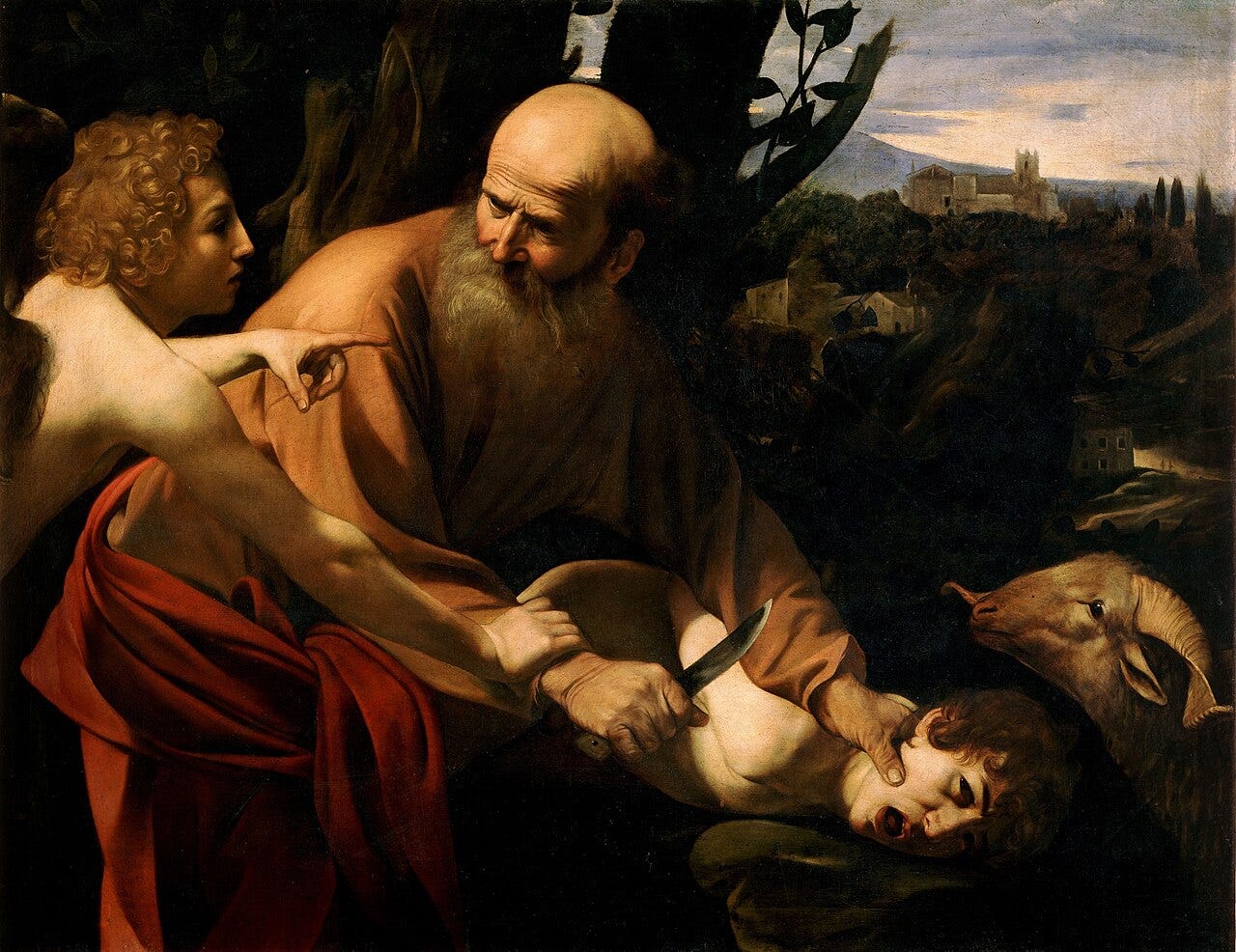
The Easter Vigil developed over centuries as the Church’s primary moment of initiation. In the early centuries, catechumens would spend years preparing for this night—culminating in Baptism, Confirmation, and Eucharist within a single liturgy.
The structure itself is theological:
The extended Liturgy of the Word reflects the Church’s conviction that salvation history must be heard in full to be understood.
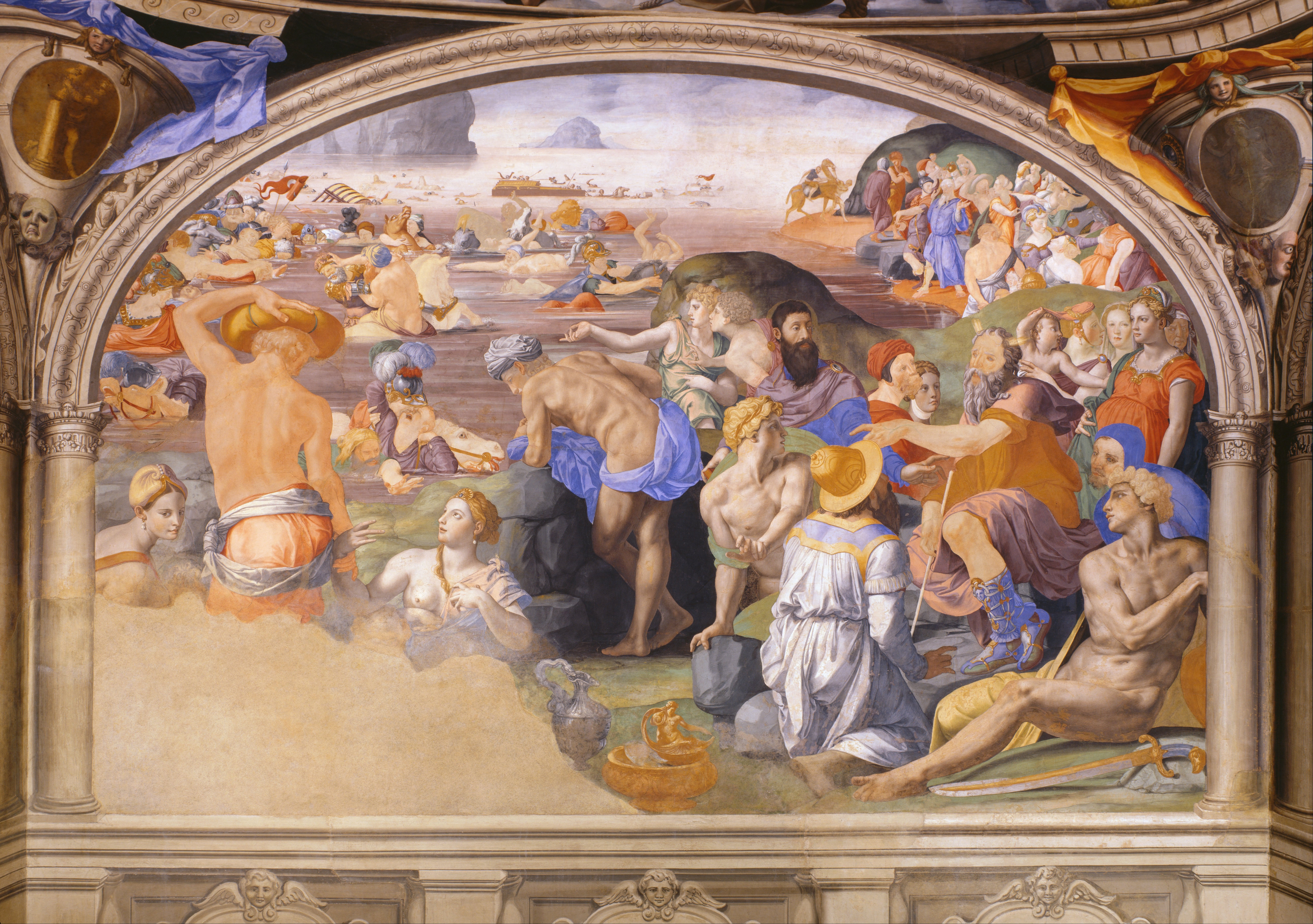
The prominence of water—both in Exodus and Baptism—reveals a consistent typology: God saves through what appears to threaten.
One of the most striking patristic insights comes from St. Augustine, who preached to the newly baptized:
“You have died, and your life is hidden with Christ in God.”
Augustine teaches us, Baptism is not symbolic cleansing—it is entry into the Paschal Mystery itself.
Share these Ars Musica Sacra insights with others for the celebration of this liturgy!
Ars Musica Sacra is supported by readers like you. Join our community and engage with other readers by sharing your thoughts and contributing to community discussions!

Have thoughts on what we shared here? Or maybe questions on some liturgy or theology points? Leave a comment and engage with other readers.