

Light Is Born Where Mercy Is Practiced
Fifth Sunday in Ordinary Time
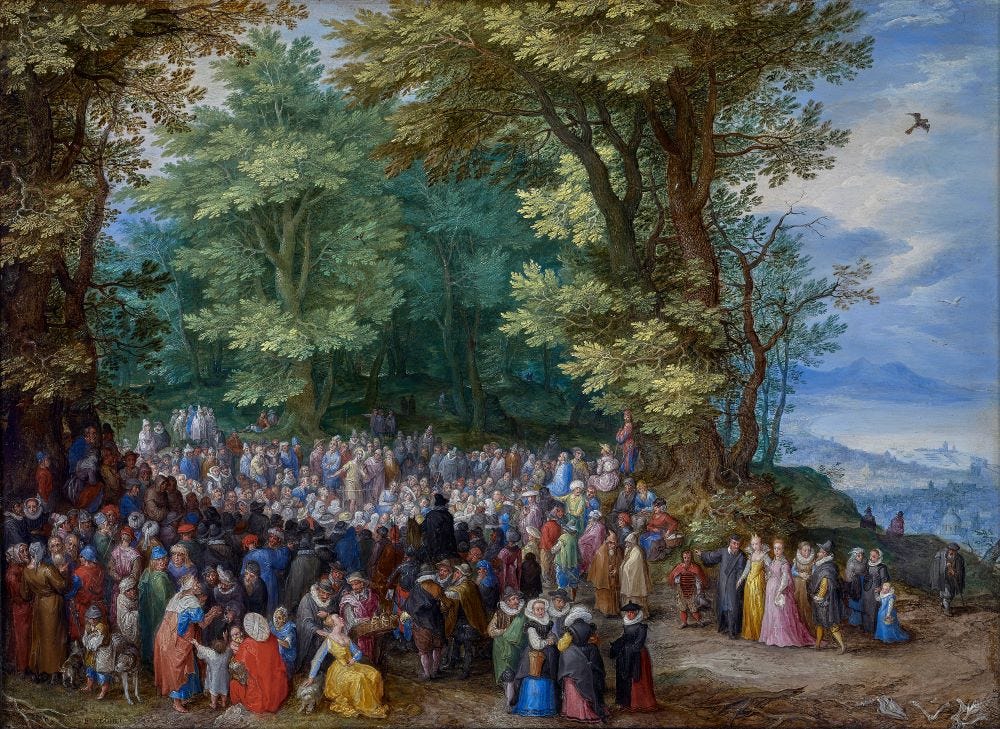
There is something quietly demanding about the way the Church places light and responsibility together this Sunday—
because Isaiah does not allow illumination to remain metaphorical, and Jesus does not permit discipleship to stay interior, insisting instead that light emerges only where bread is broken, shelter is given, speech is purified, and power is surrendered, so that what appears as moral exhortation is revealed, on closer listening, as a theology of visibility, a claim that God’s glory becomes legible in the world precisely where justice takes flesh. The prophet does not speak of radiance apart from repair, nor of dawn without wounds being tended, but binds healing, vindication, and divine presence into a single movement, promising that when the afflicted are satisfied and the hungry are fed, the Lord Himself answers the cry of His people not from a distance but with the intimate assurance, Here I am.
The psalm takes up this same logic and gives it a musical contour, describing the just person not as one who avoids darkness, but as one through whom light passes, someone whose generosity and steadiness become the medium by which God’s fidelity is made visible, whose heart remains firm not because circumstances are stable but because trust has been trained over time. This is not accidental piety; it is practiced righteousness, formed slowly through habits of mercy, where justice endures not as an abstract principle but as a pattern of life that resists fear and refuses concealment.
Paul, writing to Corinth, sharpens the focus even further by stripping away every temptation toward spiritual performance, confessing that the Gospel was first proclaimed not through eloquence or persuasion but through weakness and trembling, so that faith would rest not on technique or charisma but on the disruptive power of God Himself. In doing so, he exposes a perennial danger for ministers of the Word and of music alike: the quiet substitution of effectiveness for faithfulness, the desire to shine convincingly rather than to disappear into the mystery being proclaimed. Paul does not reject beauty or clarity; he rejects self-reliance, insisting that Christ crucified remains the content and the measure of all proclamation, even—and especially—when it feels insufficient by human standards.
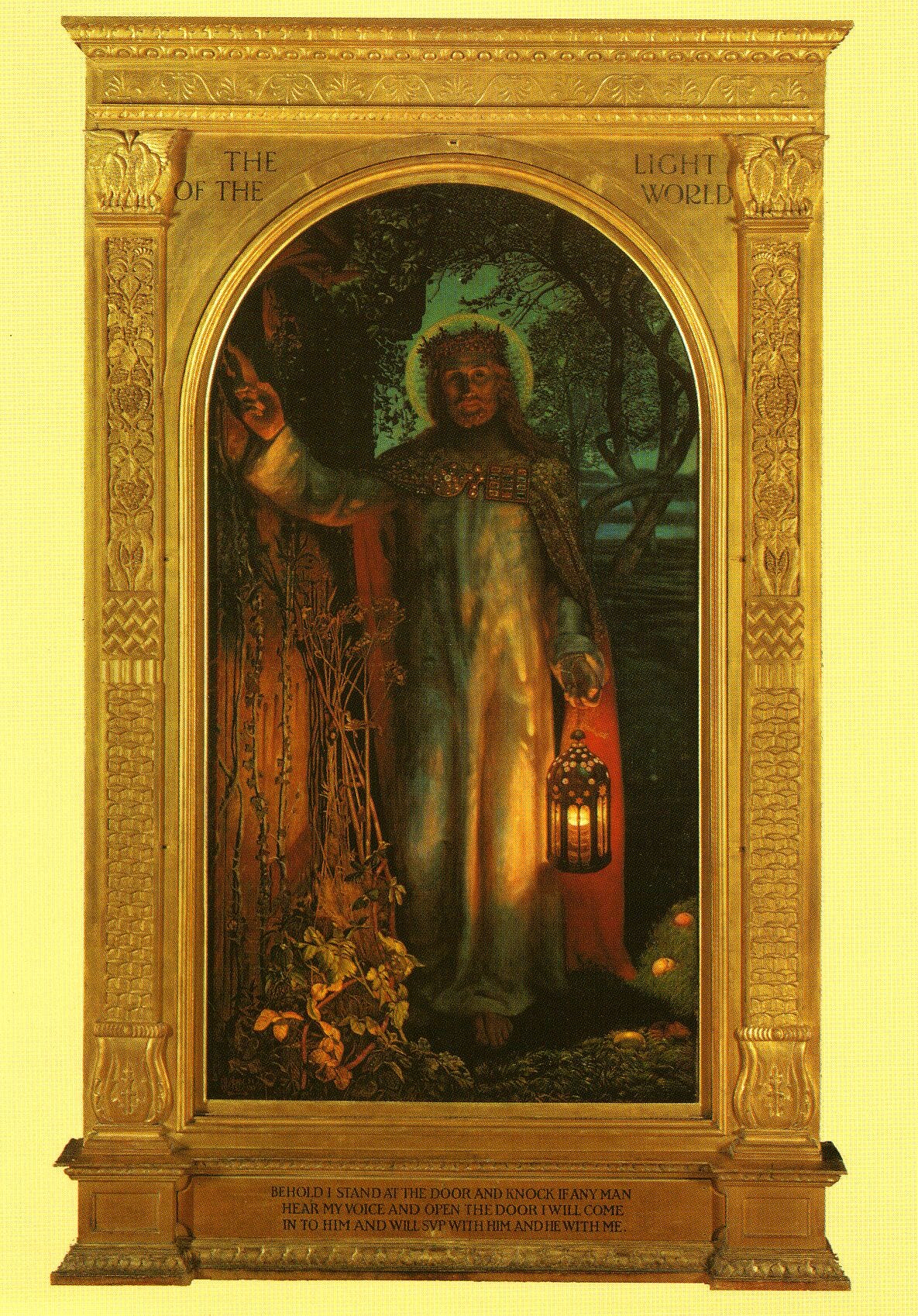
It is within this cruciform logic that Jesus speaks His words about salt and light, not as poetic encouragement but as vocational truth, naming His disciples as elements that only matter insofar as they are expended, scattered, placed where they do not draw attention to themselves but change the environment around them. Salt that preserves itself loses its purpose, and light that protects itself becomes darkness, because both exist only to be given away. The city on the hill is not elevated for admiration but for orientation, not to be praised but to be followed, and the lamp is lifted precisely so that others may see not the lamp, but the deeds that glorify the Father who placed it there.
For those entrusted with sacred music and liturgical leadership, this Sunday quietly reframes excellence itself, reminding us that beauty divorced from charity becomes noise, and clarity detached from sacrifice becomes spectacle. St. Gregory the Great warned that those who preach or sing without living what they proclaim “kill with the sword of their tongue,” a sobering reminder that liturgical ministry is not validated by sound alone but by coherence between voice and life. Likewise, Musicam Sacram insists that sacred music must serve the rite and foster participation not merely externally but interiorly, forming a people whose prayer reshapes how they live once the final note fades.
This is why Isaiah’s promise remains so unsettling and so hopeful: that light rises after bread is shared, after speech is purified, after oppression is removed, revealing that the Church does not generate light through visibility strategies or aesthetic force, but receives it through obedience, through the slow, costly alignment of worship and mercy. When sacred music participates in this logic—when it refuses to hide the lamp under performance anxiety or institutional fear—it becomes what it has always been meant to be: not an adornment to the Gospel, but a witness to it, a sound shaped by the same self-giving that makes the Church credible in the first place.
Ars Musica Sacra is a reader-supported publication. To receive new posts and support our work, consider becoming a free or paid subscriber.
Feast Day Spotlight
Color of Vestments
GreenLiturgical Note
Liturgically, this Sunday completes the arc begun with the Beatitudes, moving from interior disposition to public consequence, reminding the Church that holiness matures in visibility, not spectacle. The disciple’s life becomes a sign only when belief and action converge.Historical / Theological Insight
St. Hilary of Poitiers taught that the Church shines “not by her own brilliance, but by reflecting Christ,” a reminder that derivative light requires constant alignment. Likewise, Gaudium et Spes insists that the credibility of the Church’s witness depends on the integrity of her lived charity, particularly toward the poor and afflicted—precisely the measure Isaiah sets before us.Why This Matters for Sacred Music
This Sunday asks ministers to tap into the elemental natures of their ministry, and to remember that their public implementation of their ministries are witness to the Church.
Share these Ars Musica Sacra insights with others for the celebration of this liturgy!
Inspiration from across the internet.
→ have you ever heard the story of the “ice king”?
My music of the week.
Ars Musica Sacra is supported by readers like you. Join our community and engage with other readers by sharing your thoughts and contributing to community discussions!

Have thoughts on what we shared here? Or maybe questions on some liturgy or theology points? Leave a comment and engage with other readers.