

Fourth Sunday in Ordinary Time
Blessed Are the Unimpressive: When the Kingdom Reorders Everything
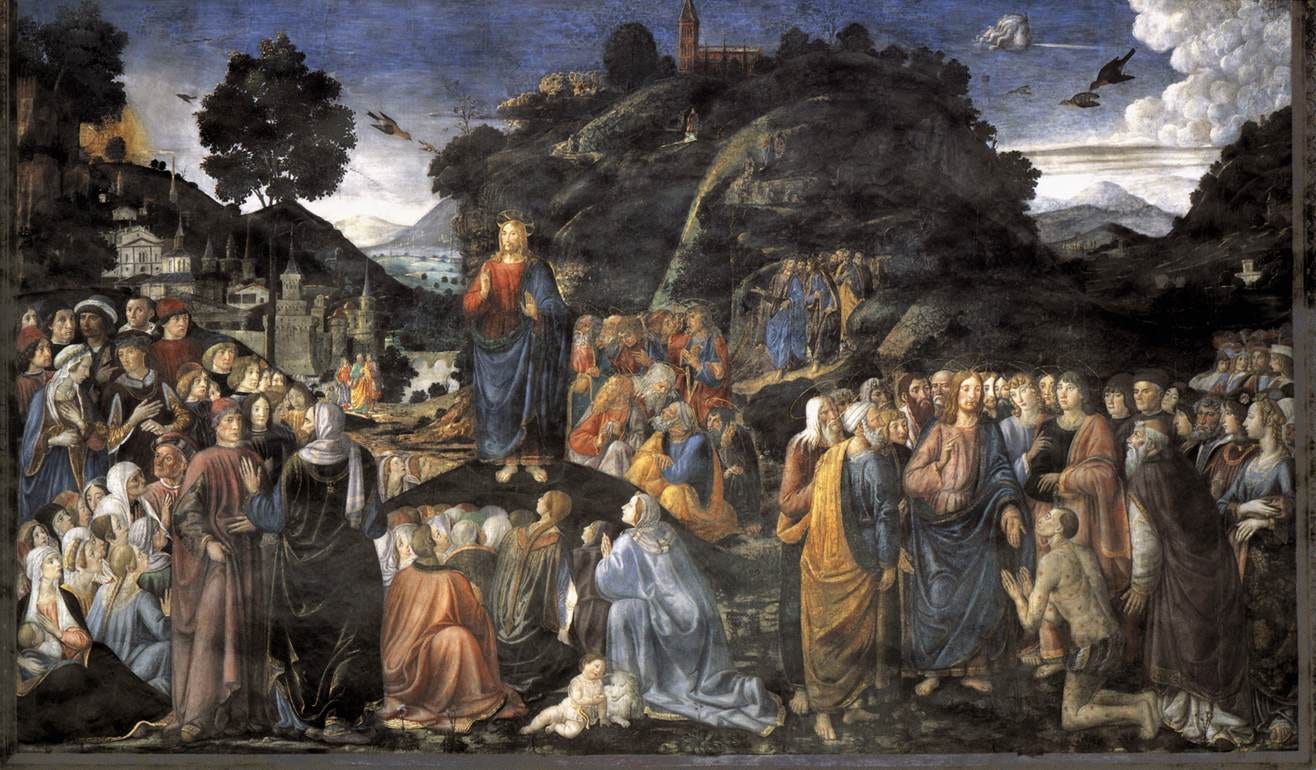
There is something almost unsettling about the way Jesus begins His public teaching—
not with commands, not with explanations, not even with a clear program for reform, but with a series of blessings that sound, at first hearing, like contradictions. He ascends the mountain, takes the posture of a rabbi, gathers His disciples close, and then names as blessed those the world has already written off: the poor in spirit, the meek, the mourners, the hungry, the persecuted. This is not rhetorical flourish. It is a reordering of reality, spoken calmly and without apology, as though Jesus expects His listeners to accept that the Kingdom of Heaven operates by a gravity altogether different from the one they have learned to obey.
Zephaniah prepares us for this reversal by narrowing the focus of salvation down to what remains after pride has burned itself out. The prophet does not envision a triumphant remnant marked by strength or influence, but a people “humble and lowly,” whose refuge is not their strategy or status but the Name of the Lord. This remnant does not seize control; it dwells, pastures, rests—language of quiet fidelity rather than conquest. The judgment of God, Zephaniah suggests, is not only about what is destroyed, but about what is left standing once every false support has collapsed.
The psalm gives voice to that remnant’s confidence, not as naïve optimism but as hard-won trust. The Lord keeps faith forever, raises those who are bowed down, feeds the hungry, protects the stranger—verbs that describe a God who is consistently oriented toward those with the least leverage. To sing this psalm is not to make a general statement about divine goodness; it is to align oneself publicly with the priorities of God, to confess that the Church’s praise cannot be separated from the God who chooses the poor as His first witnesses.
Paul presses the point further, and with less poetry. “Consider your own calling,” he writes, dismantling any illusion that the Church’s credibility rests on competence, pedigree, or cultural authority. God chooses what is weak not as a temporary measure, but as a permanent strategy, so that no one may boast except in the Lord. For ministers of the Gospel—especially those entrusted with its public proclamation through word and song—this is both liberating and deeply uncomfortable. It means that effectiveness is not measured by polish alone, and that humility is not a personality trait but a theological necessity.
When Jesus finally speaks the Beatitudes themselves, He does so without commentary, as though blessing were something that could be named and released into the air, allowed to do its work slowly and irrevocably. The poor in spirit are not congratulated for their lack, but welcomed into possession of the Kingdom. Those who mourn are not rushed toward consolation, but promised it. The meek are not told to become assertive, but assured that the earth itself will be entrusted to them. This is not moral advice; it is eschatological truth spoken ahead of time, forming a people capable of living toward what they do not yet see.
For the Church’s musicians and priests, this Sunday places a quiet but exacting question at the heart of liturgical ministry: does our worship make room for this kind of blessedness, or does it unconsciously reward its opposite? Sacred music, after all, has the power either to reinforce worldly hierarchies—virtuosity, control, visibility—or to school the assembly in the humility that the Beatitudes require. St. Thérèse of Lisieux understood this instinctively when she spoke of choosing the “little way,” insisting that holiness consists not in grand gestures but in small, hidden acts of love offered without self-importance. Her spirituality, though rarely associated with liturgical planning, exposes the same logic that governs the Beatitudes: God does His greatest work in what the world barely notices.
The Church’s teaching echoes this wisdom. Dei Verbum reminds us that revelation is received not through mastery but through obedience of faith, a posture of listening that precedes speaking or singing. More recently, Sing to the Lord emphasizes that sacred music is ministerial before it is artistic, ordered toward the sanctification of the faithful and the glorification of God rather than the affirmation of individual skill. When music grows out of this humility, it does not diminish beauty; it purifies it, allowing sound itself to become poor in spirit—transparent, receptive, and oriented toward something greater than itself.
Perhaps this is why the Beatitudes remain so difficult to absorb. They do not flatter our instincts for efficiency or recognition, and they resist being turned into aesthetic themes. They ask instead for conversion: of taste, of expectation, of what we secretly believe makes ministry successful. And yet, for those willing to remain on the mountain long enough to listen, they also offer a promise—that the Kingdom is already breaking in wherever humility, mercy, and hunger for righteousness are allowed to shape the Church’s prayer.
To sing on this Sunday, then, is not to decorate the Gospel but to consent to it, to let the Church’s voice be formed by the same logic that formed the saints, the same logic that leaves behind a remnant humble enough to take refuge in the Lord alone. And in a world that prizes strength, speed, and spectacle, that kind of music may be the most quietly revolutionary sound the Church can offer.
Ars Musica Sacra is a reader-supported publication. To receive new posts and support our work, consider becoming a free or paid subscriber.
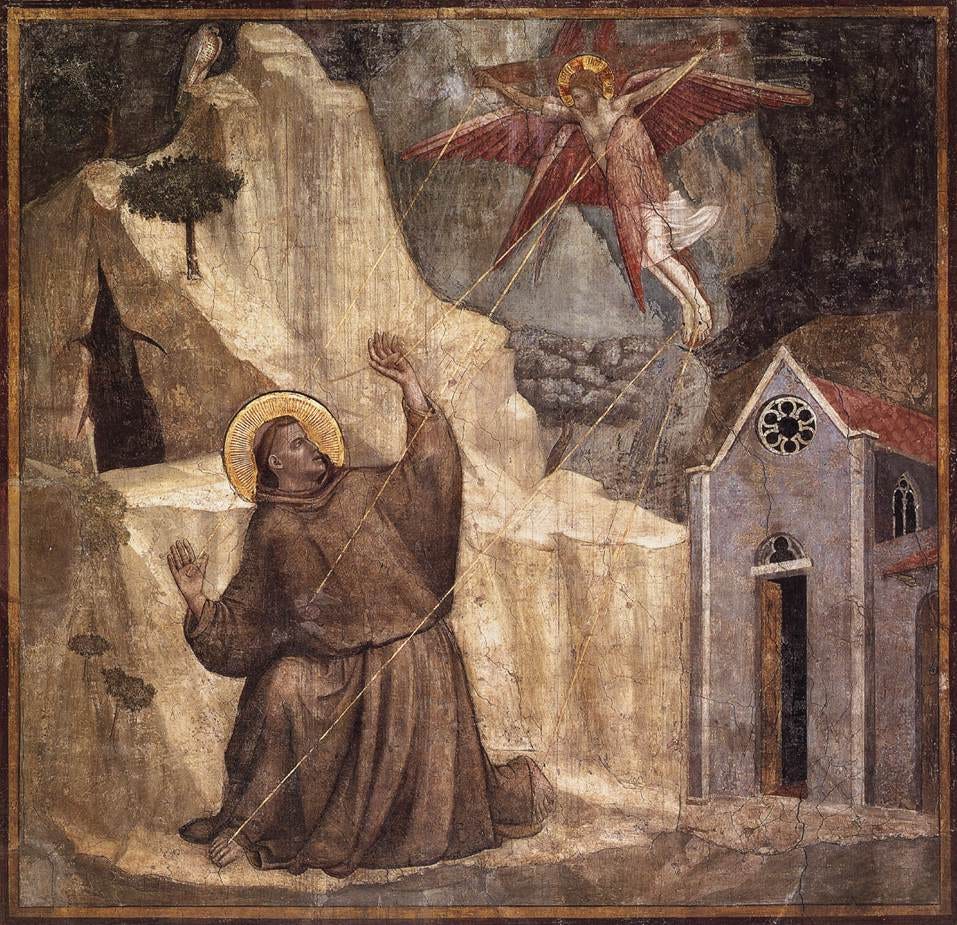
Feast Day Spotlight
Color of Vestments
GreenLiturgical Note
This Sunday places the Beatitudes at the heart of Ordinary Time, reminding the Church that holiness is not reserved for extraordinary moments but is meant to shape ordinary Christian life. Historically, the Beatitudes were understood as a kind of spiritual charter; St. Leo the Great taught that they describe not isolated virtues, but a unified path by which the faithful are conformed to Christ Himself.Historical / Theological Insight
Theologically, the Beatitudes reveal the interior logic of the Kingdom: humility precedes exaltation, mercy unlocks vision, and persecution becomes participation in Christ’s own life. The Catechism affirms this by presenting the Beatitudes as fulfilling the promises made to Israel and orienting human action toward heaven, while remaining firmly rooted in concrete love of neighbor.Why This Matters for Sacred Music
For ministers, this Sunday is a reminder that liturgical formation is inseparable from moral and spiritual formation. The Church does not sing the Beatitudes to admire them, but to learn how to live them together.
Share these Ars Musica Sacra insights with others for the celebration of this liturgy!
Inspiration from across the internet.
→ if you know me, then you know that I am a stationery nerd, here was my little find of the week
My music of the week.
Ars Musica Sacra is supported by readers like you. Join our community and engage with other readers by sharing your thoughts and contributing to community discussions!

Have thoughts on what we shared here? Or maybe questions on some liturgy or theology points? Leave a comment and engage with other readers.