First Sunday of Advent
Advent Does Not Ask Us to Wait Patiently, but to Stay Awake Faithfully
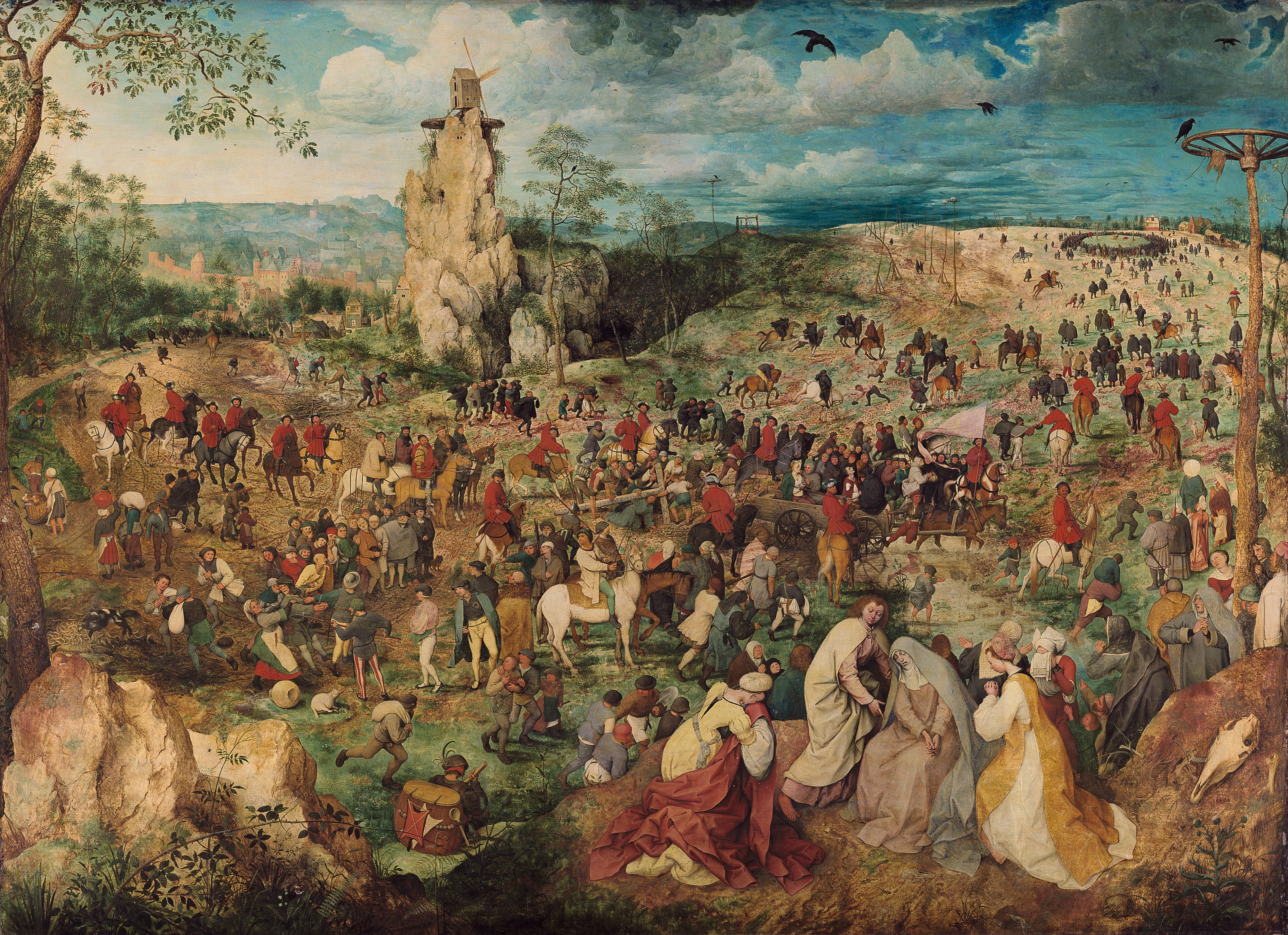
There is something bracing about the Church beginning her year not with sentiment, but with summons, not with nostalgia, but with a road unfolding before us—
Isaiah does not invite us to reminisce about Zion, but to climb it, to move our bodies and wills toward the mountain of the Lord that rises above every other claim on our allegiances, drawing not a single nation or chosen few, but all peoples into its gravity, as though history itself were slowly inclining toward worship. Advent opens, then, not with a lullaby but with a vision, and the vision is architectural, almost musical in its structure: a house established, a people streaming, instruction going forth, swords reshaped into tools that cultivate rather than destroy. It is a future tense that demands a present conversion.
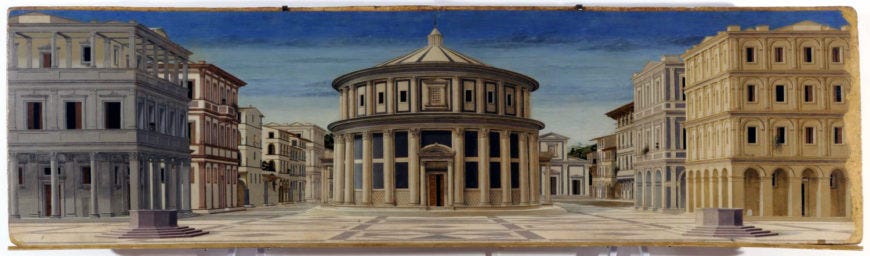
The psalmist answers Isaiah’s prophecy not with speculation but with joy that has found its direction. “I rejoiced because they said to me, ‘We will go up to the house of the Lord,’” not because arrival is guaranteed or the road effortless, but because the invitation itself is grace. Jerusalem is praised not merely for its beauty but for its unity, its ordered harmony, its capacity to gather tribes without erasing their difference—a city whose peace depends upon justice, whose music depends upon truth. For those entrusted with shaping the Church’s sung prayer, this is not incidental. The liturgy is not a private devotion amplified, but a public act of ordered praise, a city of sound built week by week from psalms, antiphons, and acclamations that teach the faithful how to desire God together.
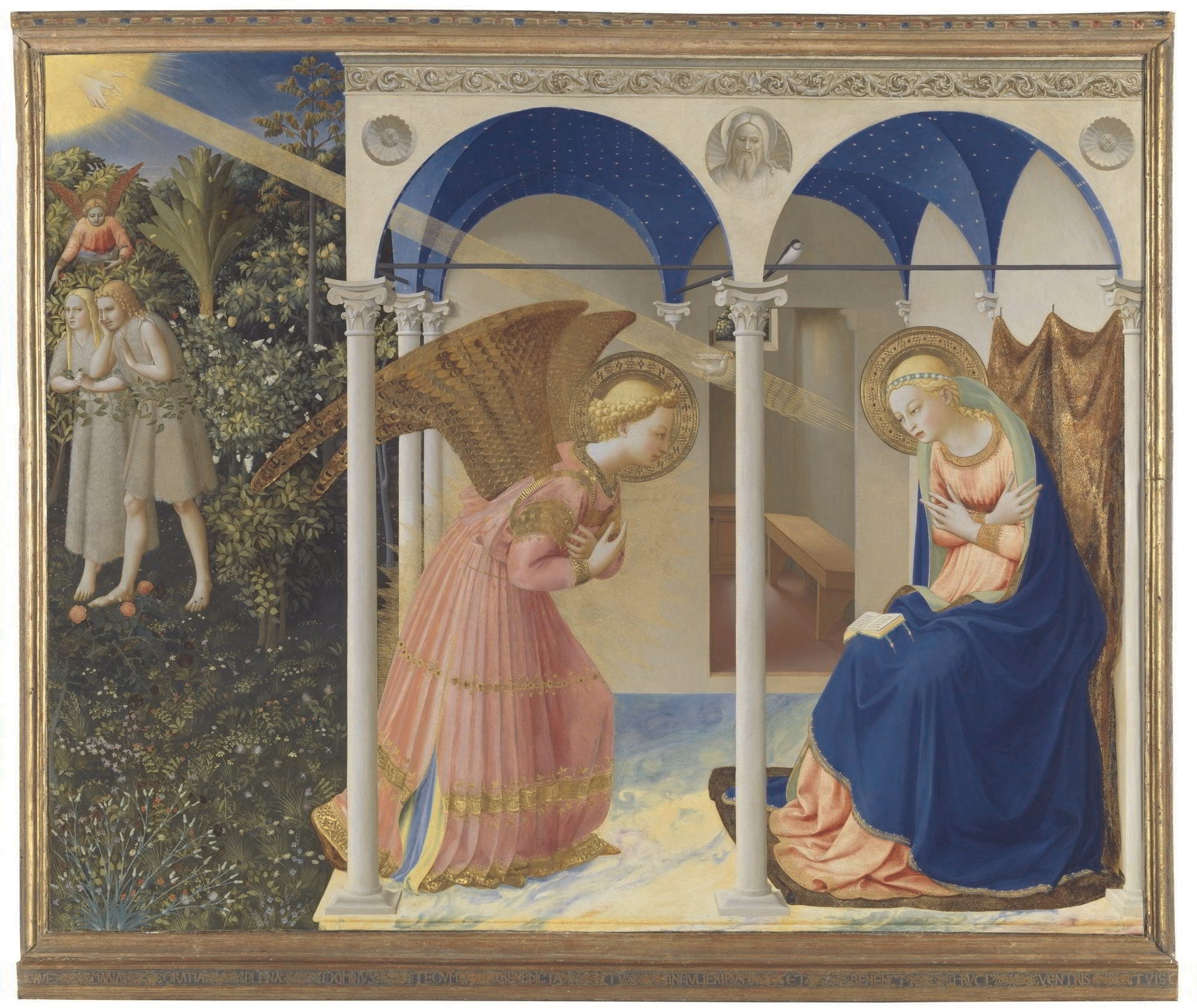
Paul sharpens the tone with an urgency that resists every temptation to treat Advent as decorative waiting. “You know the time,” he insists, as though to say that ignorance is no longer an excuse; salvation is nearer now, and therefore sleep is no longer innocent. To put on the armor of light is not simply to avoid scandalous sin, but to let Christ clothe even our habits, our instincts, our preferences, so that nothing in us remains untouched by His coming. For the minister of music, this exhortation is quietly demanding: it asks whether our repertoire awakens or anesthetizes, whether it trains vigilance or reinforces spiritual drowsiness, whether it helps the Church conduct herself “as in the day,” or allows her to linger comfortably in twilight.
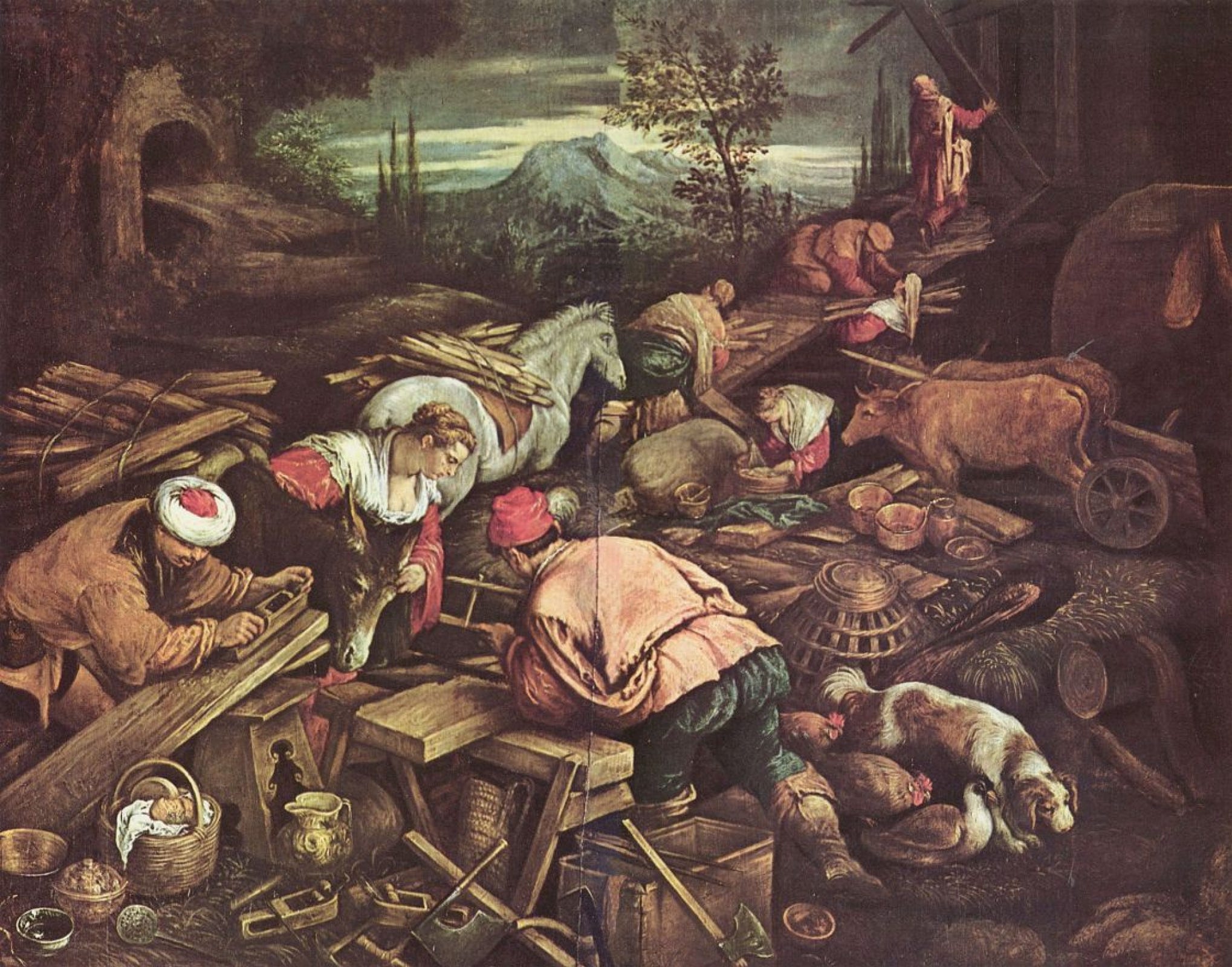
The Gospel presses the question further, refusing to tell us when the Lord will come, precisely so that we must attend to how we live while He delays. Jesus describes a world absorbed in ordinary rhythms—eating, drinking, marrying—not because these things are sinful, but because they can be lived without reference to God, insulated from expectation, closed to interruption. The tragedy of Noah’s generation is not immorality but unawareness, a failure to read the signs of the times until the waters were already rising. Advent, then, is the Church’s annual refusal of spiritual distraction, her insistence that even the most ordinary human actions must be lived with an ear tuned toward the approaching footsteps of the Son of Man.
Within this tension, sacred music takes on its distinctly Advent character. It is not yet the fullness of Christmas praise, but neither is it silence; it is watchfulness expressed in sound, restraint shaped into hope. The ancient tradition of the Church understood this well. St. Gregory the Great, whose name remains bound to the chant that still bears his influence, taught that sacred song should conform the soul to the season, bending desire toward what is coming rather than indulging what is already familiar. Advent chant, spare and yearning, does not resolve too quickly, because it knows the Church herself is unresolved, standing between promise and fulfillment.
The Church’s magisterium echoes this wisdom with pastoral clarity. In Musicam Sacram, the instruction on music in the liturgy, sacred music is described as serving the “sanctification of the faithful” precisely insofar as it draws them into conscious, active participation—not mere activity, but attentiveness, an interior readiness to receive what God is doing now. In Advent, that sanctification is inseparable from vigilance. Music that rushes prematurely to triumph risks dulling the very edge the season is meant to sharpen; music that waits, listens, and longs teaches the Church how to stay awake.
And so this first Sunday of Advent places before musicians and priests a quiet but demanding task: to help the Church walk in the light of the Lord before that light is fully revealed, to sound a call that is neither alarmist nor complacent, but steady, luminous, and true. Every psalm tone, every entrance chant, every restrained organ registration becomes part of the Church’s collective posture of readiness, a way of saying with our bodies and voices what our calendars already know—that the Lord is coming, and that to be found awake is itself an act of love.
Feast Day Spotlight
Color of Vestments — Violet
First Sunday of Advent — The Church Begins Again
The First Sunday of Advent marks not only the opening of a new liturgical season, but the beginning of the Church’s year itself—a quiet reminder that Christian time is not cyclical repetition, but sanctified expectation. Historically, Advent developed as a season of preparation shaped by both penance and hope, especially in the churches of Gaul and Rome, where it functioned as a school of vigilance, training the faithful to live with eschatological awareness rather than spiritual familiarity.
Theologically, Advent holds together Christ’s already and not yet: He has come in the flesh, He comes now in Word and Sacrament, and He will come again in glory. This threefold coming is articulated clearly in the Roman Missal’s Advent collects, which repeatedly ask that we may “run forth to meet Christ with righteous deeds,” revealing that waiting, in the Church’s mind, is always active.
St. Bernard of Clairvaux captured this dynamic when he wrote of the “middle coming” of Christ—His daily arrival in the soul—an arrival discerned only by those who are attentive and awake. The liturgy of Advent, especially in its restrained musical language, exists to sharpen that attentiveness, forming ministers and faithful alike into a people who recognize the Lord not only at the end of time, but in the present hour.
In this way, the First Sunday of Advent does not ease us into the year—it calls us to readiness, to ordered longing, and to a music that teaches the Church how to hope without sleeping, and to wait without standing still.
Inspiration from across the internet.
My music of the week.