

Filling the Church while Missing the Cross
Palm Sunday of the Lord’s Passion—The liturgy that refuses to let us stay at the surface
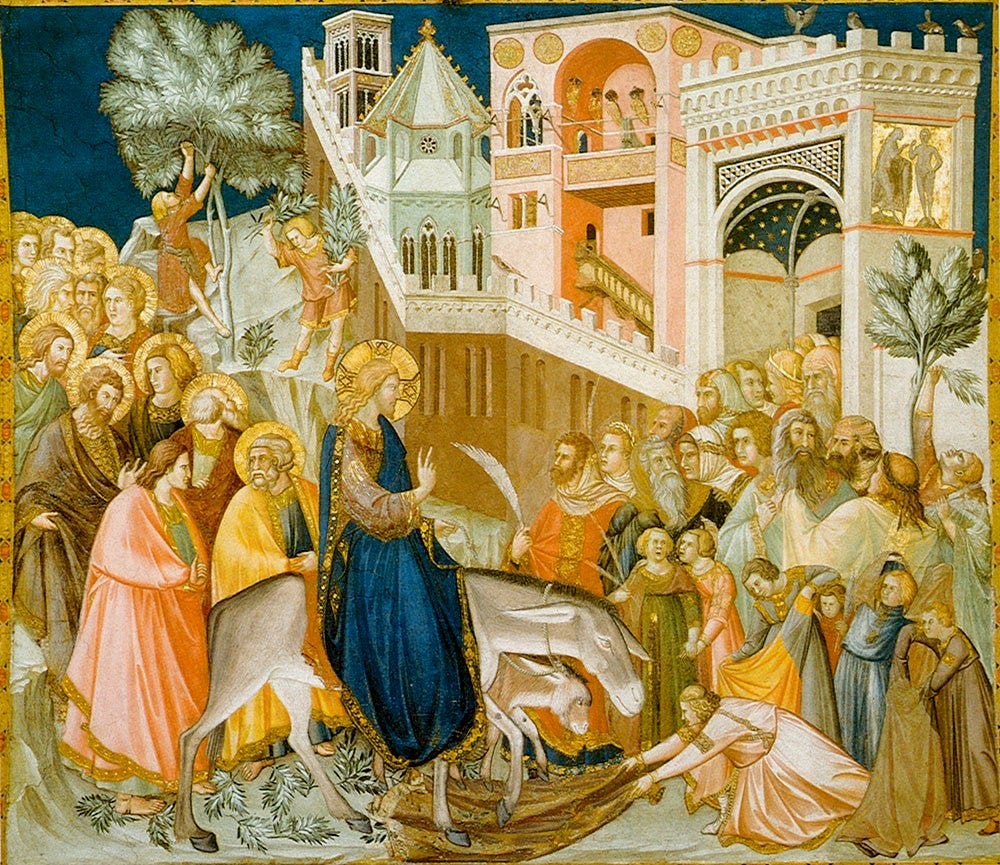
The procession begins with energy.
Children holding their palms tightly.
Music ministers seeing if they can stay on the right pitch together outdoors and at a distance.
And most importantly, people smiling—because finally, the Church feels alive again.
“Hosanna in the highest!” rings from the ministers.
And for a moment, it works.
The Church feels full, engaged, almost elated.
And then, without warning, the tone shifts.
The same voices that cried out in praise are handed new words:
“Crucify him!” The Spanish is even more jaunting, “Crucifícalo!”
When a congregation says it for the first time, it is nearly always a quite murmur.
But then, it becomes clear. Some even shout.
Yes, the assembly is doing as they are meant. Still, something deeper becomes exposed in this moment.
Palm Sunday does not allow us to remain in admiration.
It forces a confrontation.
The same crowd that recognizes Christ as king cannot endure the kind of kingship he reveals. A king who rides not in triumph, but in meekness. A king who does not grasp at power, but empties himself—μορφὴν δούλου λαβών—taking the form of a slave.
The Church does not present these as two different groups: the crowd at the entrance and the crowd at the trial.
Liturgically, they are one voice.
Our voice.
Isaiah’s servant sets his face like flint.
The Psalm gives us the cry of abandonment.
Philippians reveals the inner logic: descent before exaltation.
And the Passion makes it concrete.
More than a liturgical narrative, we have present revelation.
The human heart can recognize God—and still, it rejects the way He chooses to save.
This is where many parishes quietly struggle.
Because it is possible to build an entire musical and liturgical culture around the Hosanna—energy, accessibility, engagement—while instinctively avoiding the Crucify him.
We prefer music that resolves quickly.
Texts that reassure.
Moments that feel successful.
But our liturgies this week will show us that it is not always possible to resolve. Sometimes, we must be willing and able to stretch out beyond our beliefs.
Our liturgies will linger in betrayal, silence, accusation, and abandonment.
They demand a different kind of participation—not immediate enthusiasm, but endurance.
And that changes everything about how we prepare.
It means:
Choosing music that can carry weight, not just momentum
Allowing silence to do real theological work
Forming singers who understand that beauty is not always consoling
Teaching the assembly, over time, how to remain when the liturgy becomes difficult
Because without that formation, something predictable happens:
We unintentionally train people to follow Christ only as far as the procession.
Not to the Cross.
There is a reason the Passion is proclaimed, not summarized.
A reason the Church gives it time, space, and unembellished clarity.
Because transformation does not happen through occasional intensity; it happens through sustained exposure to the full pattern:
praise
betrayal
suffering
silence
obedience
and only then—glory.
This cannot be improvised in a single week.
It requires memory, and it requires repetition. A kind of liturgical patience that most communities have never been taught to practice.
Not because they resist it, but because no one has shown them how.
By the end of the liturgy, there is no final uplift.
No musical resolution that ties everything together.
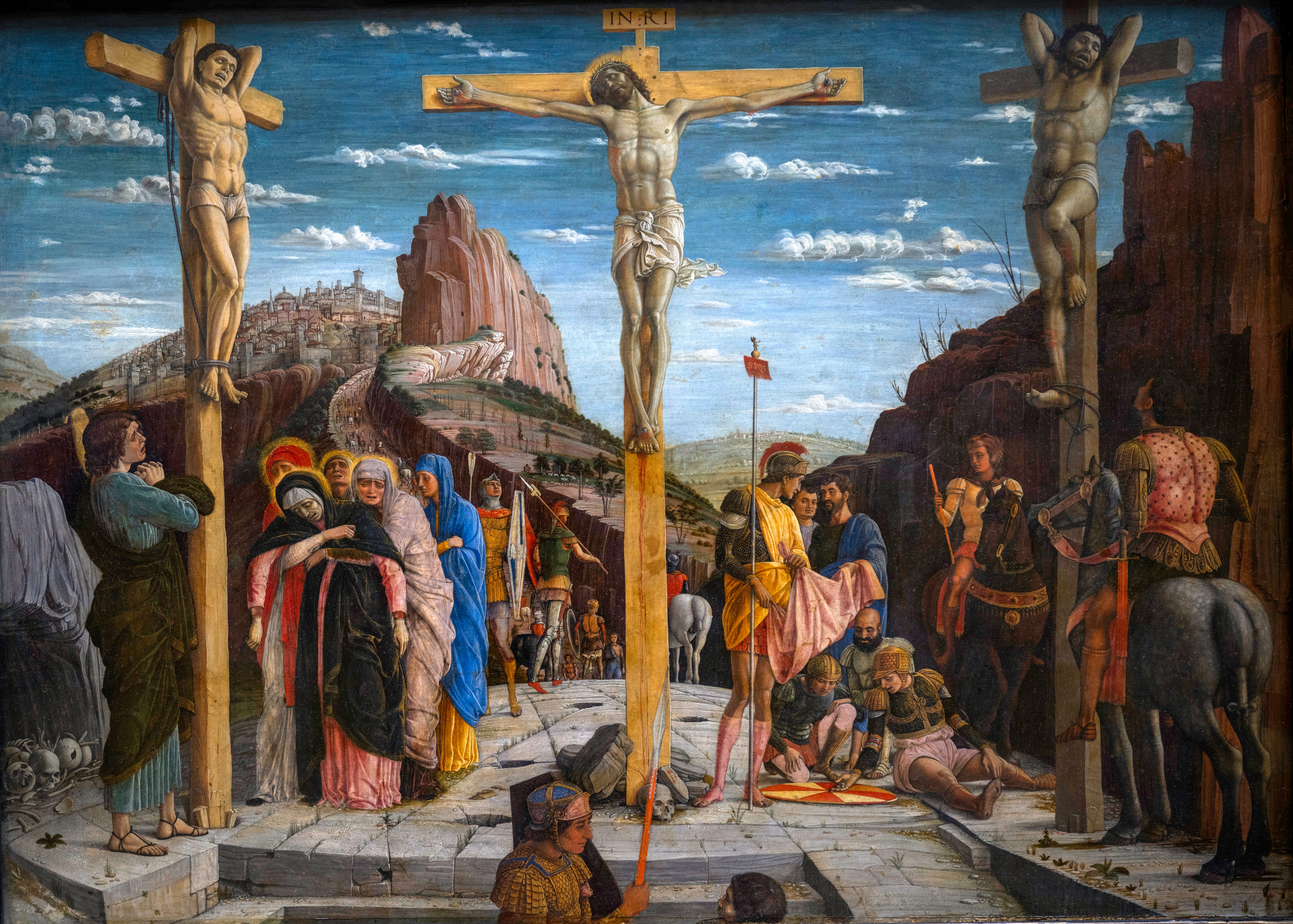
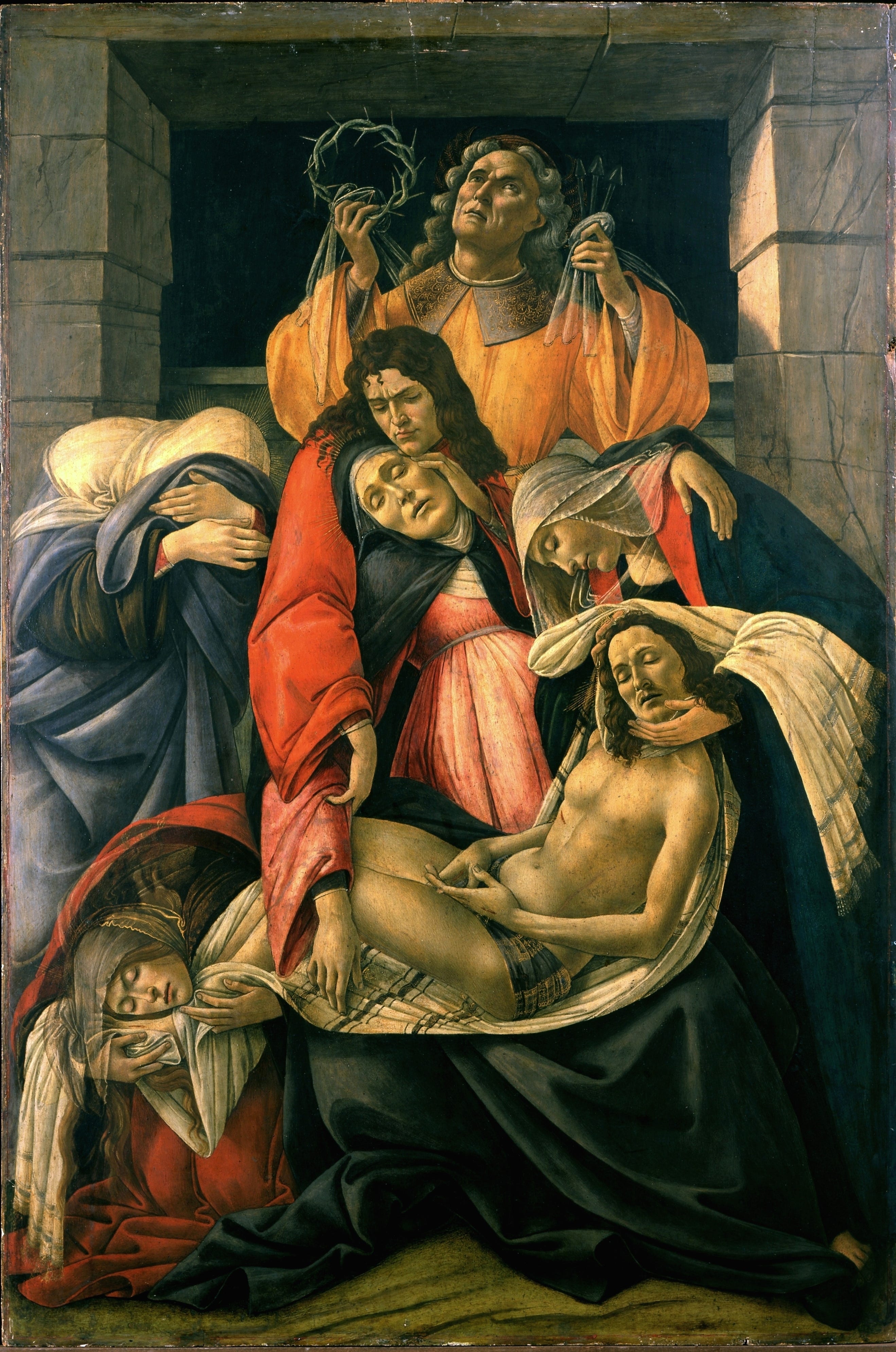
Only a body placed in a tomb.
And a Church that is asked to stay.
That is the work now.
Not to fix the tension.
Not to soften it.
But to remain long enough for it to form us.
Ars Musica Sacra is a reader-supported publication. To receive new posts and support our work, consider becoming a free or paid subscriber.
Feast Day Spotlight
Palm Sunday of the Lord’s Passion
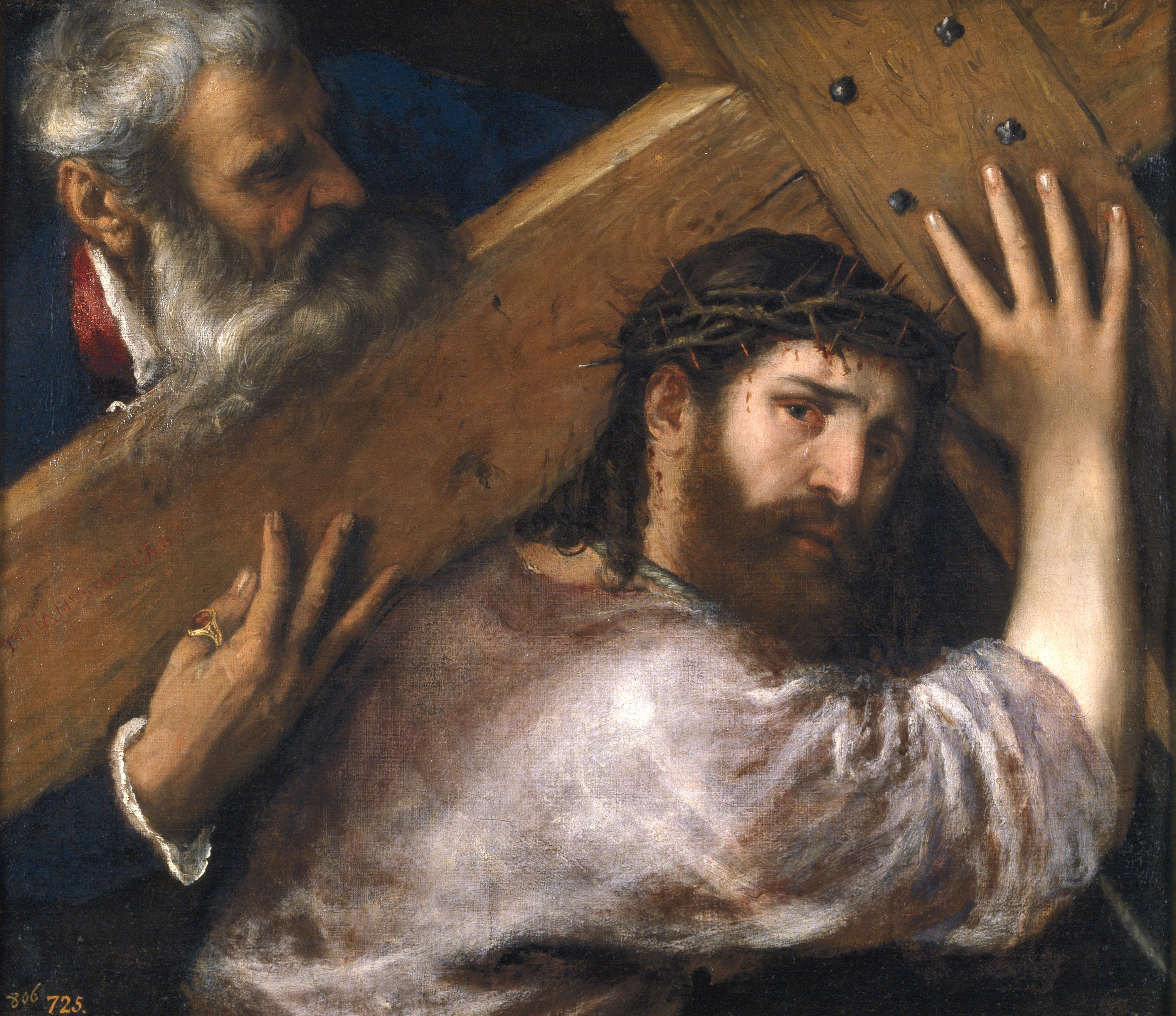
Palm Sunday holds together two movements that the human heart instinctively separates: triumph and suffering. Historically, the Jerusalem liturgies of the early Church already preserved this tension—beginning with a joyful procession and culminating in the solemn proclamation of the Passion.
Theologically, this is not contrast for its own sake. It reveals the nature of Christ’s kingship: not imposed, but received through obedience unto death.
A precise articulation of this appears in the Church’s liturgical tradition:
“Christ’s whole life is a mystery of redemption… by his obedience unto death.”
— Catechism of the Catholic Church, 517
The liturgy does not merely recount this obedience. It draws the Church into it.
Share these Ars Musica Sacra insights with others for the celebration of this liturgy!
Ars Musica Sacra is supported by readers like you. Join our community and engage with other readers by sharing your thoughts and contributing to community discussions!

Have thoughts on what we shared here? Or maybe questions on some liturgy or theology points? Leave a comment and engage with other readers.