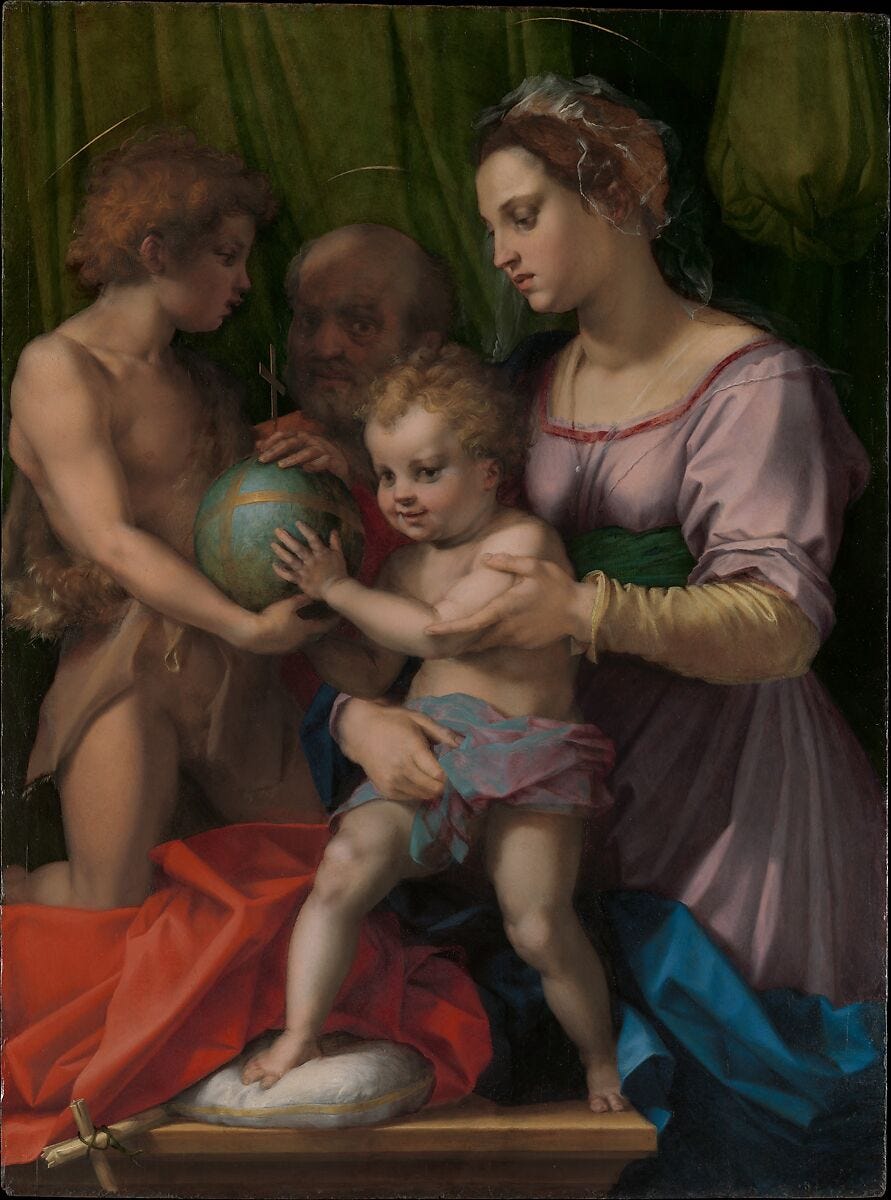
Feast of the Holy Family of Jesus, Mary and Joseph
A House Raised in Justice: When the Word Learns to Dwell at Home
Christmastide is upon us!
As we celebrate the Nativity of the Lord, I want to offer my sincere gratitude to each of you who reads, supports, and shares this work. Your attention, encouragement, and commitment to the Church’s musical and liturgical life makes this newsletter possible, and they remind me that formation is never solitary—it is always ecclesial.
If our formation has served you, I invite you to share it with a colleague, a pastor, or a fellow music minister, and, if you are able, to support the work so that this project can continue to grow in depth and reach in the coming year. There is much ahead—more formation, more rooted teaching, and a renewed focus on the beauty and responsibility of sacred music in the life of the Church.
May the newborn Christ, who enters history to redeem it, bless your ministry, your people, and the year to come.
In Christ,
♱ Dane Madrigal
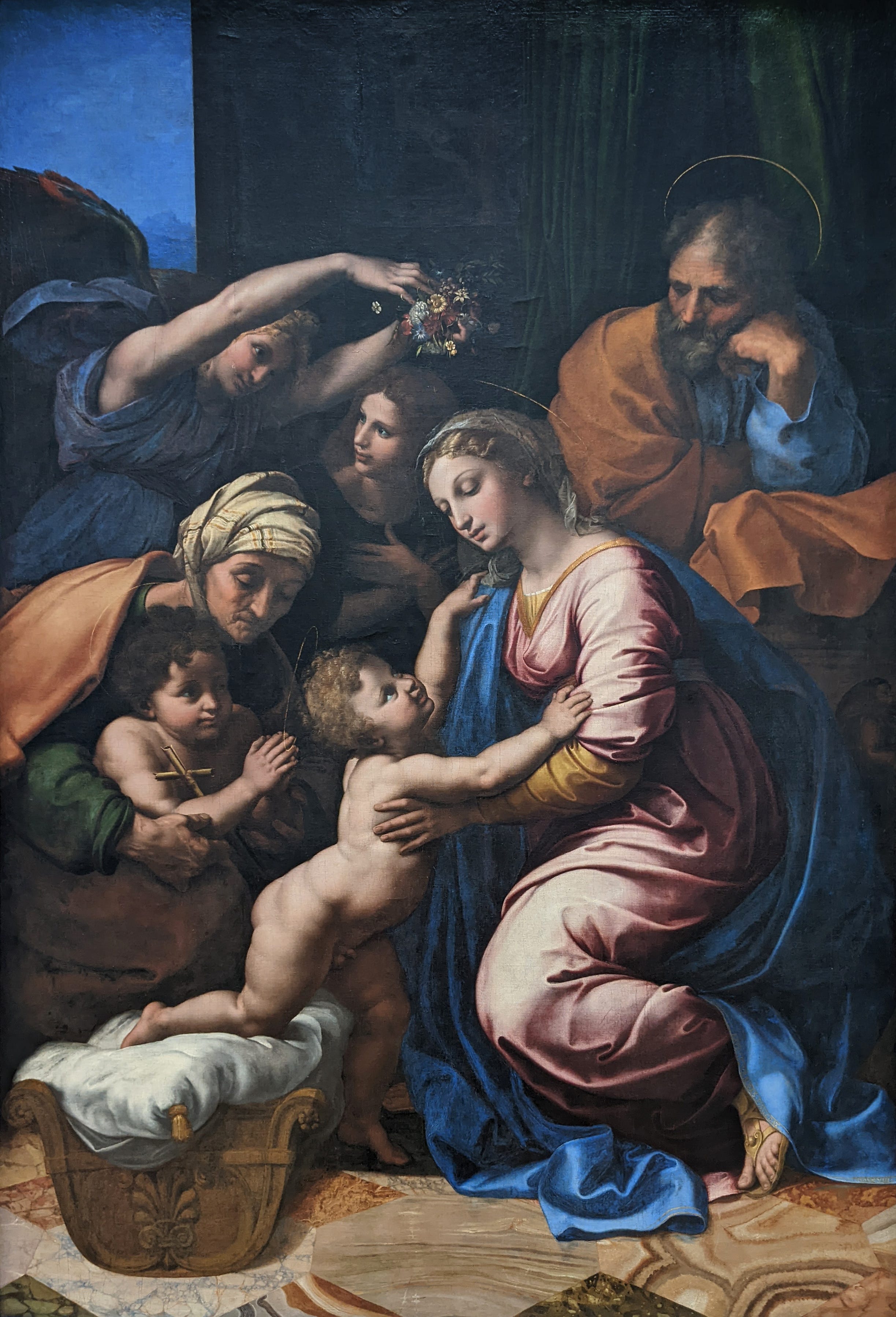
There is something bracing about the way the Feast of the Holy Family refuses to romanticize domestic life,
because the family we are given to contemplate today is not preserved behind glass but pressed into history, displaced by fear, guided by dreams that demand immediate obedience, and sustained by virtues that are learned slowly in the dark rather than proclaimed loudly in the light. Sirach speaks with earthy clarity about honor, patience, and long fidelity, not as ideals suspended above real life but as practices forged through aging bodies, faltering minds, and the daily choice to remain present when affection alone is no longer enough, and in doing so the text insists that holiness is not first discovered in extraordinary acts but in a sustained attentiveness that binds generations together over time.
The psalm deepens this vision by rooting blessing not in prosperity detached from labor, but in the fruit of one’s hands, in a table surrounded by life that grows organically rather than impressively, and in a fear of the Lord that orders desire without extinguishing joy. What emerges is not sentimentality but stability, a portrait of the household as a place where reverence becomes habitable, where faith is learned less by explanation than by repetition, and where the slow rhythms of work, prayer, and shared meals quietly echo the structure of creation itself. This is why the blessing flows outward toward Jerusalem, because the family is never sealed in on itself; it is always, at its best, a liturgical cell whose fidelity strengthens the worship of the whole people.
Paul’s letter to the Colossians draws this domestic vision explicitly into the Church’s life of prayer, insisting that the peace of Christ governs not only the sanctuary but the household, and that the word of Christ dwells richly where forgiveness is practiced, gratitude is named, and song becomes the shared language of faith. The apostle’s exhortation to sing psalms, hymns, and spiritual songs is not an aesthetic aside but a theological claim: that music belongs wherever Christ’s word is allowed to take root deeply enough to shape relationships. In this sense, the Christian home becomes an extension of the Church’s worship, a place where theology is rehearsed through tone and gesture long before it is articulated through argument.
The Gospel places this entire vision under pressure by refusing to let the Holy Family remain stationary. Joseph is asked to move repeatedly, quickly, and without public confirmation, carrying the weight of responsibility for lives more vulnerable than his own, and responding not with speeches but with obedience that unfolds across geography. Nazareth, Bethlehem, and Egyptian exile, only to return again to Israel when the Lord called, reminding us that faithfulness often looks like relocation rather than resolution, and that protection sometimes requires withdrawal rather than confrontation. The holiness of the Holy Family is therefore inseparable from displacement, a truth that resonates deeply with any ministry that has learned how fragile community can be when stability is threatened.
The Church has long reflected on this mystery not as a moral ideal imposed from above but as a theological pattern revealed from within history. Saint John Chrysostom preached that the home itself can become a “little church” when charity governs authority and humility tempers power, a vision that later finds fuller articulation in Familiaris Consortio, where Saint John Paul II describes the family as the first school of faith and the primary place where love learns to take flesh. This ecclesial understanding helps explain why sacred music cannot be confined to the sanctuary alone, because the habits of listening, harmony, and restraint that sustain liturgical prayer are first learned in the domestic sphere, where patience must outlast mood and unity must survive difference.
For music ministers and priests, the Feast of the Holy Family offers a corrective mode that is both demanding and consoling. It challenges any tendency to separate worship from ordinary life, reminding us that the quality of the Church’s song is inseparable from the quality of her relationships; and it consoles those whose ministry feels hidden or fragmented, by revealing that God’s most formative work often unfolds far from visibility. Musicam Sacram affirms that sacred music serves the unity of the faithful by giving voice to shared prayer; but the feast quietly suggests that this unity is prepared long before the first note is sung, in homes where forgiveness is practiced, authority is purified by love, and gratitude becomes a habit rather than an exception.
Perhaps this is why the Church places the Holy Family within the Christmas season rather than outside of it, as if to say that the Incarnation does not conclude at the manger but continues wherever human relationships allow God to remain near. The Holy Family does not escape danger, confusion, or loss, yet it becomes the place where the Word learns to speak, to listen, and eventually to offer Himself entirely. And for those entrusted with shaping the Church’s prayer, this feast offers a quiet but firm invitation: to let our music sound more like home, shaped by patience, warmed by fidelity, and ordered toward a peace that can endure movement, silence, and the long obedience of love.
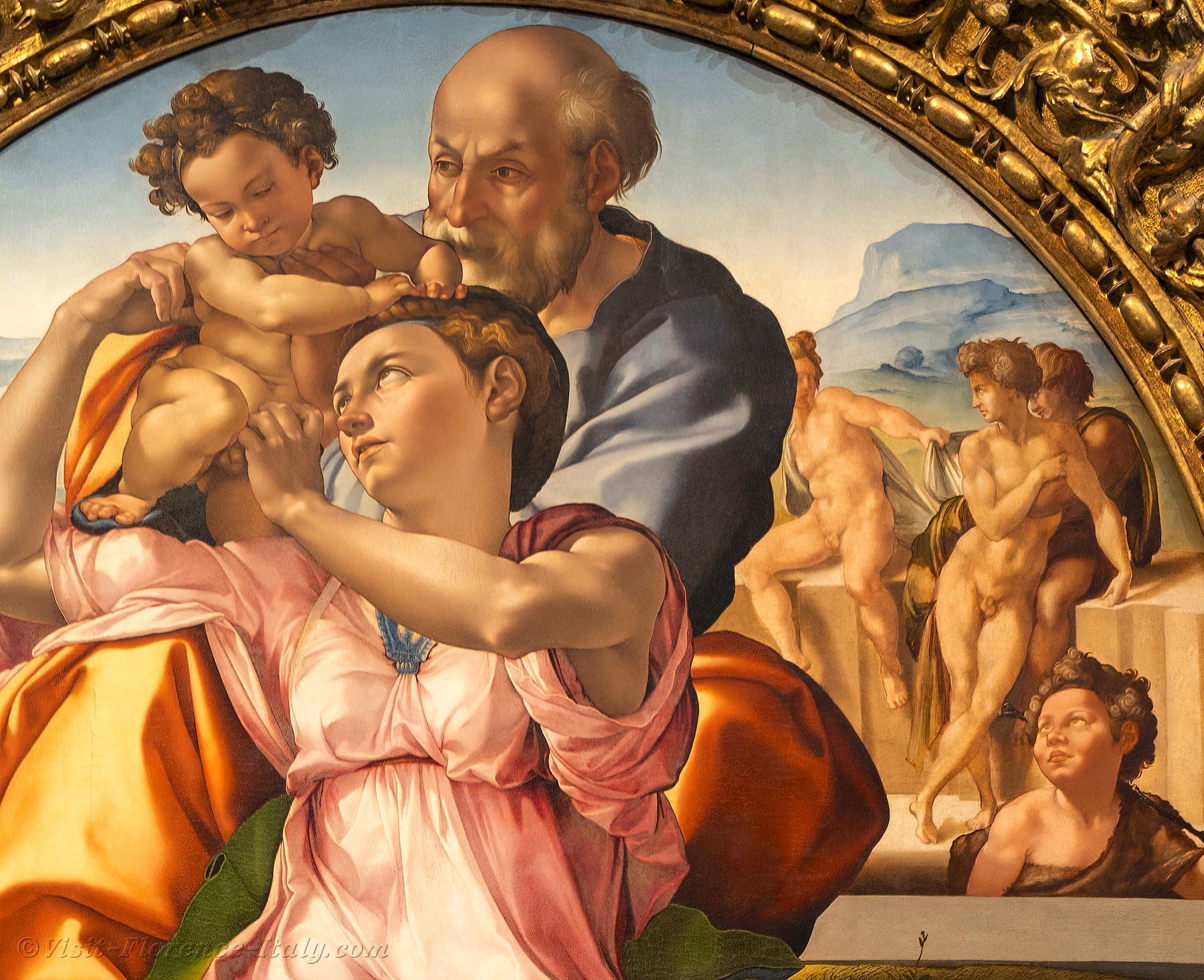
Feast Day Spotlight
Color of Vestments
WhiteLiturgical Note
The Feast of the Holy Family, celebrated within the Octave of Christmas, draws the Church’s attention to the domestic context in which the mystery of the Incarnation matured, reminding us that salvation history unfolds not only through prophecy and miracle but through daily obedience, shared labor, and mutual trust. Instituted more formally in the modern liturgical calendar in the early twentieth century, the feast emerged in response to cultural pressures that threatened the integrity of family life, offering the Holy Family as a theological anchor rather than a nostalgic image.Historical / Theological Insight
Theologically, the feast underscores the Church’s teaching that the family is a communion of persons ordered toward self-gift, a reality articulated with particular depth in Redemptoris Custos, where Saint John Paul II reflects on Saint Joseph’s silent authority as a model of protective love and faithful service. Joseph’s role reveals that leadership within the family is not measured by control but by responsiveness to God’s initiative, a principle that shapes the Church’s understanding of both pastoral and domestic authority.Why This Matters for Sacred Music
For those entrusted with the Church’s worship, the Holy Family stands as a reminder that liturgical beauty is sustained by moral and relational coherence, because the harmony we seek to express in sacred music must first be learned in the ordinary discipline of love. In honoring this feast, the Church invites her ministers not simply to admire the Holy Family, but to allow its pattern of quiet fidelity to inform the way faith is lived, taught, and sung.
Inspiration from across the internet.
→ here is another great article on the importance of the Holy Family in the life of the Church
My music of the week.
no music for this week!