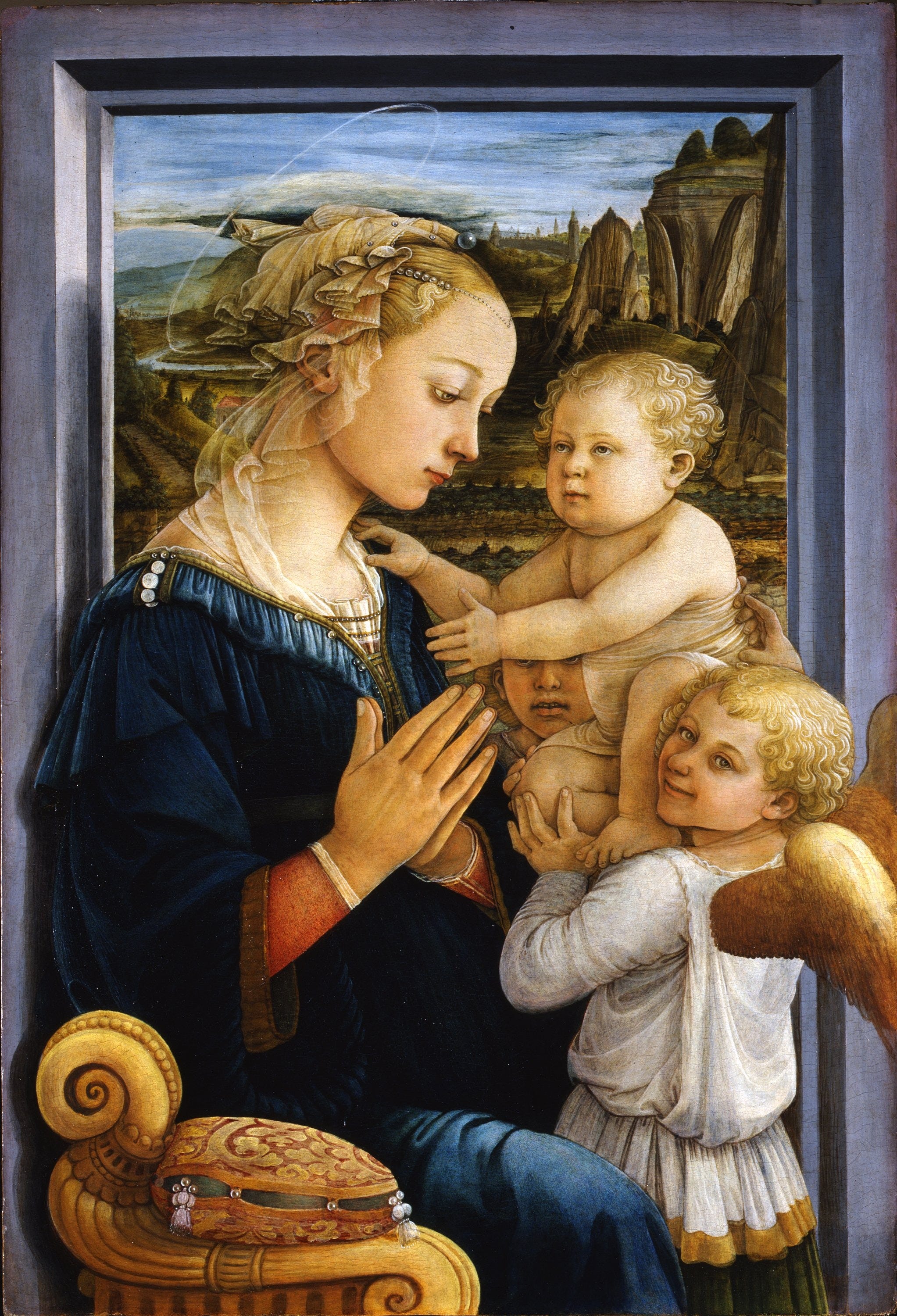
Feast of Our Lady of Guadalupe
God Still Asks for a Dwelling Place—and the Church Responds by Singing
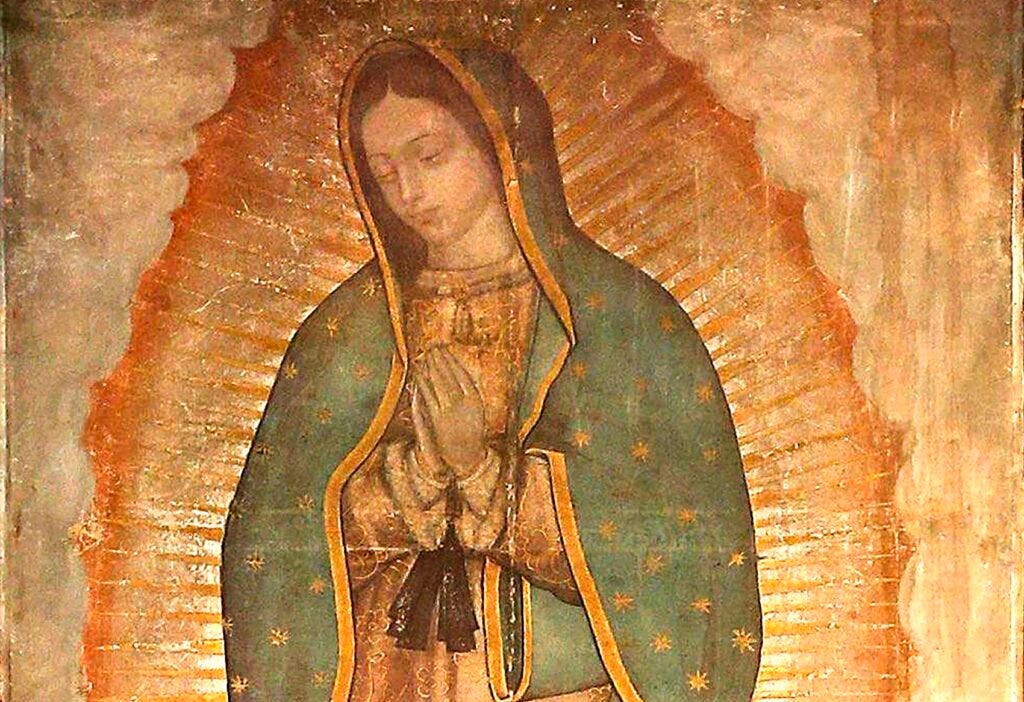
There is something profoundly unsettling—and profoundly consoling—about the way God chooses to draw near through a woman who sings
because it forces us to confront the fact that salvation does not arrive through spectacle or force, but through presence, through dwelling, through a voice that knows how to rejoice even before the fullness of meaning is visible. Zechariah’s cry, “Sing and rejoice, O daughter Zion! See, I am coming to dwell among you,” is not merely poetic encouragement; it is a declaration that God’s holiness no longer remains at a distance, guarded by walls or veils, but seeks a home among His people, a place where silence itself becomes reverent because the Lord is stirring forth from His dwelling.
This is the same mystery John sees when heaven’s temple opens and the Ark is revealed—not as an object of gold and acacia wood, but as a living woman clothed with the sun, bearing within herself the destiny of the nations. The dragon is not absent from this vision; opposition is real, violence is real, history is not sanitized for the sake of piety. And yet the child is born anyway, the woman is protected anyway, and a voice rings out in heaven announcing that salvation has already taken hold of the world, even if the world does not yet know how to receive it. What was once carried through the wilderness on poles is now carried through history in flesh and blood, and the dwelling place of God is no longer fixed to geography but entrusted to a person.
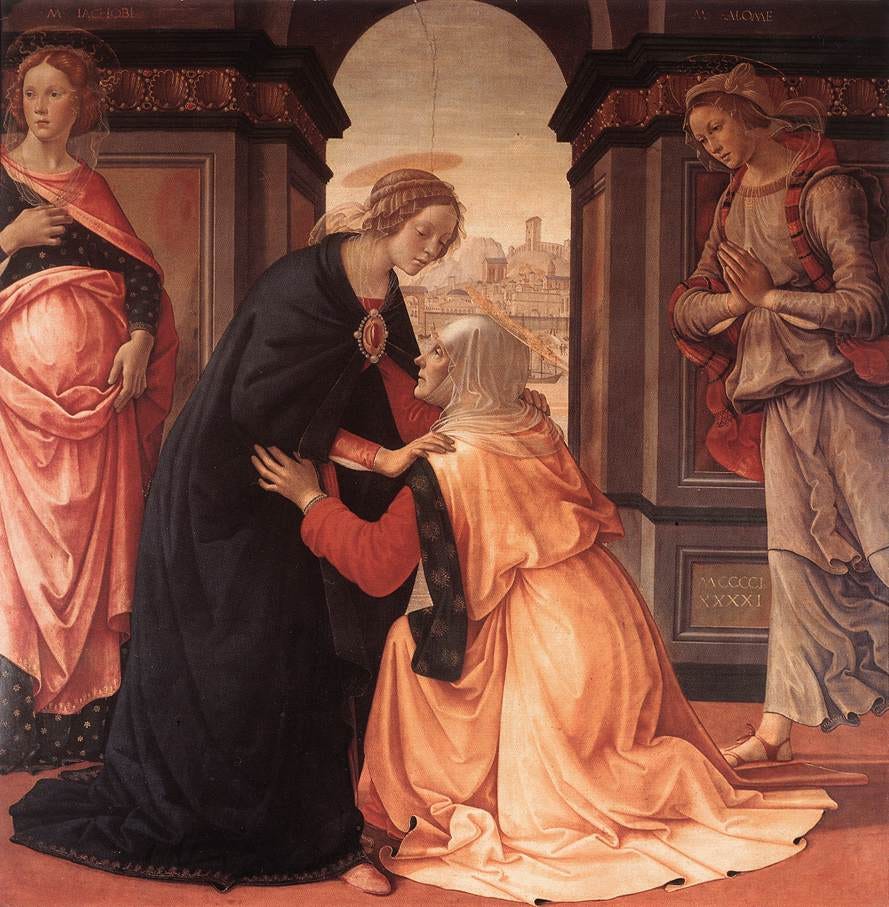
Luke’s Gospel lets us see how this dwelling begins—not in triumph, but in attentiveness. Mary does not immediately understand the greeting she receives; she ponders, she questions, she listens. The Annunciation is not a scene of passive submission, but of active consent, a moment where freedom and grace meet without rivalry. When she says, “May it be done to me according to your word,” she gives God not only permission to act, but space to dwell, to take root in human life without coercion. And when she sets out in haste to Elizabeth’s house, the Word she carries does not remain silent. Her very greeting becomes proclamation; her presence becomes music; her faith causes another voice—still unborn—to leap with joy.
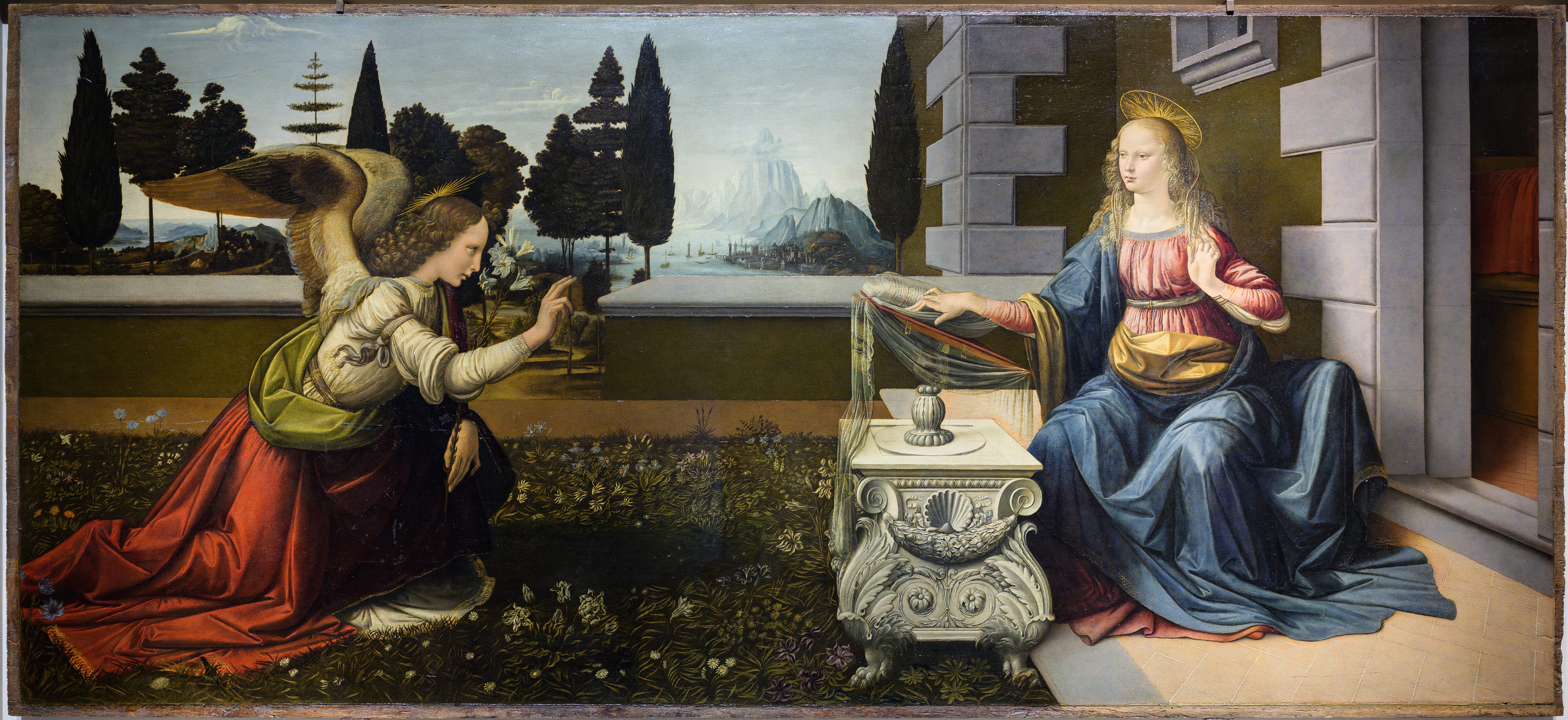
This is why the Church dares to place the Feast of Our Lady of Guadalupe within this same scriptural landscape, because Guadalupe is not simply an apparition to be admired, but a continuation of the Incarnation’s logic. On the hill of Tepeyac, Mary appears not as distant royalty, but as one who speaks in the heart-language of the people, who sings her motherhood into a wounded culture, and who asks—again—for a dwelling place, a small temple where God’s nearness can be trusted by those who have learned to fear power. The tilma bears no crown of gold, yet it radiates the same theology as Revelation’s vision: a woman clothed with light, standing over the darkness, carrying Christ not away from the world but directly into it.
For those entrusted with sacred music, this feast is both affirmation and examination. The Responsorial Psalm from Judith does not praise Mary for efficiency or visibility, but for hope that will never be forgotten, for a deed that resounds because it aligns with the might of God rather than the expectations of men. Sacred music, when it is faithful, functions in exactly this register. It does not dominate the liturgy; it dwells within it. It does not shout over silence; it learns when to let silence speak. It does not aim first to impress, but to make room—for the Word, for reverence, for the quiet confidence that God is already at work among His people.
The Church has long recognized this Marian dimension of liturgical song. St. Ambrose, whose hymns shaped the prayer of Milan and beyond, understood music as catechesis that enters the heart before it convinces the mind, insisting that what is sung is remembered differently, carried differently, believed more deeply. Centuries later, the Second Vatican Council would echo this intuition by teaching that sacred music is ordered toward the glory of God and the sanctification of the faithful (Sacrosanctum Concilium), not because it fills space, but because it helps the Church become what she already is: a dwelling place of God in the Spirit.
Our Lady of Guadalupe intensifies this truth by reminding us that the Church’s song must always be capable of translation—not dilution, but incarnation. Mary does not ask Juan Diego to import a foreign language or aesthetic; she sings Christ into his world as it is, elevating without erasing, dignifying without dominating. For music ministers and priests, this is a demanding standard. It calls for beauty without elitism, tradition without rigidity, and pastoral sensitivity without surrendering theological depth. It asks whether our music helps the people recognize that God has chosen to dwell among them, or whether it unintentionally reinforces the distance they already feel.
Perhaps this is the quiet invitation of this feast: to let our ministry resemble Mary’s own way of singing the Kingdom into being. To trust that when the Word is carried faithfully, even small voices can change history. To believe that God still asks for dwelling places—sometimes humble ones—and that every psalm, every chant, every carefully prepared hymn can become an answer. Not because it draws attention to itself, but because it allows Christ to be heard, and joy to leap, and hope to be remembered.
And when that happens, the Church does not merely sing about salvation.
She sings from inside it.
Feast Day Spotlight
Color of Vestments — White
Our Lady of Guadalupe — The Mother Who Dwells Among Her People
Celebrated on December 12, the Feast of Our Lady of Guadalupe commemorates Mary’s apparitions in 1531 to St. Juan Diego on the hill of Tepeyac, an event that would shape not only Mexican Catholicism but the evangelization of the entire Americas. At a moment of cultural upheaval, violence, and mistrust, Mary appeared not as conqueror but as mother, identifying herself as the Virgin who bears the true God and asking for a temple where He could be made known as compassionate and near.
Theologically, Guadalupe embodies the Church’s teaching on inculturation long before the term existed. St. John Paul II would later describe her as a “brilliant example of a perfectly inculturated evangelization,” where the Gospel takes flesh within a people’s language, symbols, and song without losing its integrity. This Marian logic resonates deeply with sacred music, which must always hold together fidelity and accessibility, transcendence and intimacy.
The tilma itself functions almost like a visual psalm—enduring, portable, and inexplicably preserved—testifying that when God chooses to dwell among His people, He does so in ways that can be contemplated, sung, and remembered. As Musicam Sacram reminds us, the Church’s music is meant to foster “active participation” not as noise or novelty, but as interior engagement with the mystery being celebrated. Our Lady of Guadalupe stands as a guardian of that balance, reminding the Church that when Christ is carried with humility and love, even the smallest offering can become a song the world cannot forget.
P.S. — be prepared for Mañanitas y matachines!
Inspiration from across the internet.
→ and a new song from my friends over at Canto Catolico which captures the reverence of this feast
My music of the week.
2) this is a song that I love to end Mass with on this day